Research - 19.10.2026 - 07:00
The three-year EU project OPTIME will establish the first cross-national, multi-stage evidence base to understand which models for reducing working hours are feasible, inclusive and sustainable, where they work and under what conditions.
OPTIME stands for “Opportunities for Time in Employment, Environment, and Equality”. The project is funded by the European Union’s Horizon Europe programme under grant agreement 101289891, with an EU contribution of €3,365,173.80. It runs from 1 October 2026 to 30 September 2029. The research consortium comprises the University of St.Gallen (coordinator), Tallinn University of Technology, BehaviourDoc, Panteion University, the Vrije Universiteit Brussel, the Luxembourg Institute for Socio-Economic Research, the Centre for Social Innovation, Chalmers University of Technology and the University of Sussex.
Led by the University of St.Gallen, the project will bring together insights on employees, organisations and national systems. Using a comparative approach, it will examine how a scheme to reduce working hours can lead to different results across different countries, sectors and workplaces, as well as under different living circumstances.
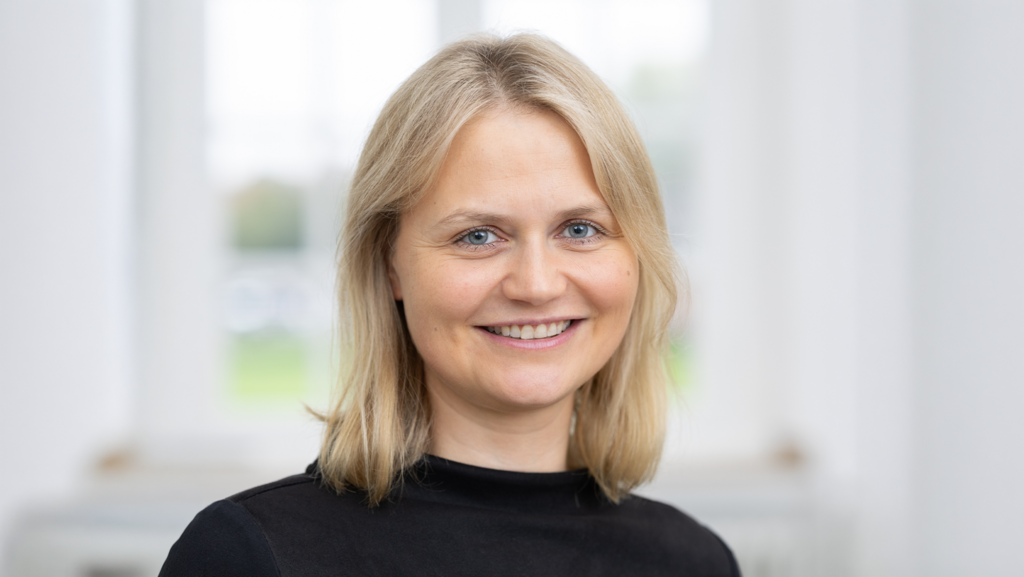
“A four-day week is one way of reducing working hours, but it is not a one-size-fits-all solution,” said Julia Backmann, OPTIME coordinator and professor of Leadership & Transformation of Work at the University of St.Gallen. “Employers and policymakers need to understand which models are feasible in their respective circumstances and what needs to change for them to work. OPTIME will compare different working models and examine the conditions underlying their results, including the obstacles and opportunities.”
The research is structured around four research questions:
Which model?
A comparison of different approaches to reducing total working hours, including the four-day week and shorter working days.
Where?
An investigation into how national institutions, sector-specific requirements and organisational frameworks influence feasibility and sustainability.
For whom?
Examination of different groups of workers and life circumstances, with particular attention to groups that are under-represented in existing research, including women, carers, older workers, migrants, people with disabilities and neurodivergent workers.
Under what conditions?
Identifying the barriers, enabling factors, incentives and risks that influence the success of a model, including the ways in which organisations are redesigning work and utilising digital technologies.
The researchers will combine new workplace pilot projects with existing experimental data, historical working time reforms and online experiments. As part of a dedicated study across ten countries, employers, employee representatives and policymakers will also be surveyed on what enables or hinders a reduction in working hours in their context, and what would make it feasible. Surveys, interviews, time-use diaries and health measurements will link changes in the workplace to life outside work. The results will cover workers’ health, organisational performance, gender equality and inclusion, as well as commuting, energy consumption and other environmental impacts.
Over the next three years, OPTIME will work with employers, employees, trade unions, policymakers and social partners to translate the results into practical implementation tools, policy recommendations and scenarios for the future of working time.