Campus - 08.05.2026 - 19:45
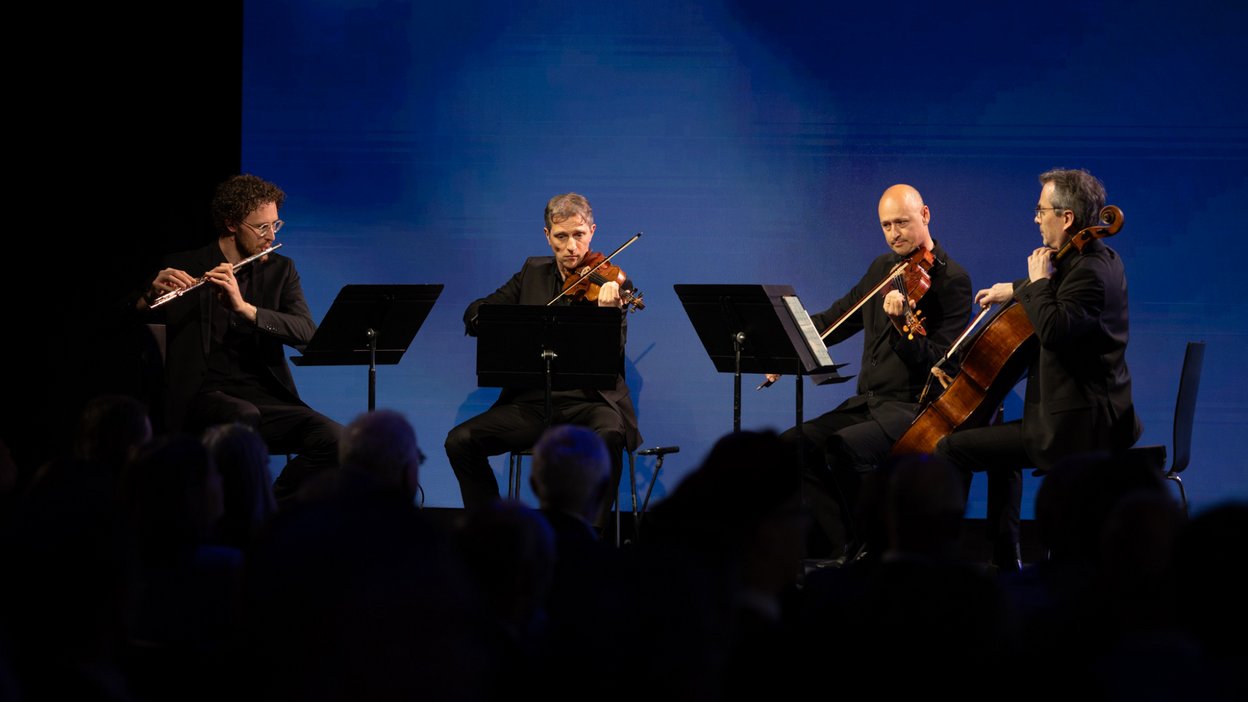
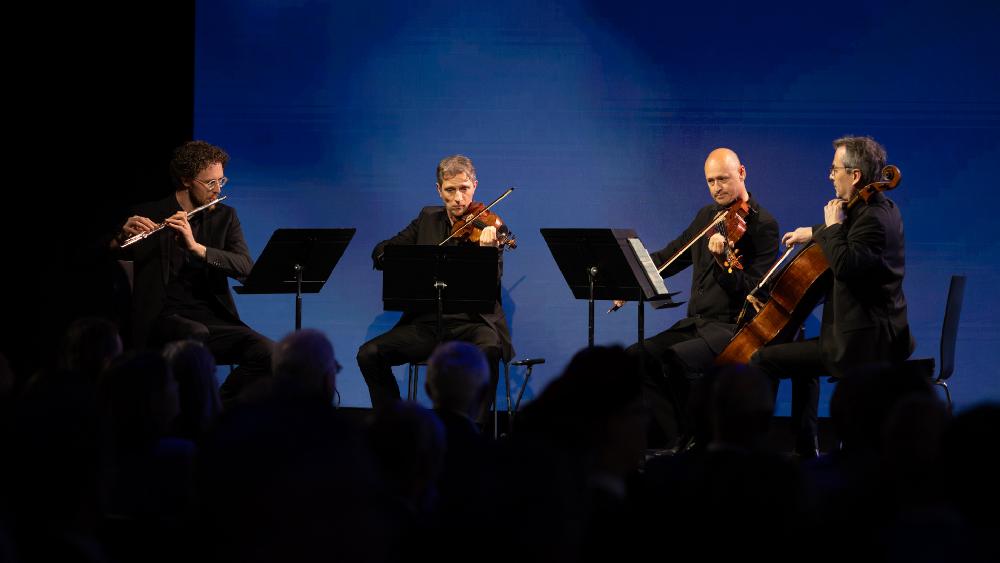
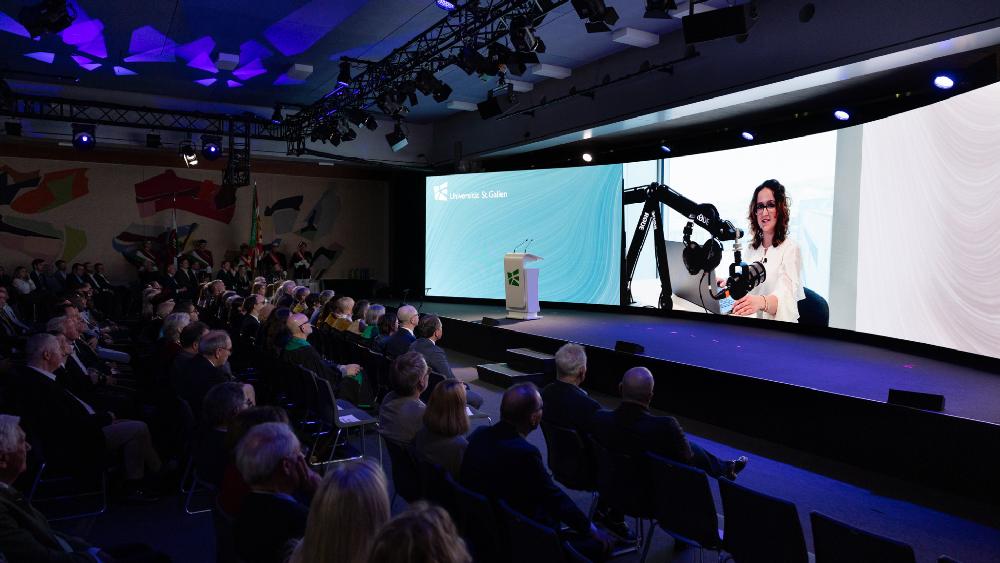
Just a few steps from the auditorium on the University of St.Gallen (HSG) campus lies Kirchhoferpark. A place that moved from the periphery to the centre during this “Dies academicus”. The Franco-Swiss composer and conductor Stéphane Fromageot, who has been music director and head of Studies at the Theater St.Gallen since 1998, allowed the guests to hear what they usually only see: the first signs of green, the play of light amongst the giant trees, the silence of the natural spectacle that is part of the campus and yet a world unto itself.
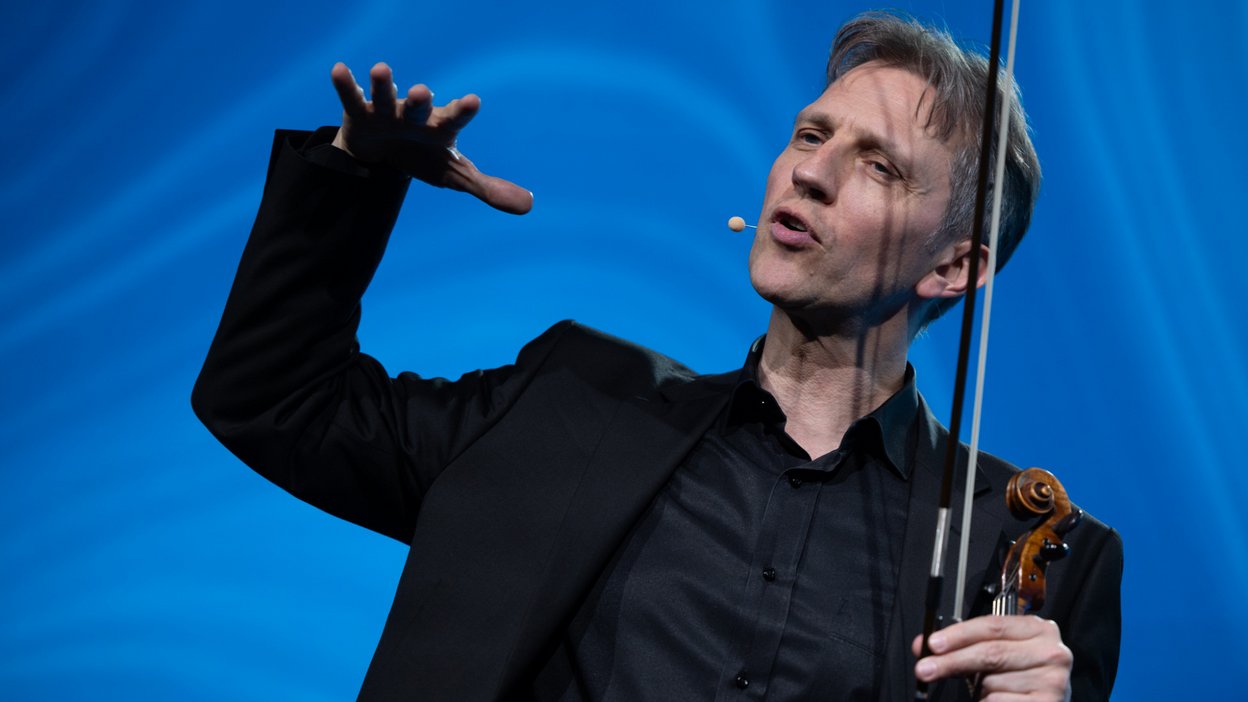
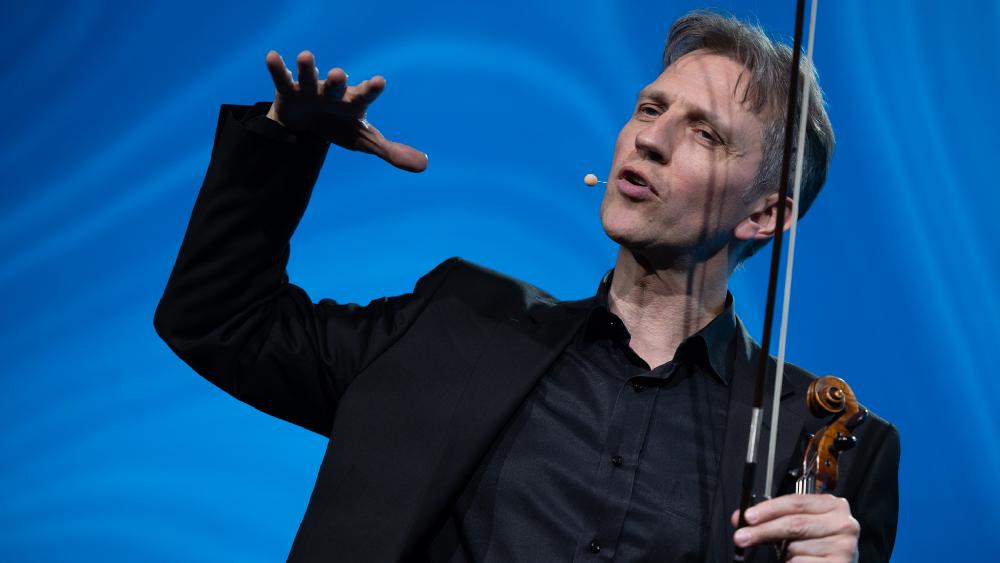
“Stéphane Fromageot wrote the piece ‘Promenade’ especially for this festive occasion and performed it here today for the first time with his musicians,” said President Manuel Ammann. What makes the melodies so special is the triad “B-E-G”, (E-flat major) which appears three times in the composition – at the beginning, in the middle and at the end. The world premiere was accompanied by a huge video projection. It repeatedly switched to a bird’s-eye view, accompanied by the chirping of birds in the park. “The audience flies, as it were, over the university like a swallow into the future,” said Stéphane Fromageot.
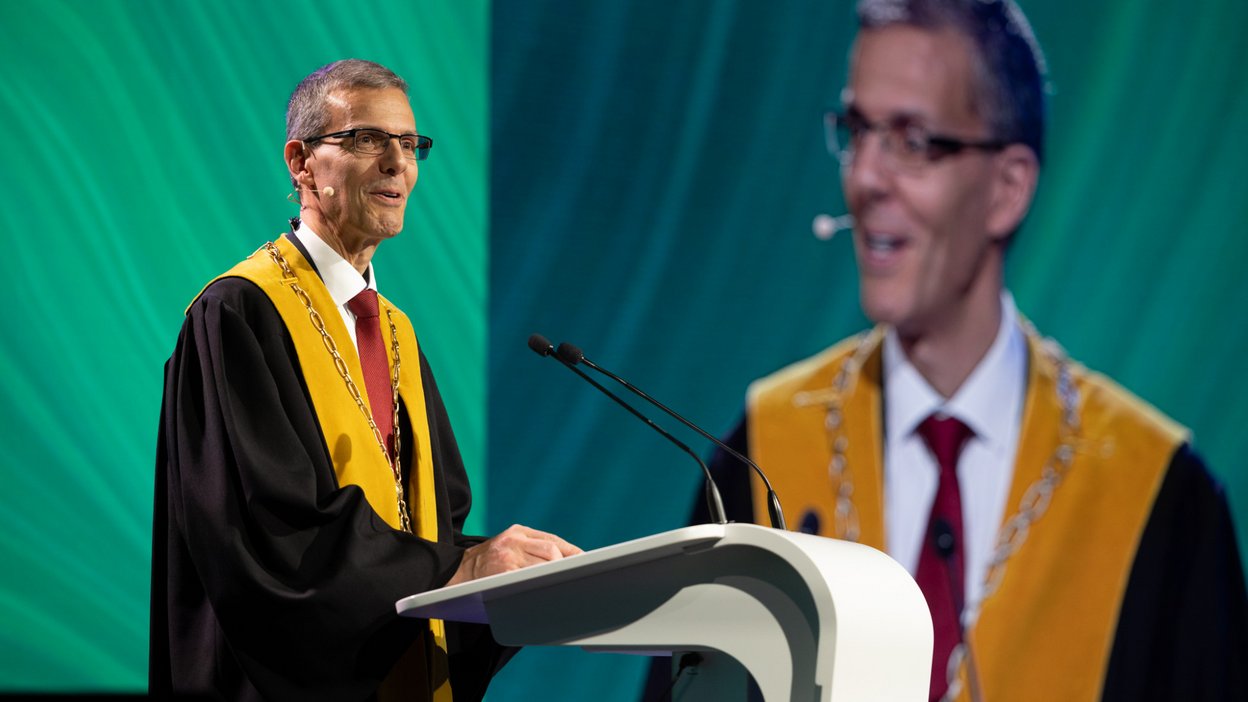
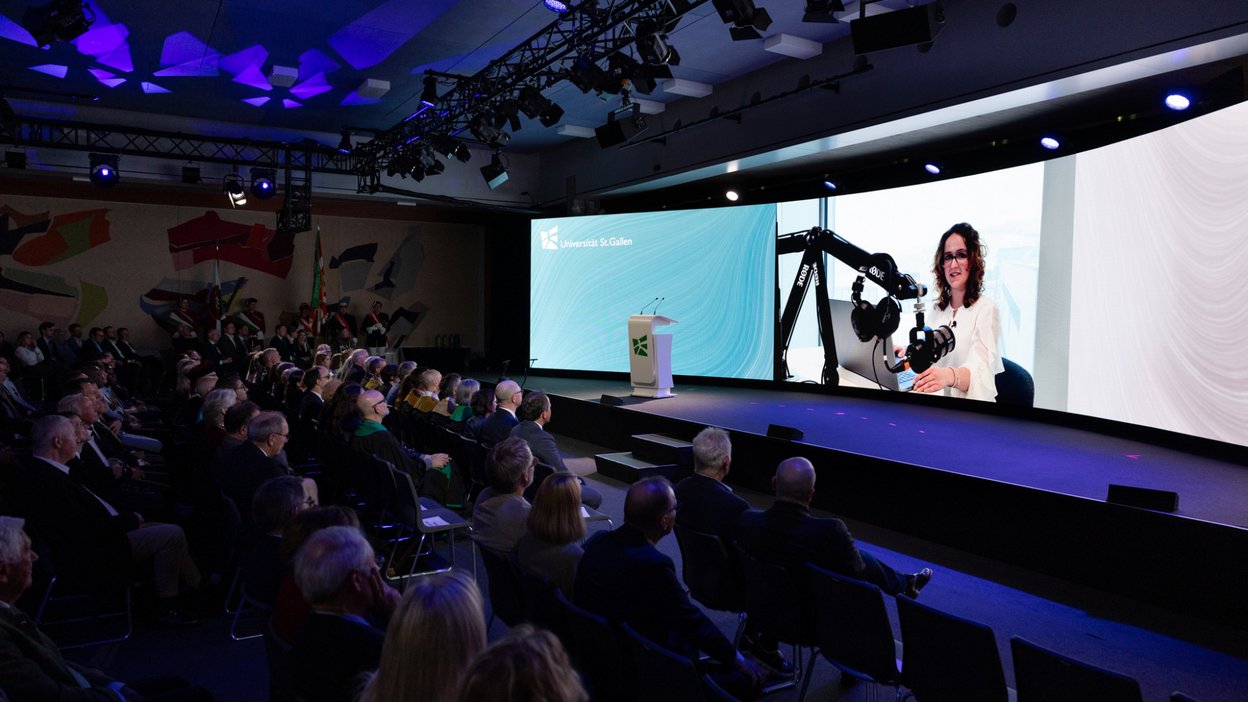
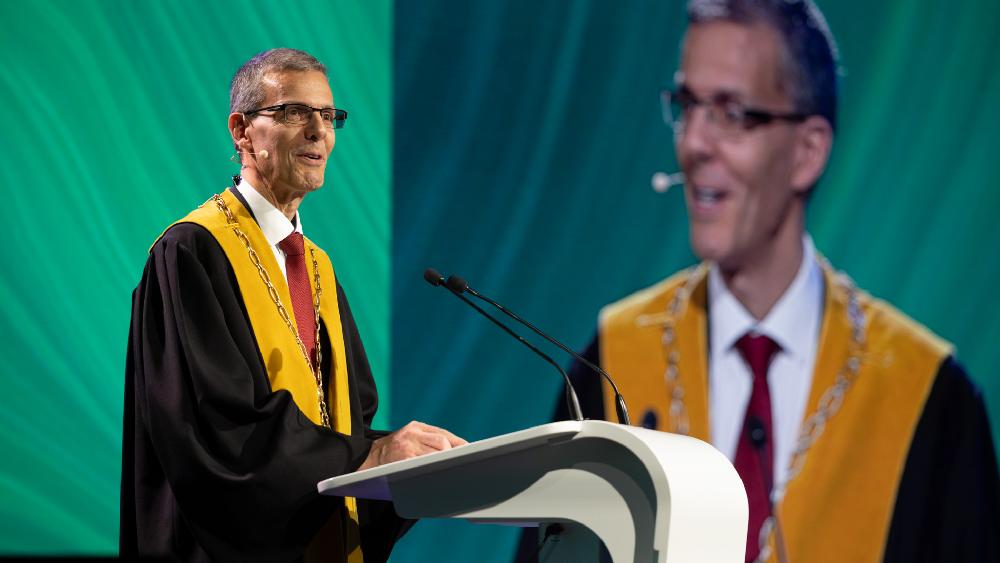
In his ceremonial address, HSG President Manuel Ammann addressed global upheavals and Switzerland's sovereignty. “We live in the most productive, interconnected and technologically powerful civilisation in human history. And yet – or perhaps precisely because of this – we are more dependent than ever before. Sovereignty in the 21st century is multifaceted, dynamic and deeply embedded in global economic and technological interdependencies,” he explained.
For a small country like Switzerland, however, the demand for maximum sovereignty would mean abandoning the model of an open economy and foregoing the benefits of the international division of labour in many areas. Europe boasts excellent technical universities and a high standard of education. What is therefore crucial is something else: the ability to translate this knowledge into value creation, according to Ammann. For instance, through framework conditions that foster innovation.
HSG sees itself as part of this programme. It ranks among the universities with the highest number of start-ups in the German-speaking world – with over 800 new companies established over a 10-year period. Economic strength and innovation power, the President noted, are important prerequisite for sovereignty.
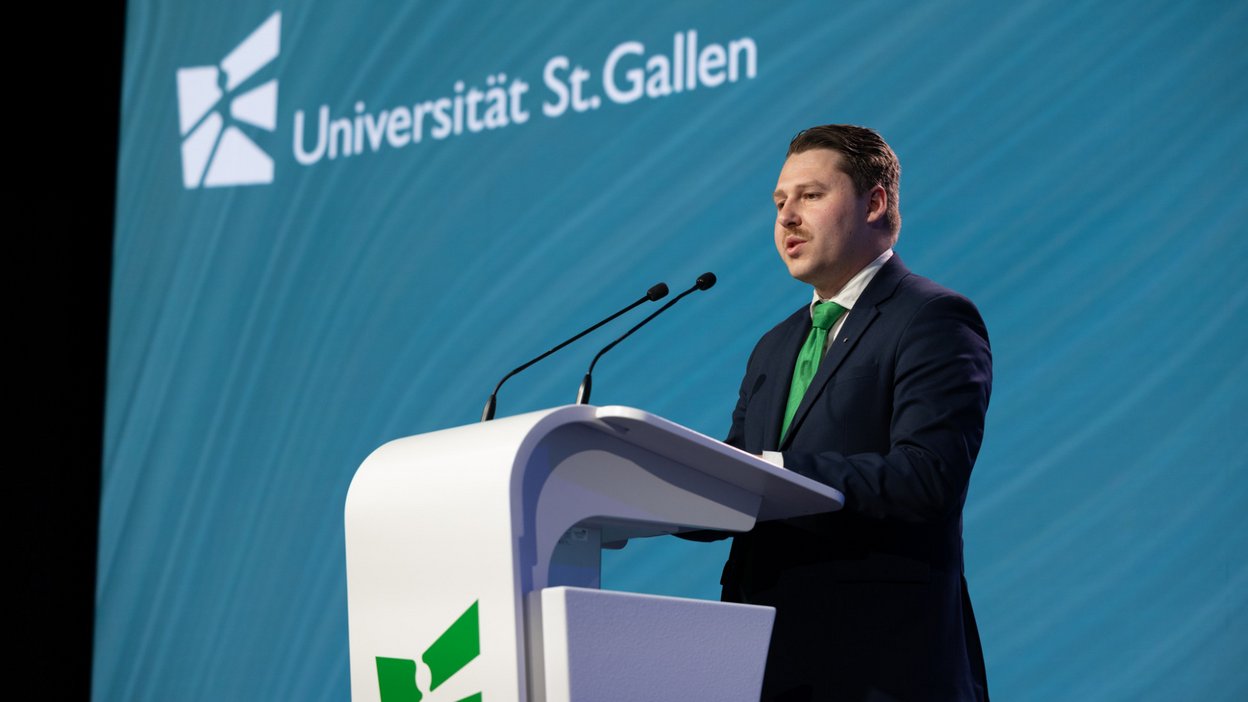
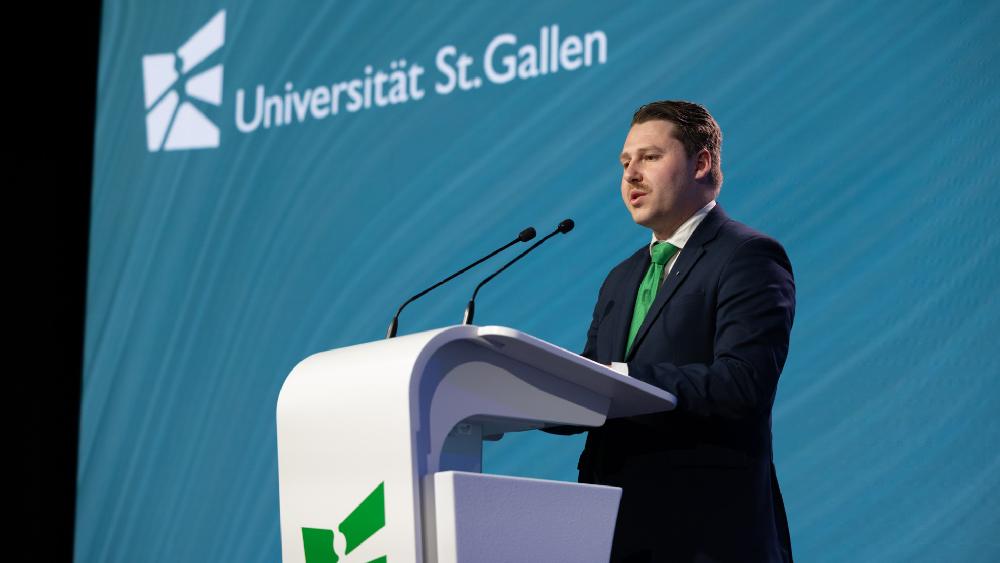
Leonardo Moser, president of the Student Union (SHSG) and a native of Thun, used FC Thun’s Swiss championship title as the theme for his speech. “As I’ve been reflecting on student life and student engagement over the past few weeks, it struck me: I’ve experienced first-hand what makes FC Thun special. Not on the pitch. But in the corridors of this university,” said Leonardo Moser: mutual trust, team spirit, a clear strategy and resilience are not just football terms. They are principles that also apply to the university community. “I, too, was a player for a year and was able to play an active part in and help shape the university. I wasn’t alone in this; I was part of a great team,” said Leonardo Moser, expressing his gratitude to his team.
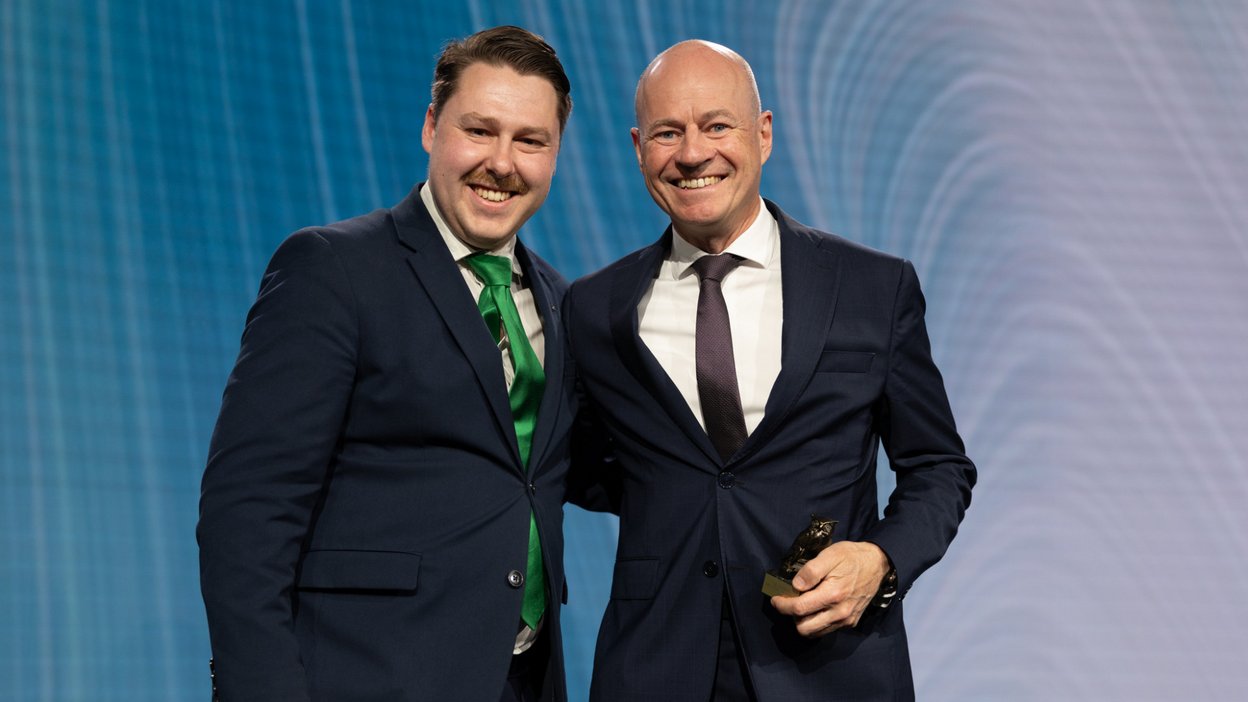
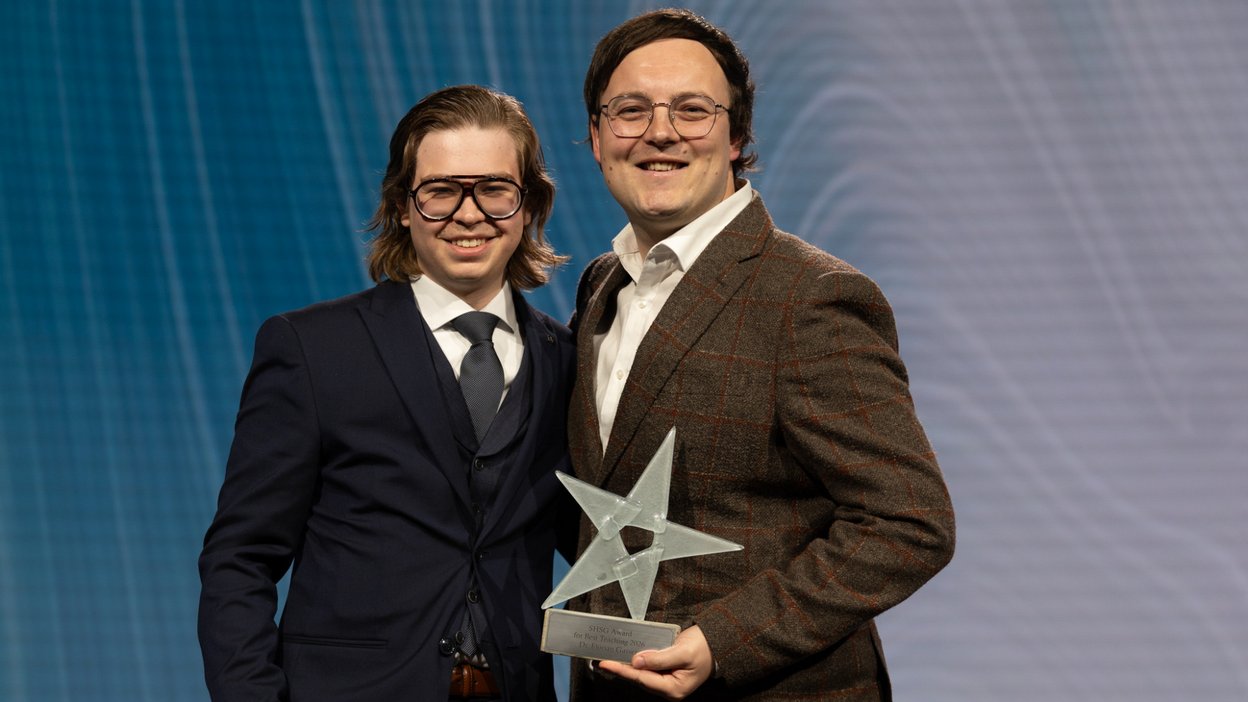
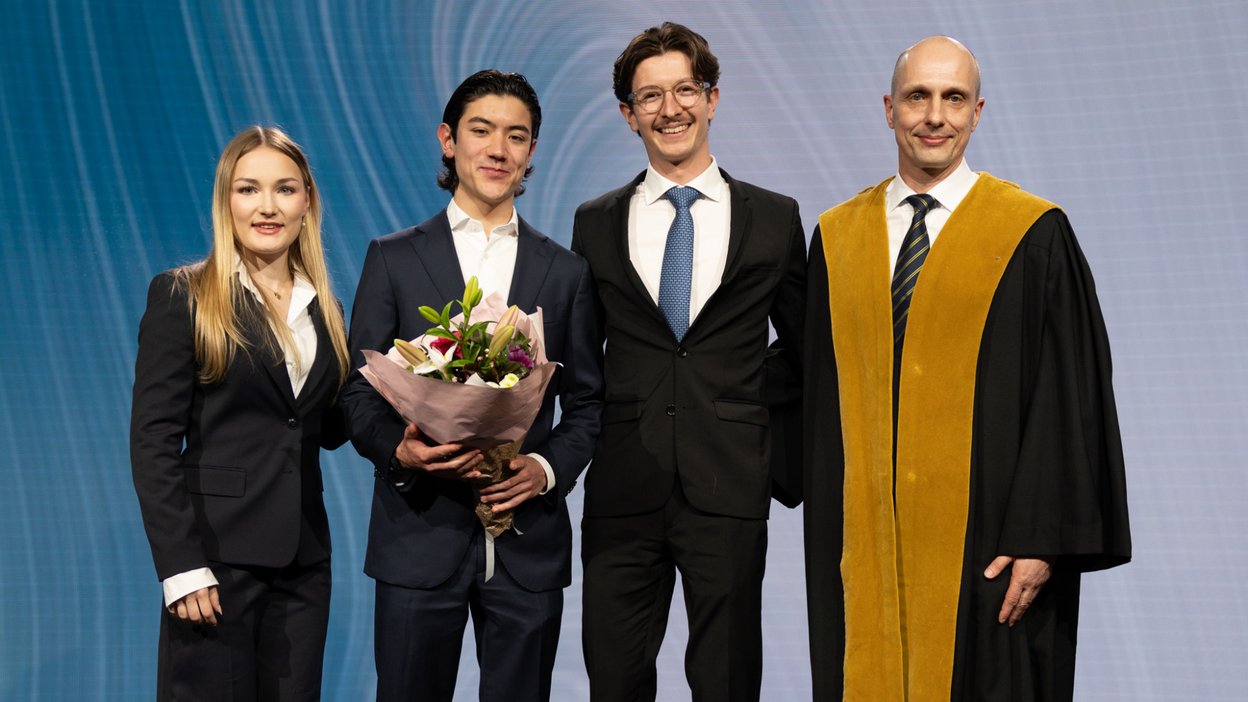
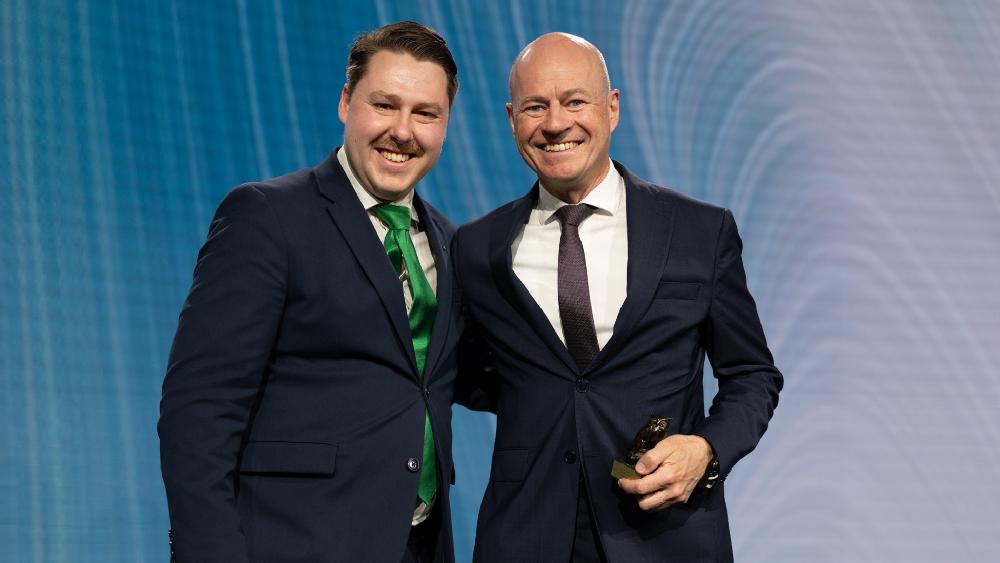
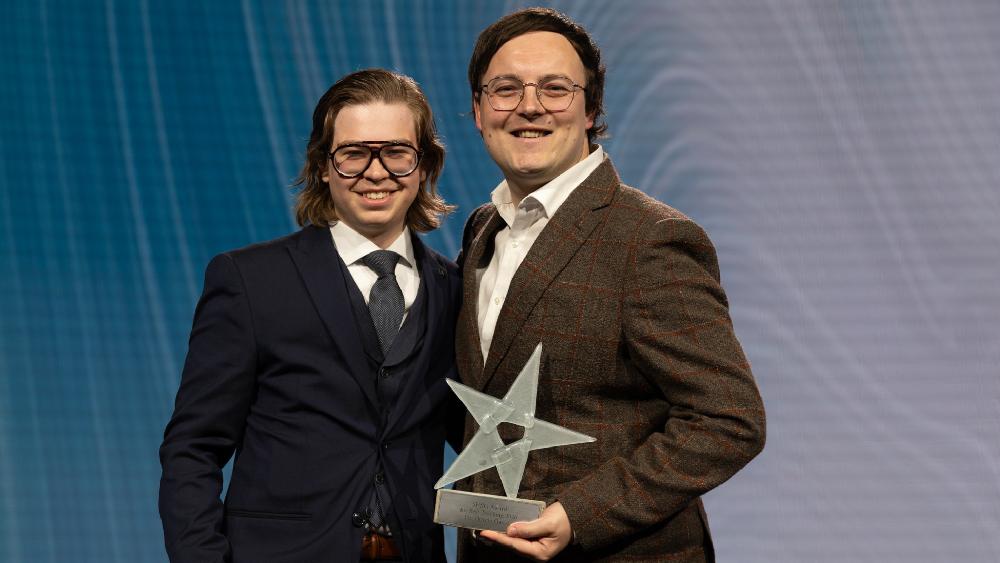
The above-average level of student engagement in societies and initiatives is a particular hallmark of HSG. This year, the student body honoured Dr Bruno Henser, who was associated with the university and its students for nine years as director of administration, with the “Mentor Prize”. Dr Florian Gasser was named best lecturer with the “Teaching Award” and receives a star in the “Hall of Teaching Fame”. The SHSG presented the “Student Engagement Award” to the student association “PIECES”, which has set itself the goal of transforming the educational landscape in developing countries. Through initiatives on campus, they bring people from different backgrounds together.
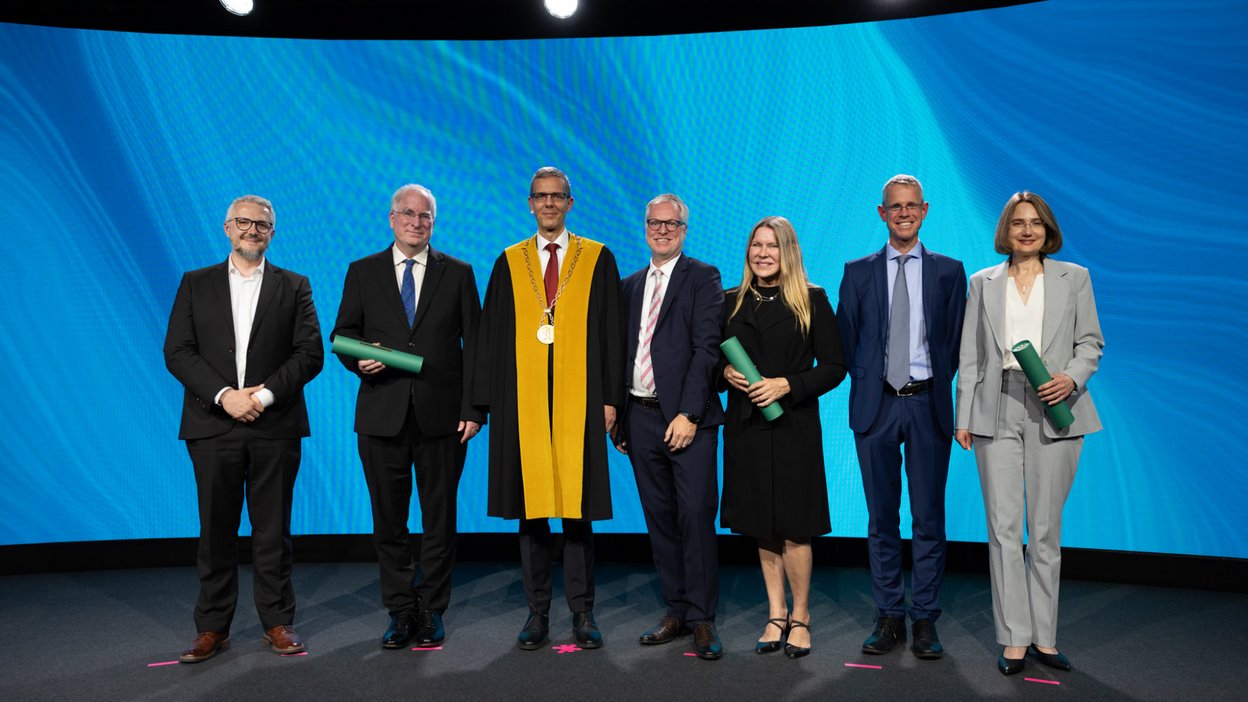
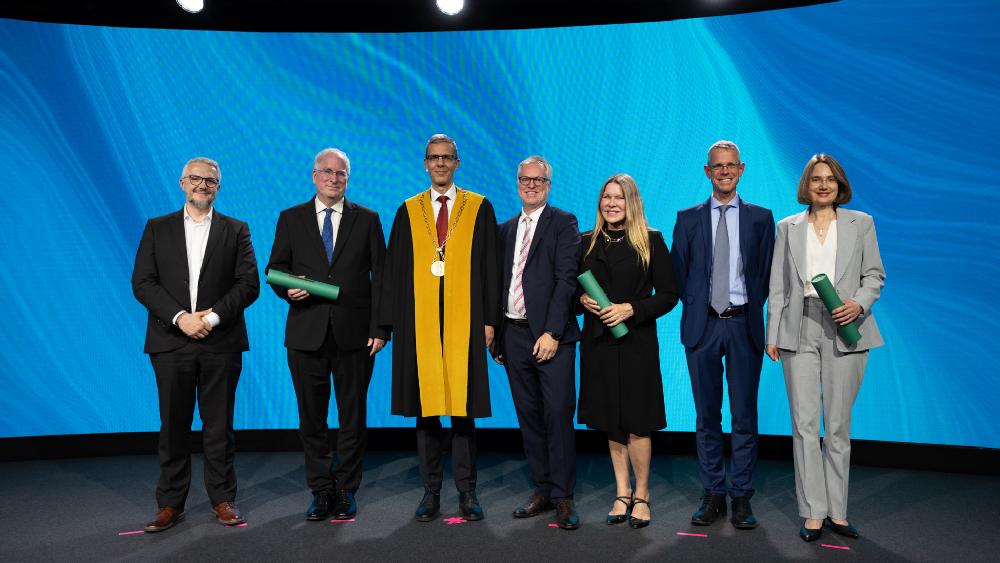
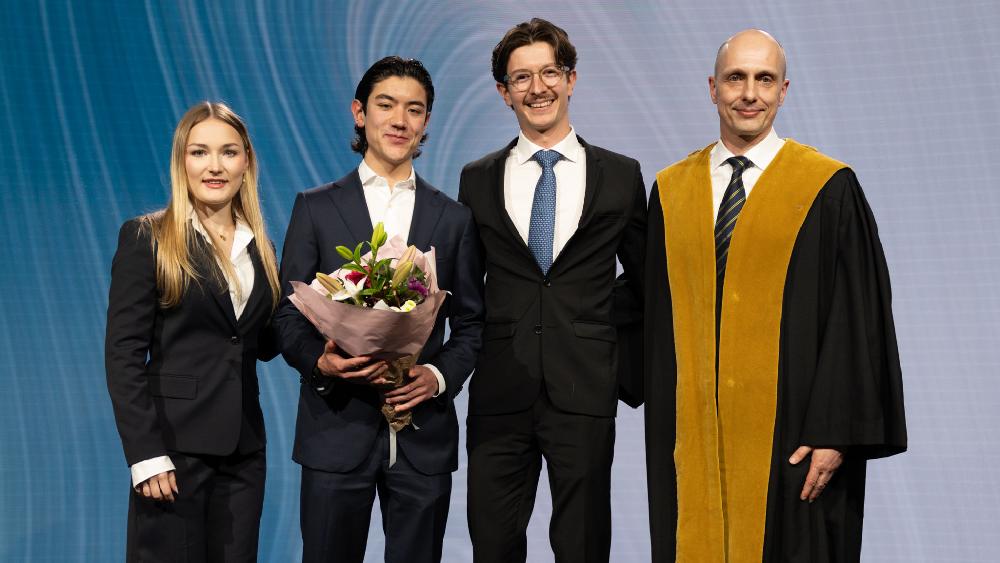
Since 1949, distinguished individuals have been honoured with honorary doctorates for their achievements. In 2026, this distinction was awarded to the following individuals:
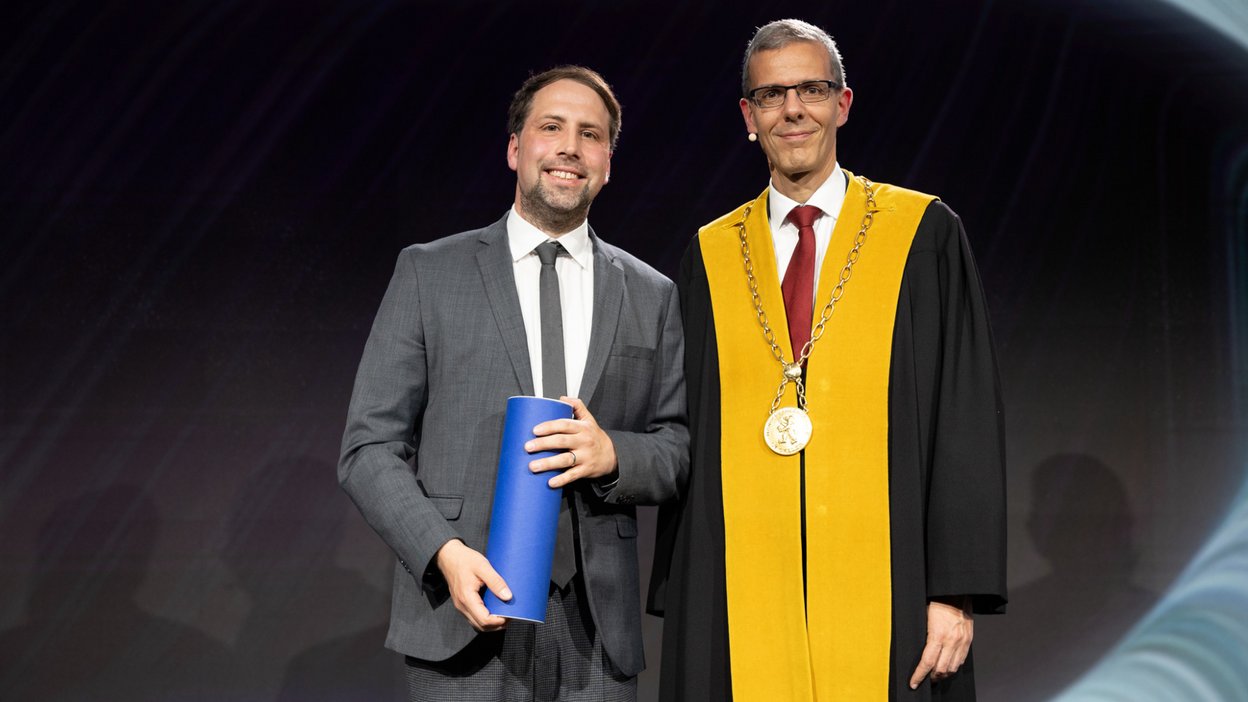
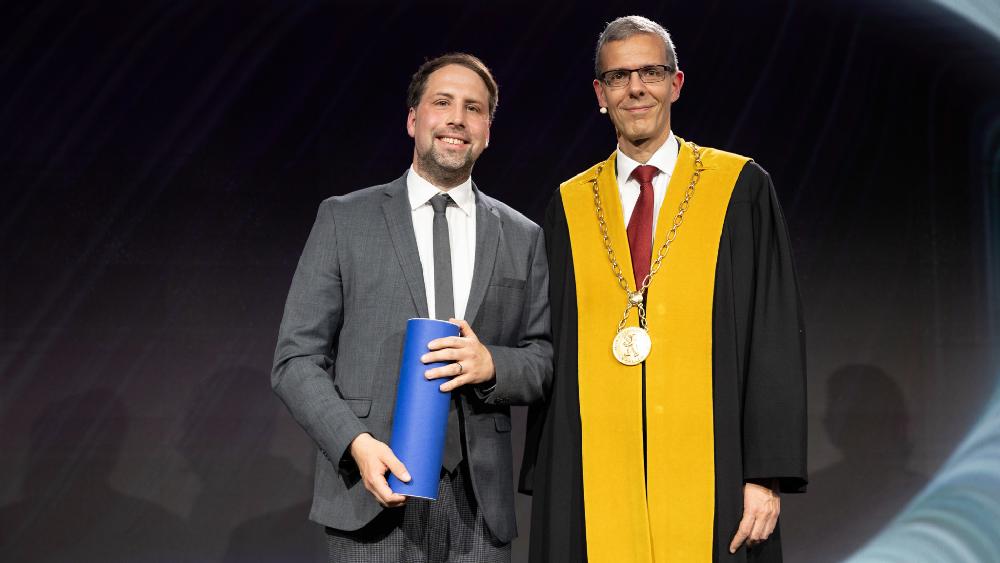
The Foundation Latsis Internationale honours early-career researchers annually at selected universities in Switzerland. This year, the “Latsis Prize” goes to Prof. Dr Tobias Ebert, an expert in the interdisciplinary field of behavioural sciences. In his research, he explores the psychological impact of places.
“In our ‘Strategic Plan 2030’, the slogan ‘From insight to impact’ encapsulates the University of St.Gallen’s promise: we make an impact through excellent research,” said Manuel Ammann. The Impact Awards are an expression of this conviction. This year, the following researchers were honoured:
Further information on the anniversary celebrations: hsg.ch/dies
Images: Hannes Thalmann