Research - 10.06.2026 - 14:00
In the past two decades, Switzerland has emerged as one of the world’s most important hub in the trade of commodities. But its rise has been accompanied by concerns about transparency, appropriate regulation, and risks to developing countries.
In a follow-up to a 2016 report and as the most comprehensive scientific review to date, the report “Beyond the transaction: commodity trade and sustainable development” conducted by the Swiss Academy of Sciences (SCNAT), the ETH Zurich NADEL Center for Development and Cooperation, along with research from HSG Professors Rita Kesselring, Martin Nerlinger, and Florian Wettstein was presented at a media conference in Bern on 10 June, 2026.
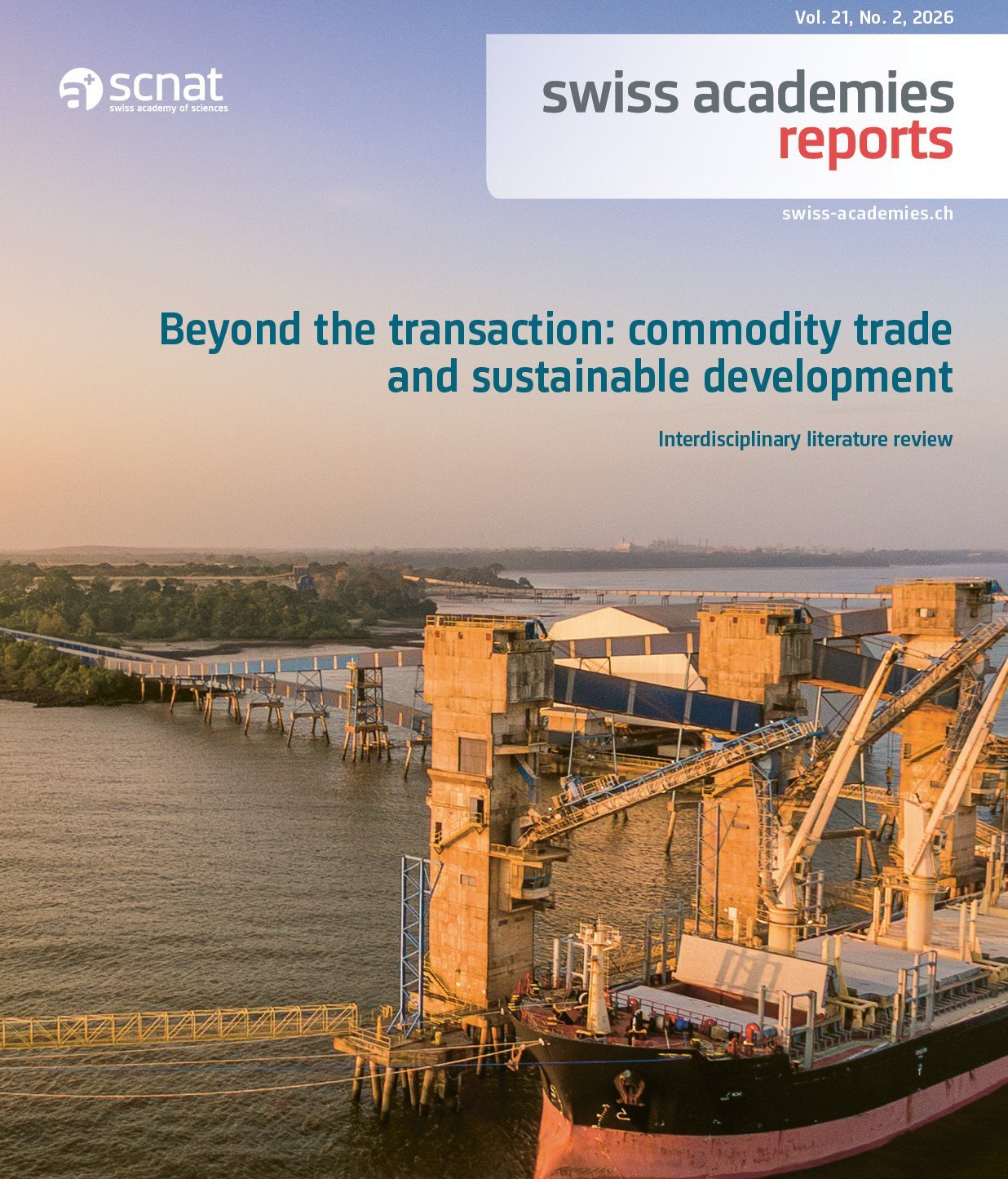
The interdisciplinary review takes stock of research into commodity trading and global sustainable development across academic disciplines and presents evidence on the direct and indirect interactions between commodity trading and the global Sustainable Development Goals (SDGs) and how these interactions impact the achievement of the SDGs.
The exchange of commodities, primarily energy, agricultural and metal products, represents 1/3 of all global trade. The report estimates that along with significant economic opportunities, around one-third of endangered species are affected and roughly one-quarter of global freshwater is used for their production and trade.
This report offers recommendations of how Switzerland can make the sector more sustainable and transparent. It also looks at what harmful effects commodity trading has on resource-exporting, developing nations. These include aspects like political corruption, environmental damage, and human rights violations.

Professor of Urban Studies Rita Kesselring examined the effects of the global commodity trade on resource-rich countries in the global South. She examined both qualitative and quantitative data and saw that there is clearly a connection between resource extraction and the rise of inequalities and social conflicts. She stated that, “increased economic disparities and social conflicts can be seen along the value and production chains and logistics networks which are equally controlled by Western and Swiss trading houses.” Kesselring’s research extends to Swiss urban settings where she examined similar processes of stratification and segregation. Against such clear evidence, Kesselring sees the necessity of unambiguous and enforceable ESG standards along the entire value.
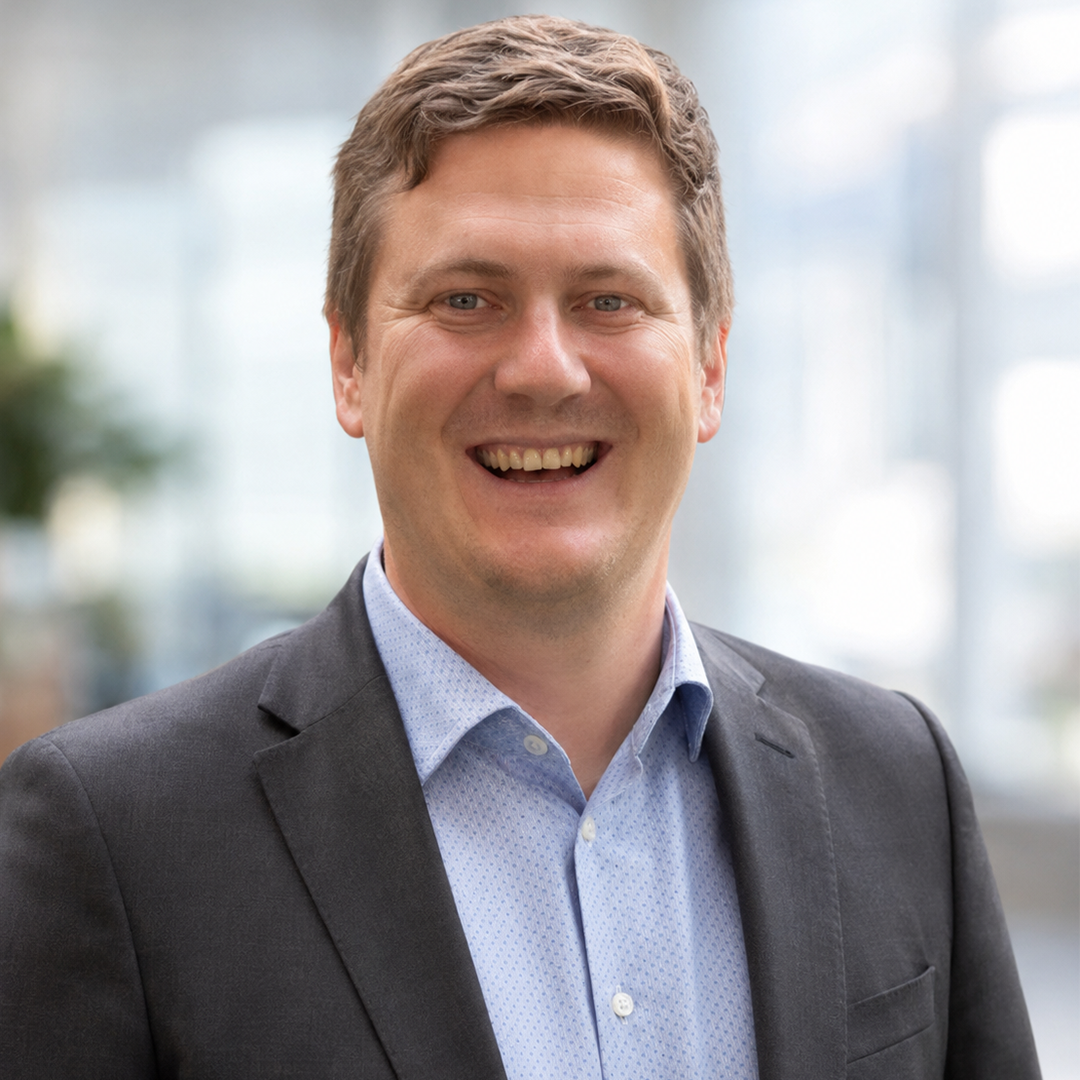
Martin Nerlinger, a professor of Finance specialized on how climate, biodiversity, and other sustainability risks are priced and transmitted in financial markets. He examined the financialization of commodity trading: how commodities have become an asset class in their own right, and how movements in financial markets are transmitted into the real prices of food and energy. "At some of the largest trading houses, the bulk of revenue now comes from derivatives rather than the physical movement of goods. These financialised firms have become systemically relevant yet remain only partially regulated." And as for Switzerland as a hub he stated that, “as a global commodity trading hub, Switzerland concentrates the very channels through which financial stress can spill over into physical trade — which is exactly why it can act as a catalyst for more coherent, internationally coordinated standards."

Professor of Business Ethics Florian Wettstein focused on whether and how commodity trading firms are adapting to a changing environment and expectations through responsible business conduct. “Traditionally,” he stated, “the focus was on upstream and downstream players. Only recently, the focus has started to shift toward commodity traders, which are occupying key positions in many value chains and could thus have significant influence in advancing sustainability in the global economy.” However, despite recent improvements, Wettstein sees that both company-level initiatives as well as regulatory frameworks in this regard remain fragmented.
Within this global system, Switzerland is an important player. As a major commodity trading hub, Switzerland handles significant percentage of global trade in metals, energy, and agricultural goods. It handles around 60% of the global copper, aluminum and iron ore trade, 56% of the trade in vegetable oils, 53% of the coffee trade and 39% of the crude oil trade. In addition, its regulatory environment, financial services, and logistics infrastructure makes it central to the global commodity system.
The key policy challenge is therefore not to reduce trade, but to improve governance. More coherent international regulation, improved transparency, and better coordination across trading hubs are essential to reducing systemic risks while aligning commodity markets more closely with sustainable development goals.
Download the study "Beyond the transaction: commodity trade and sustainable development"
Weitere Beiträge aus der gleichen Kategorie
Das könnte Sie auch interessieren