Campus - 10.11.2026 - 14:35
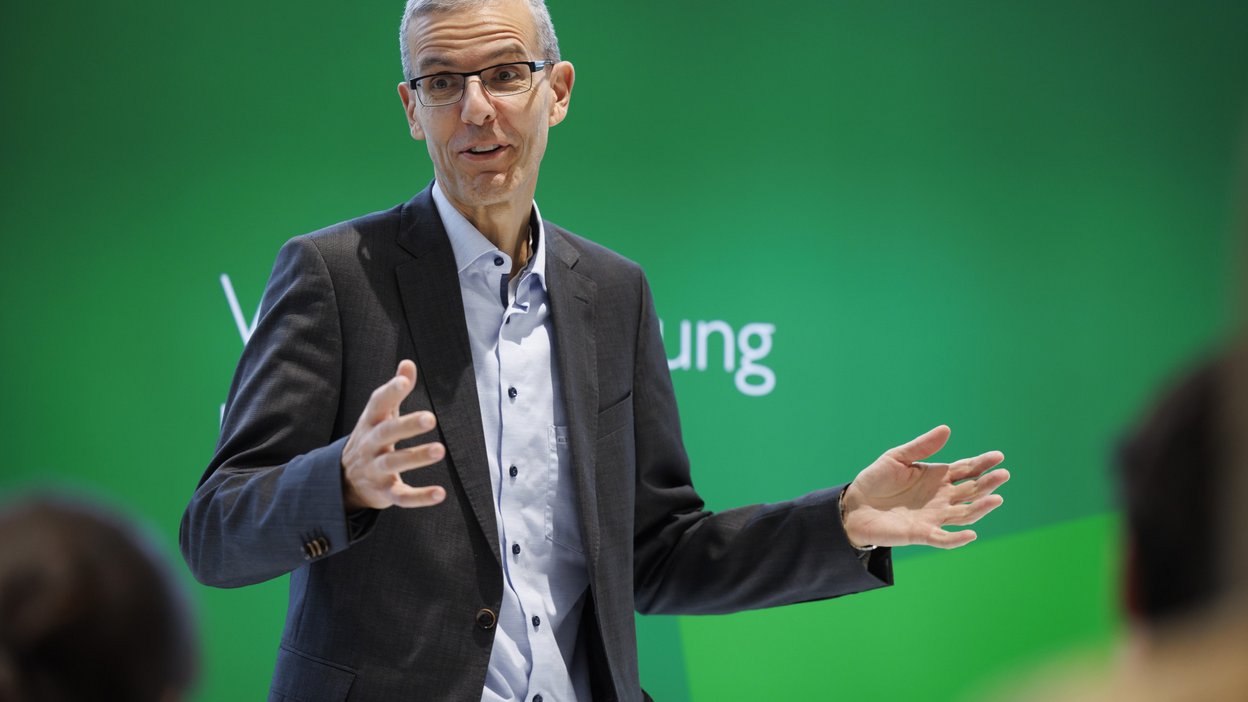
In line with "Leading and competing in a geopolitically fragmented world," one of the three new focus areas at HSG and shortly after the opening of the "Center for Geopolitics and Corporate Strategy," geopolitics was also the central theme of the second edition of “CEO to Campus” on 11 November. Following its successful launch in 2025, approximately 60 top executives once again accepted the invitation from the University, the HSG Foundation, and the Executive School to meet at SQUARE and exchange ideas with like-minded peers in a trusting environment. They were welcomed by Professor Karolin Frankenberger, dean of the Executive School, and Claudia Süssmuth Dyckerhoff, vice chair, Lonza Group, and Clariant board member. They highlighted the increasing pace of global change and the difficulties decision-makers face when dealing with events that occur in a random and erratic way. "What we experience goes way beyond scenario planning", Claudia Süssmuth Dyckerhoff said.
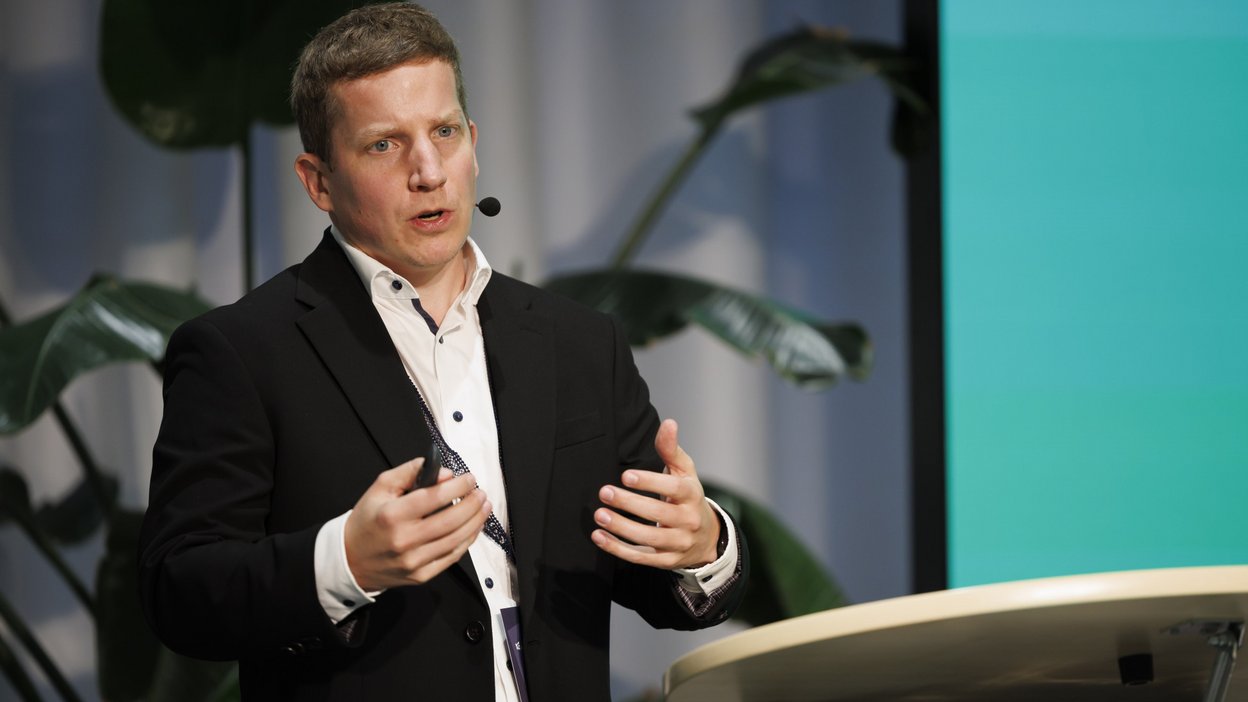
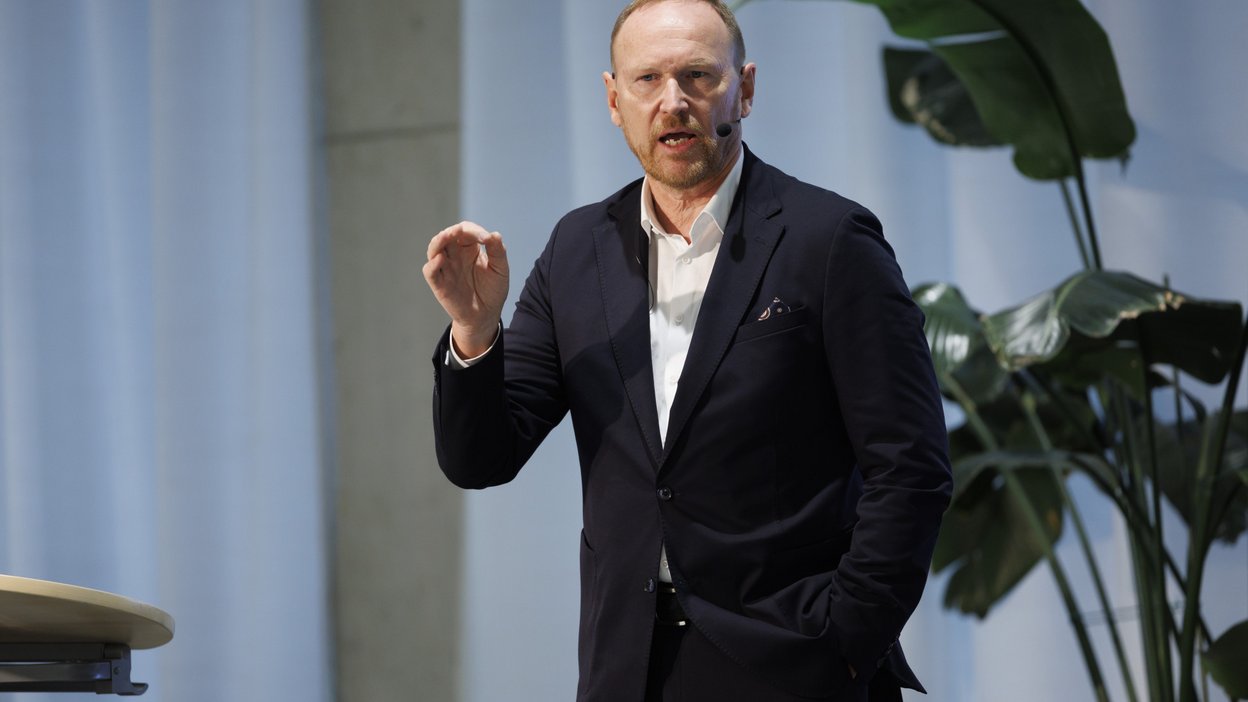
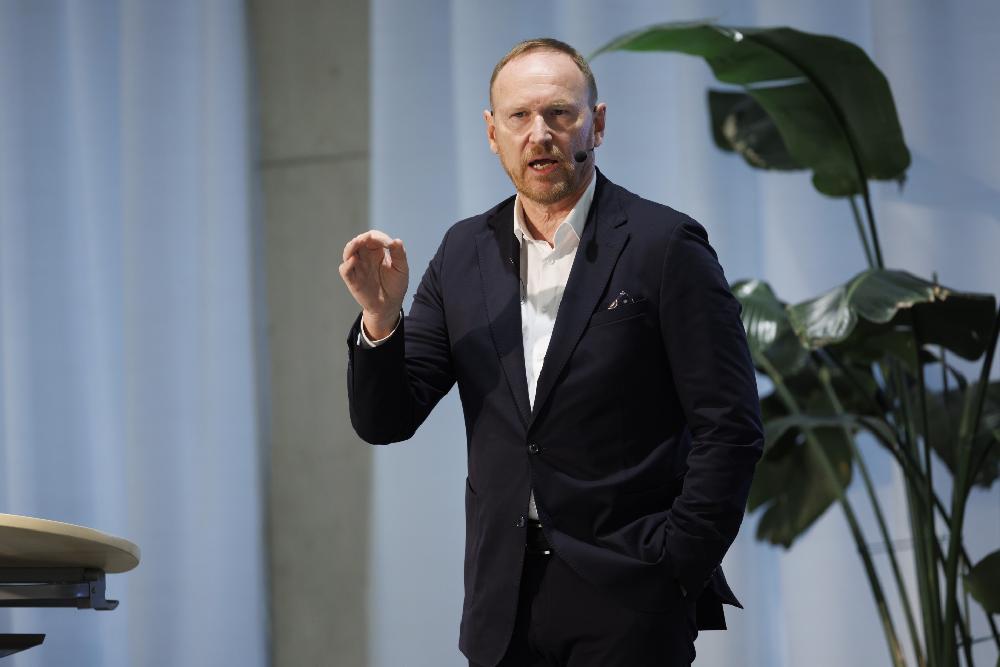
The first keynote was delivered by Professor Uwe Krueger, vice chairman of European Partnerships at Temasek International, a global investment company headquartered in Singapore with a portfolio valued well above 300 billion Swiss Francs. Thus, he offered an institutional investor's perspective: "When I started at Temasek in 2018, politics were only a small part of the discussion in the investment committee. Now they account for up to 50 percent of it. Today, politics can fundamentally change investment directions." He stressed the fact, that in our dynamic world, resilience requires profound operational and geopolitical knowledge: “The weakest dependency can determine the return of your investment,” he warned.
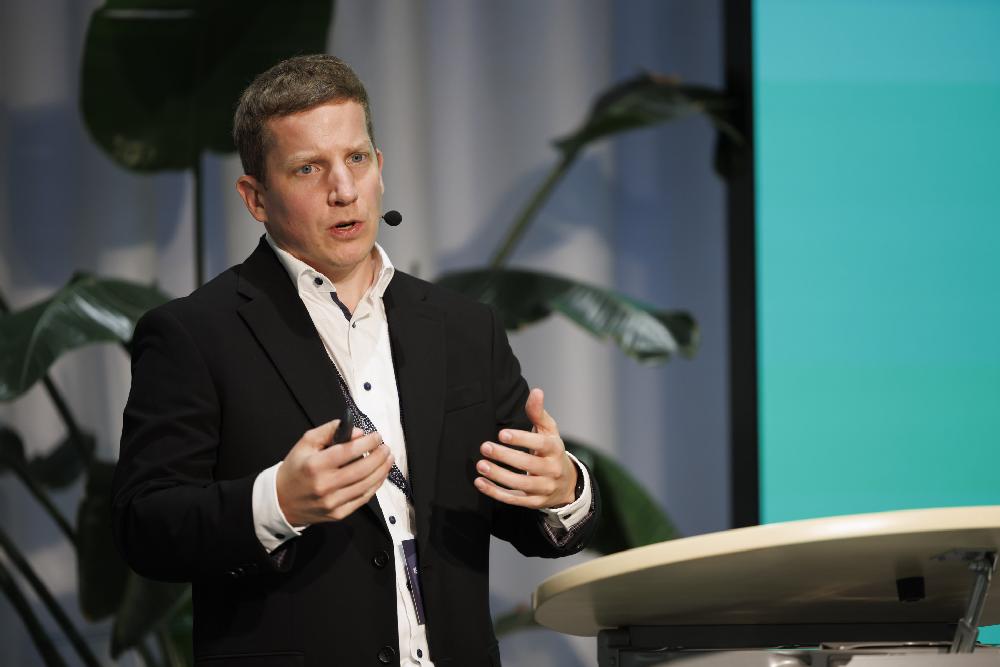
Stefan Schreiber, chairman of the board at the regionally based industry leader Bühler Group shared the perspective of a globally operating manufacturing company. Looking back at his ten-year tenure as the company’s CEO, he drew lessons from the most challenging situation he had to deal with: "It was an animal we didn’t want to meet—a black swan called COVID-19. Society is still suffering from some of the effects." Back then, all markets reacted in a similar way, which is a very rare occurrence. According to him, the idea of maximally reducing suppliers was proven wrong at the time. "We were happy to have over 10’000 suppliers back then.” In China, the company’s largest market, where they experienced 30 years of growth, the pandemic changed the situation drastically. “We were forced to adapt our strategy and restructured our operation."
In his keynote, Professor Stefan Legge, an expert on international trade, advised the participating leaders to pay more attention to long-term developments: "Structural forces shape geopolitics much more than people or events. We must challenge popular narratives and look carefully at the data." Although protectionist policies have gained momentum in recent years, the international trade volume continues to grow with China being the key driver. The country saw a GDP per capita growth of more than 500 percent over the last 25 years. "But China’s rise does not necessitate that other nations suffer. World trade is not a zero-sum game."
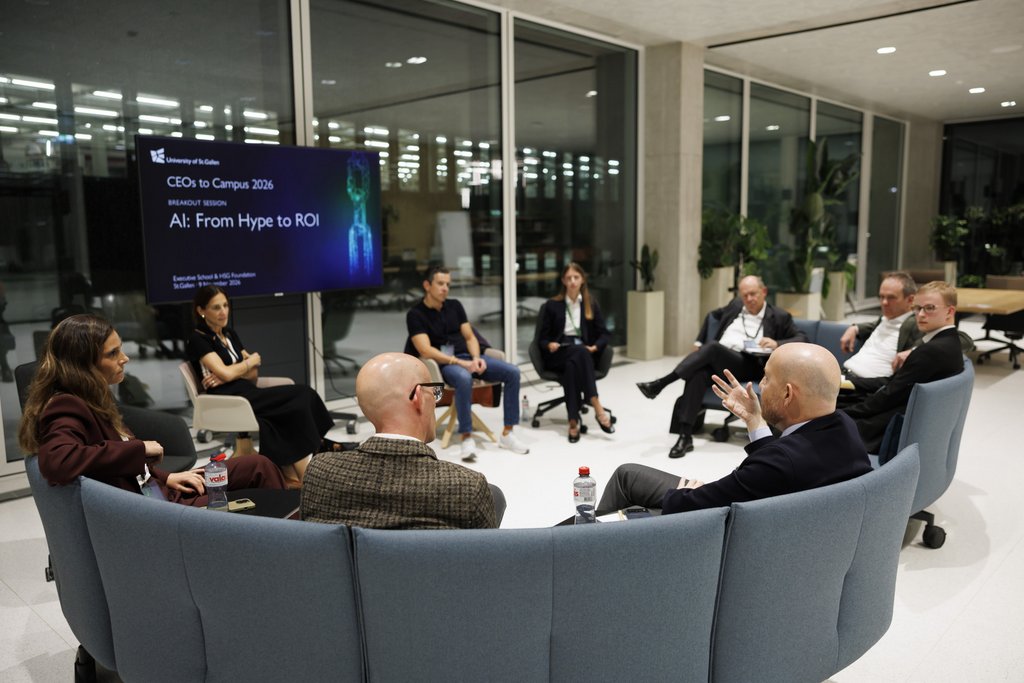
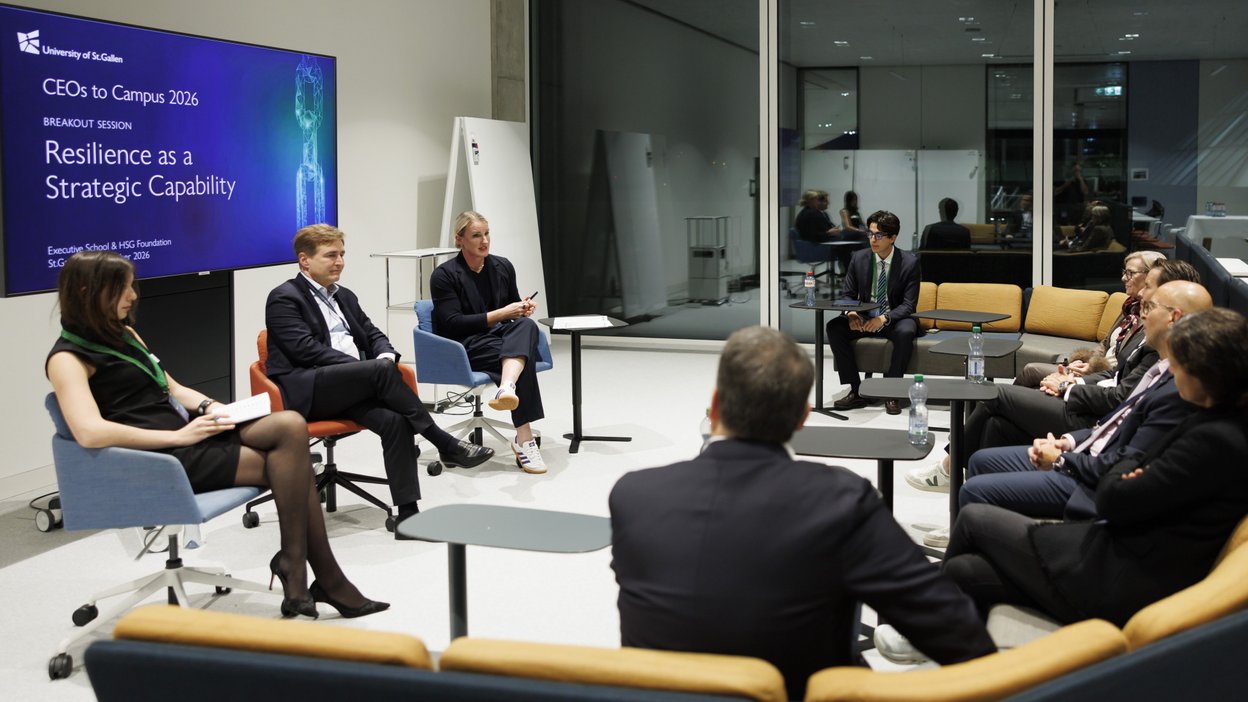
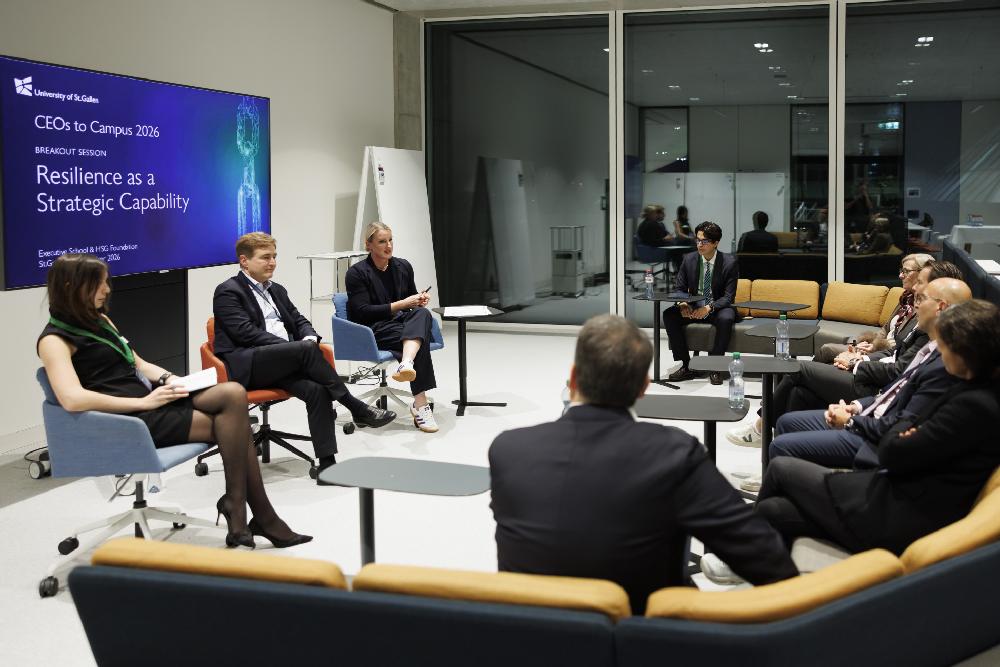
After the keynotes, participants were split into eleven groups, each dealing with a different aspect of the overarching topic. Every group consisted of leaders, faculty members, and students. The latter were given the task of moderating the discussion, providing talking points, and summarizing the findings later, once everyone got back to the plenary session for a wrap-up. Faculty members of HSG offered insight on their latest research while practitioners spoke under Chatham House Rule. Discussions covered a vast set of topics including AI, decision-making, M&A, and regulatory aspects. Professor Julia Arlinghaus, for instance, made the participants aware of possible future supply chain risks that many might not be on their radar yet. There are quite a few. Meanwhile, Professor Dietmar Grichinik, Vice-President for Innovation & Quality, offered some advice on decision-making in a multipolar world: "Our research shows that the winners aren’t the companies with the best plan, but those that learn fastest while staying on course. Leadership sets the why, the strategic guardrails and the red lines. The how is decided by those closest to the action."
"Empowering talents, inspiring leaders, that is our mission at HSG", said President Professor Manuel Ammann during his closing remarks. "We do achieve this with events like this, where we bring together CEOs, faculty, and students to learn together and inspire one another. While our talents learn about the perspectives of experienced leaders, they can, in turn, inspire them by offering fresh ideas. Thank you all for participating and openly sharing your knowledge."