Diversity, equal opportunities and inclusion are core values underpinning the self-conception of the University of St.Gallen (HSG). They are the basis for excellence, innovation and societal contribution – in research and teaching as well as in everyday life on campus. Science depends as much on the diversity of researchers and their perspectives as it does on the diversity of research topics and methods. An approach shaped by respect and fairness helps to ensure that all HSG members can fully realise their potential – during their studies, in teaching and research, as well as in administration, and beyond their time at the University – fully in the spirit of HSG's claim 'empowering talents, inspiring leaders'.
HSG has a designated office for diversity, equality and inclusion (DE&I). It offers confidential advice and support for students and faculty and professional staff on issues like access arrangements and reasonable adjustments, mental health, or balancing studies, work, and parenthood. In collaboration with other university units, it also develops strategies and measures to promote equality, diversity and inclusion. In this work, protecting personal integrity and ensuring accessibility are key. The team's recommendations are evidence-based and are guided by HSG's strategic direction and the legal framework.
One example of this is the university-wide collaboration on Inclusive Teaching. Inclusive course design creates the conditions under which all students can realise their potential and demonstrate their abilities, without lowering academic standards. As part of its Equal Opportunities programme, swissuniversities is currently supporting the development of an Inclusive Learning Tool. What matters here is not treating inclusion as an add-on, but embedding it structurally into teaching and its existing formats.
The Diversity Monitoring Report, published at regular intervals, makes the progress towards more diversity this progress visible: by 2025, the proportion of women in professorships (full, associate and assistant professorships), measured in FTE, had risen by 18 percent-age points to 36 percent since 2019. In 2025, the report was converted to a digital format, enabling a more dynamic presentation of changes in various categories of diversity, including gender and origin. In addition, the team has developed a guide to appreciative and non-discriminatory language.
On the subject of discrimination and harassment, HSG takes a clear stance: respectful interaction is a core principle within HSG, as defined in the HSG Code and the Guideline on the Protection of Personal Integrity. The DE&I Office, the Ombuds Office and the Psychological Counselling Service support all staff and students in reporting boundary violations and in dealing with challenging situations. Having been established in 2023, the annual Day Against Sexual Harassment with its comprehensive programme has since been a vehicle for fostering a culture of zero tolerance, while reporting processes continue to be developed further. In 2026, the University of St.Gallen will take on the conception and coordination of the nationwide Day Against Sexual Harassment.
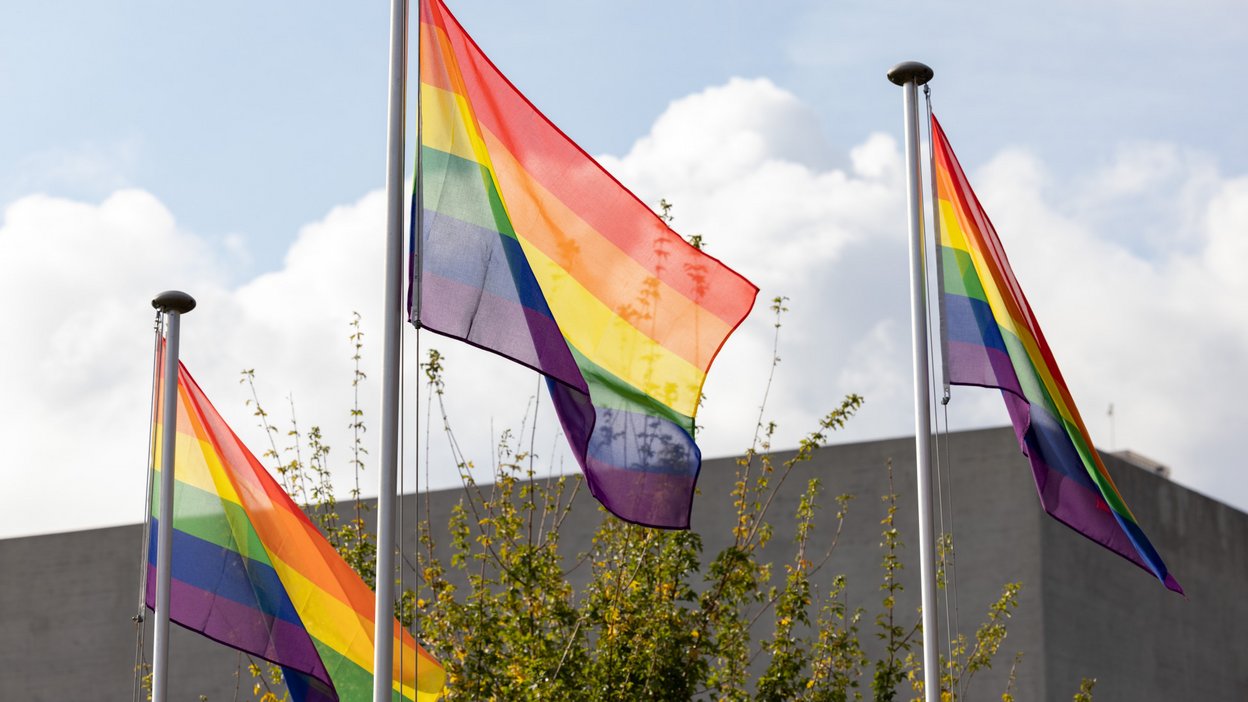
Numerous student initiatives also help to strengthen an inclusive campus climate. The student association Universa supports female students with questions about their studies, careers and further development. Events around PRIDE Month send an important signal for greater visibility and solidarity. The student initiative WASH (Working Against Sexual Harassment) organises its own programme each year on the Day Against Sexual Harassment and offers workshops and events throughout the academic year. From 2025, DE&I projects initiated by HSG members and students will also be financially supported by the Equality Committee for the first time, in order to promote structural change on a broad basis – a further step on the path to greater participation.
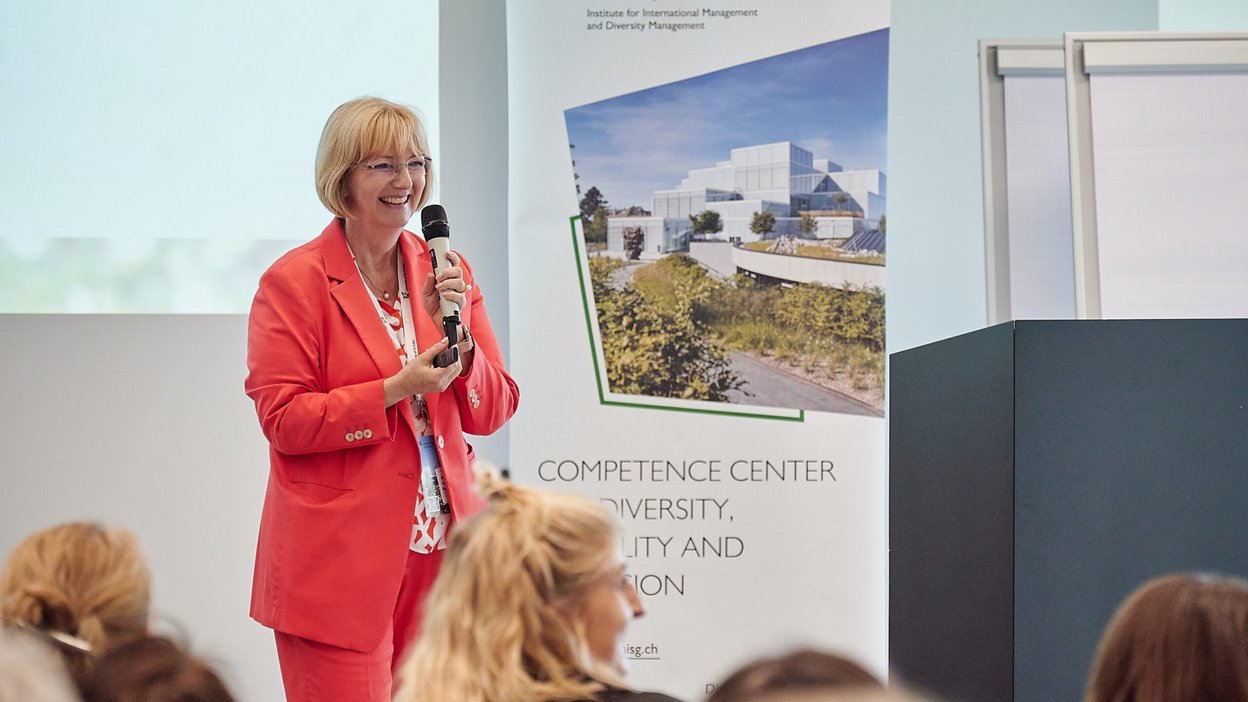
The promotion of diversity, equal opportunity and inclusion is also part of HSG's academic self-conception, reflected in the work of researchers such as Professor Christa Binswanger, Professor Gudrun Sander, Professor Jamie Gloor, Professor Stefan Böhm, and Professor Julia Nentwich, who work on topics such as male allyship, gender bias in the workplace, or inclusive leadership. The Competence Centre for Diversity, Disability and Inclusion (CCDI) is also an important driver of evidence-based practice and knowledge transfer, for example, through its annual Gender Intelligence Report and public discussion formats on inclusion in the workplace. Numerous courses on these topics are also offered in teaching, such as "Inclusive Leadership" taught by Dr Ines Hartmann in the Contextual Studies programme or "Diversity & Inclusion in the Context of Innovation" led by Professor Maximilian Palmié in the Master in Business Innovation programme. For further information, refer to the Teaching and Research sections of this report.
The President's Delegate for Diversity, Equality, and Inclusion, Professor Anastasia Kartasheva, is responsible for the university-wide strategic direction and oversees the systematic integration of DE&I topics across the University. The Delegate is supported by the DE&I team, which, together with Quality Development and Sustainability Services teams, forms the Quality & Sustainability division within the Vice-President’s Office for Innovation & Quality. This structural integration reflects a broader understanding of quality at the University, with sustainability and diversity & inclusion as integral parts of academic and institutional excellence.
Promoting inclusion and diversity is an ongoing process and a constant challenge that requires continuous commitment at every level. At HSG, students, staff and researchers pursue this path together – with openness, critical reflection, and a clear commitment to shaping a university in which difference is understood as a strength.