Campus - 26.08.2026 - 11:30
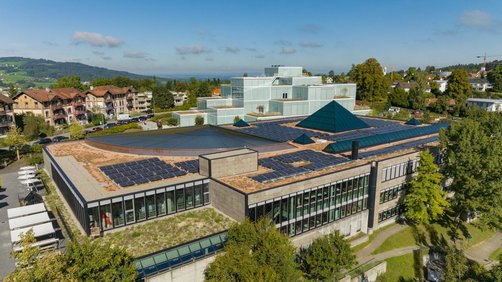
Every year, the ‘Thrive Impact Summer School’ at the HSG, launched in 2023, addresses a pressing issue at the intersection of sustainability and social innovation. In recent years, a total of around 120 students have gathered at the HSG’s SQUARE to discuss climate justice (2023), sustainable investment (2024) and the future of food systems (2025), and to develop solutions. The students come from the HSG, but also from various countries and a wide range of academic disciplines.
The 2026 edition of the School, running from 28 August to 3 September, will focus on the theme ‘Tomorrow’s Mobility’. Julia Bahlmann, the School’s project manager, says: ‘The field of mobility is undergoing major upheaval – electric mobility and autonomous driving are becoming established, whilst at the same time political upheavals are restricting global mobility, as demonstrated by the blockade of the Strait of Hormuz.’ Furthermore, the movement of people and goods accounts for around 25 per cent of global CO₂ emissions – and this is against a backdrop of rising demand for mobility. To tackle problems such as air pollution, climate change and the depletion of resources, sustainable transport solutions are therefore needed.
In case studies, students develop ideas and solutions for specific problems faced by mobility and logistics companies: these include DHL, SBB, Deutsche Bahn, Dott and the HSG spin-off Urban Places Lab. The student body is international and interdisciplinary: around a quarter come from the HSG, whilst computer scientists, engineers, lawyers and geographers also attend the School. “The participants are deliberately selected on an interdisciplinary basis. This diversity is essential for truly getting to the heart of complex problems,” says Bahlmann.
The HSG students attend the School as part of a course that forms part of the HSG’s ‘Context Studies’ programme. This accounts for 25 per cent of all course credits and covers cultural, social and historical topics.
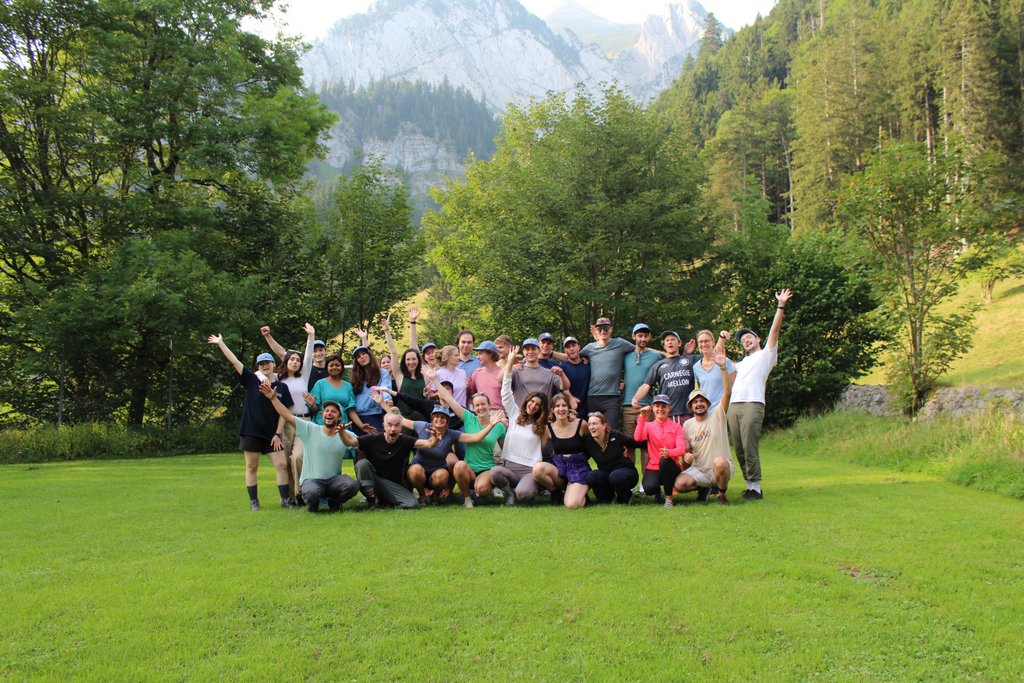
To kick things off, the participants spend two days in Wildhaus in the Toggenburg region. Hiking, experiencing nature, taking a step back from everyday life – this serves as team-building, but also provides a mental anchor: slow mobility and the importance of nature lay the initial thematic foundations.
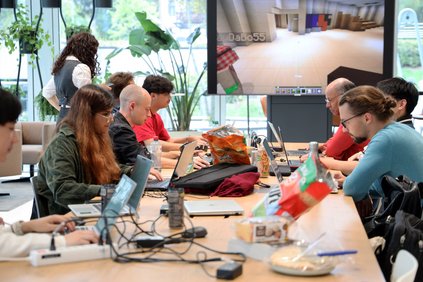
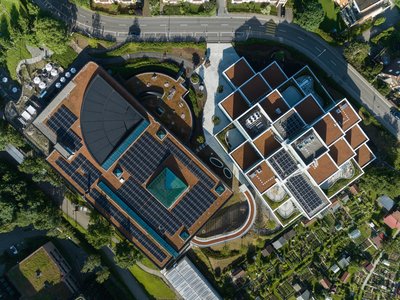
The students then spend five intensive days at HSG’s SQUARE working on specific challenges. After an introduction to the global context of the mobility system, they tackle real-world problems faced by companies. Working in teams throughout the week, the students develop solutions for the case studies, with regular short expert presentations or opportunities for discussion in between. Finally, they present their concepts to the partner organisations. “As well as the academic exchange, an international network is formed that extends beyond the Summer School – for the students as well as for the HSG,” says Julia Bahlmann.
More articles from the same category
This could also be of interest to you
Discover our special topics