
The past eleven years have been the eleven warmest on record, and scientific consensus warns that current efforts remain insufficient to halt human-induced global warming in the near future. The consequences are already becoming visible. Here in Switzerland, they take the form of more frequent and more intense extreme weather events and drastically accelerated glacial melt, while many parts of Europe are battling forest fires and drought.
From a broader perspective, humanity has now crossed seven out of nine planetary boundaries, threatening the stable conditions that support human life and prosperity on Earth. Relatedly, the World Economic Forum’s Global Risk Report continues to highlight sustainability-related risks as most pressing long-term challenges for the economy. This is echoed by investment banks and insurance companies, who are warning that physical climate risks will significantly threaten our economic system.
Yet, there is reason for hope. Many companies are advancing their sustainability efforts, even amid global political uncertainty. Scientific guidance is clear on the solutions needed – and as a business school, we have a vital role to play in translating these insights into corporate action and educating the leaders of tomorrow.
At HSG, the past two years have marked important strategic progress on sustainability and the President’s Board approved an updated sustainability strategy for 2025–2028. This strategy integrates environmental, social, and economic dimensions and sets three overarching goals:
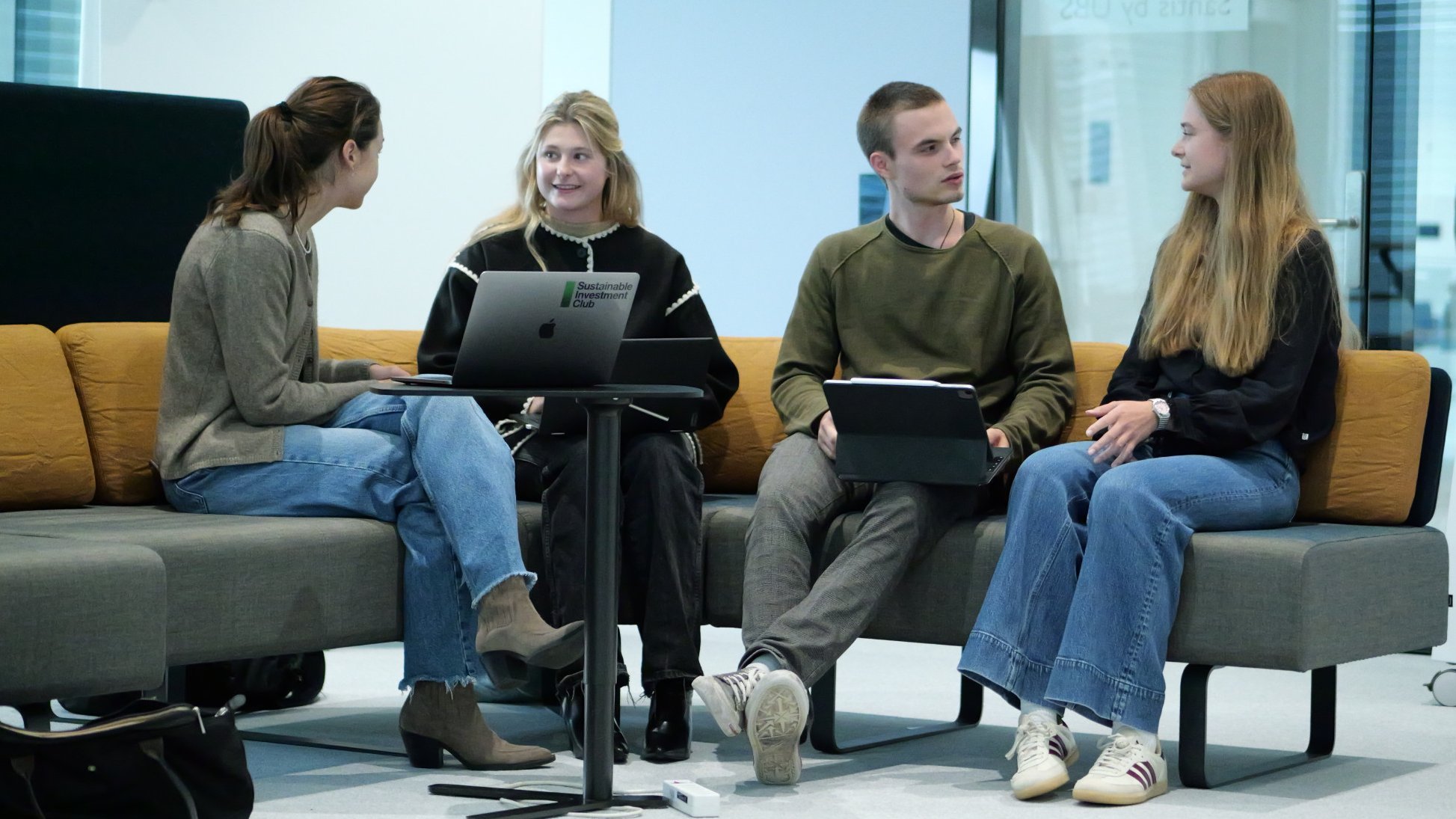
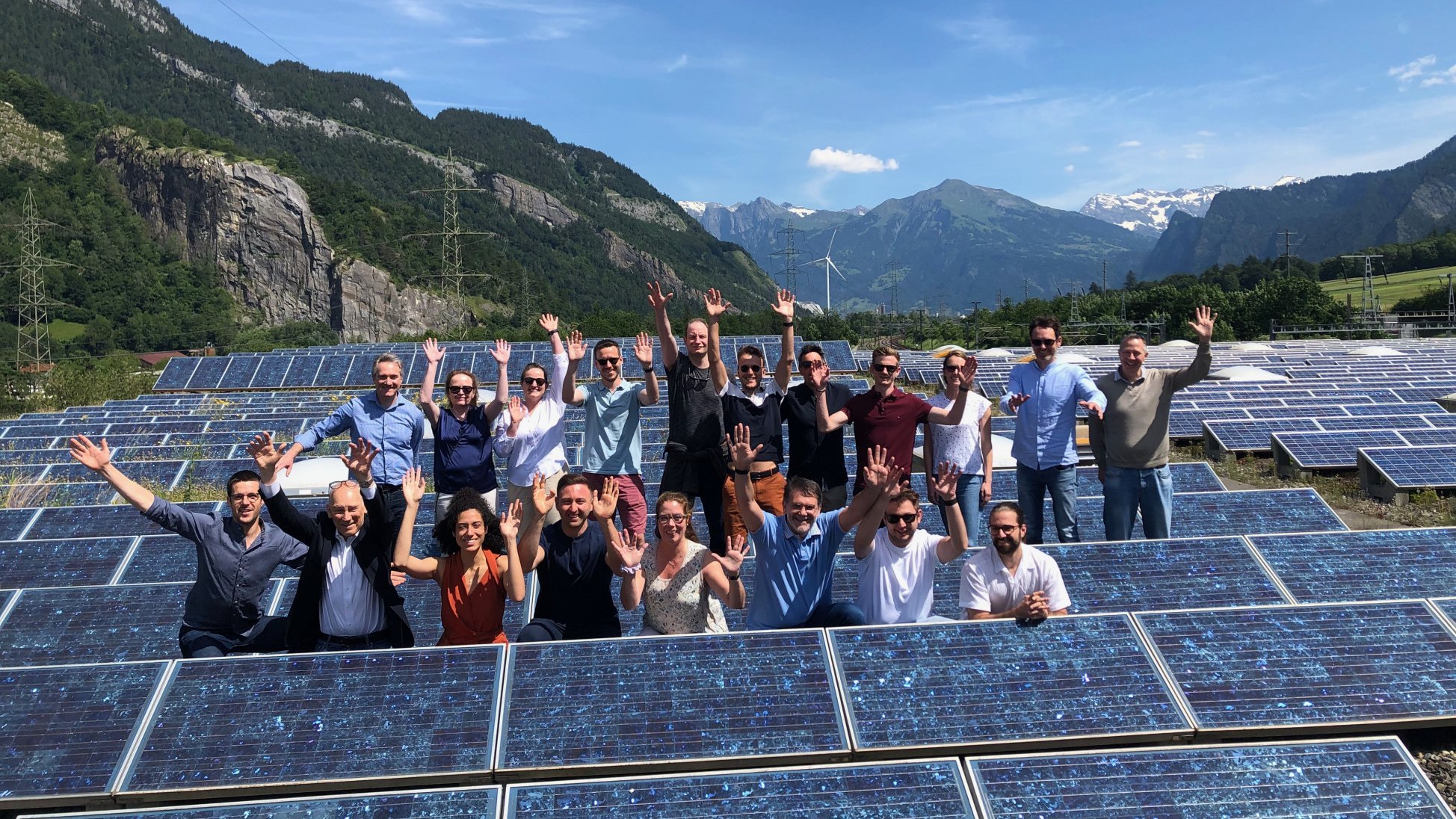
In teaching, we continue to expand our sustainability offerings. In 2025, we introduced a joint master’s certificate in Global Sustainability Management (GSM). A programme like no other in Europe, GSM is co-developed and co-taught by experts from leading European institutions in business administration, economics, and social sciences as part of the Engage.EU alliance. This offer complements existing initiatives, namely the bachelor’s certificate in Integrative Sustainability Management (SuM) and the master’s certificate in Managing Climate Solutions (MaCS). In both of these programmes, students once again delivered impactful projects to advance sustainability on campus and in the St.Gallen region. At the executive education level, we also offer several courses on renewable energy, sustainability business innovation, and impact investing. In addition to these and other curricular activities, our vibrant student clubs and individual changemakers also continue to drive forward a wide range of sustainability initiatives.
On the research front, our faculty has produced a wealth of work at the intersection of sustainability, business, and society. The HSG Impact Awards showcase this diversity, while new high-profile projects – such as the new merger between two institutes that resulted in the Institute of Responsible Innovation, Sustainability and Energy (RISE-HSG) and the newly launched Competence Center for Sustainable Finance and Private Wealth (CCSP) – reflect our growing research leadership. Furthermore, around half of HSG’s 2025 journal publications on the prestigious FT50 list address sustainability-related topics directly.

Many research projects are rooted in mutually beneficial collaborations with partners from business and society. Furthermore, many entrepreneurial ventures emerge from the HSG ecosystem, offering tangible solutions for a better future. For instance, the startups fortyfour and ZoneIn. These two champions of the newly launched HSG Best Founders programme are working to advance carbon capture technology and improve mental health, respectively. Meanwhile, the established HSG startup Planted was named the world’s top FoodTech company of 2025 by Time magazine.
To further strengthen HSG’s societal engagement, the St.Gallen Transformation Lab has expanded its activities to foster regional innovation and sustainability through cross-sector collaboration around desirable futures. This reflects our belief that academic institutions must not only generate knowledge but also serve as catalysts for real-world change.
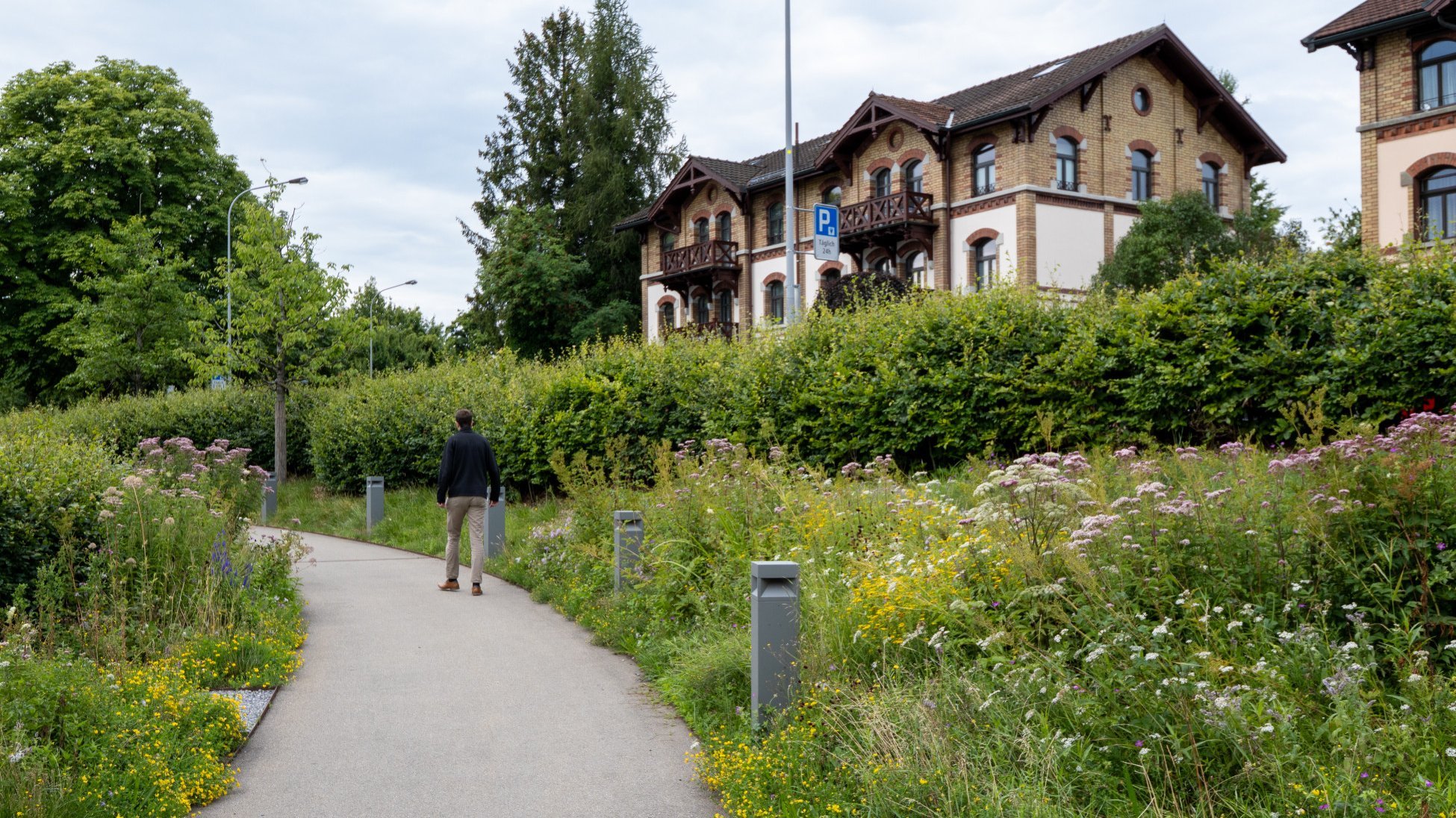
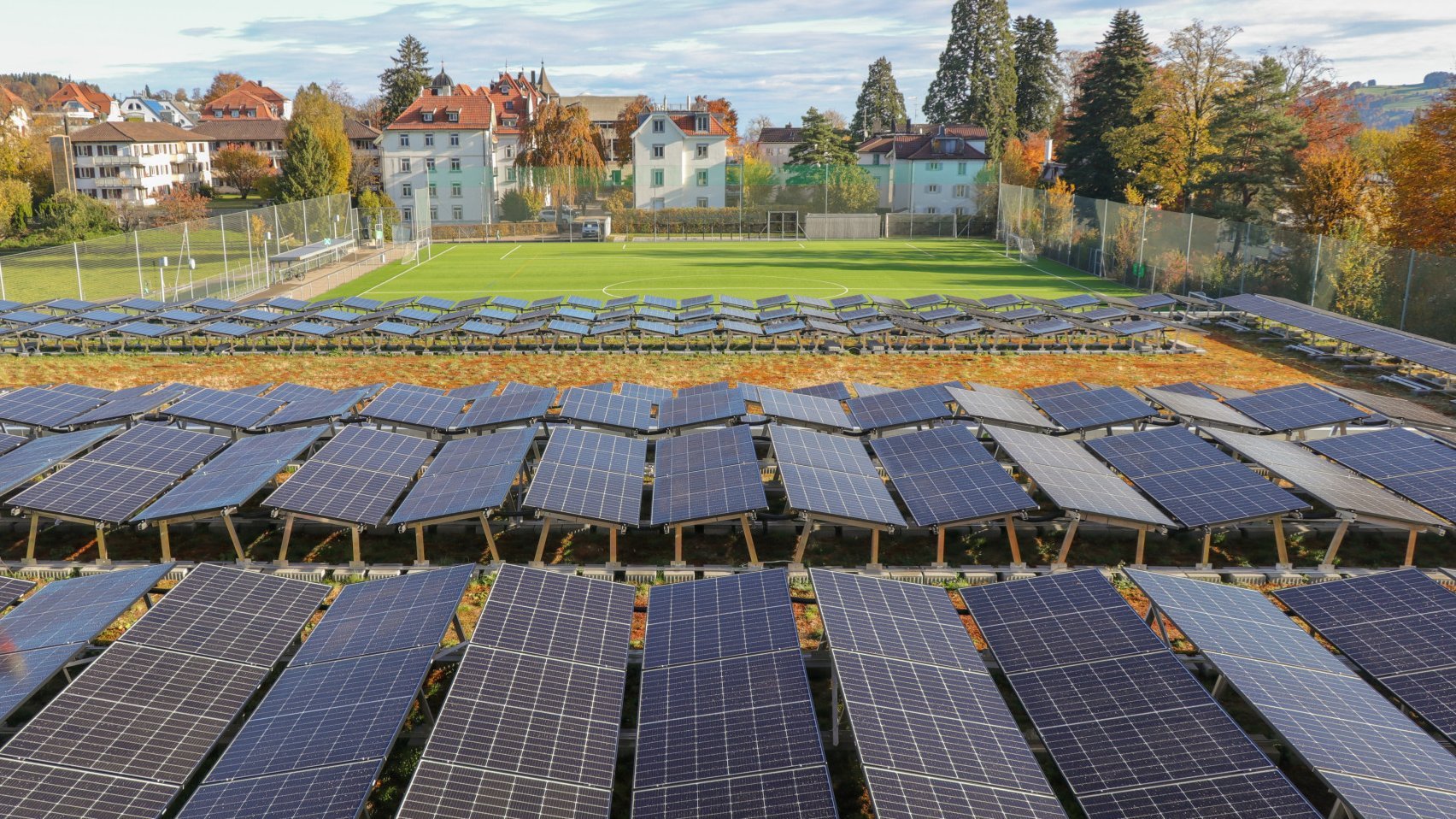
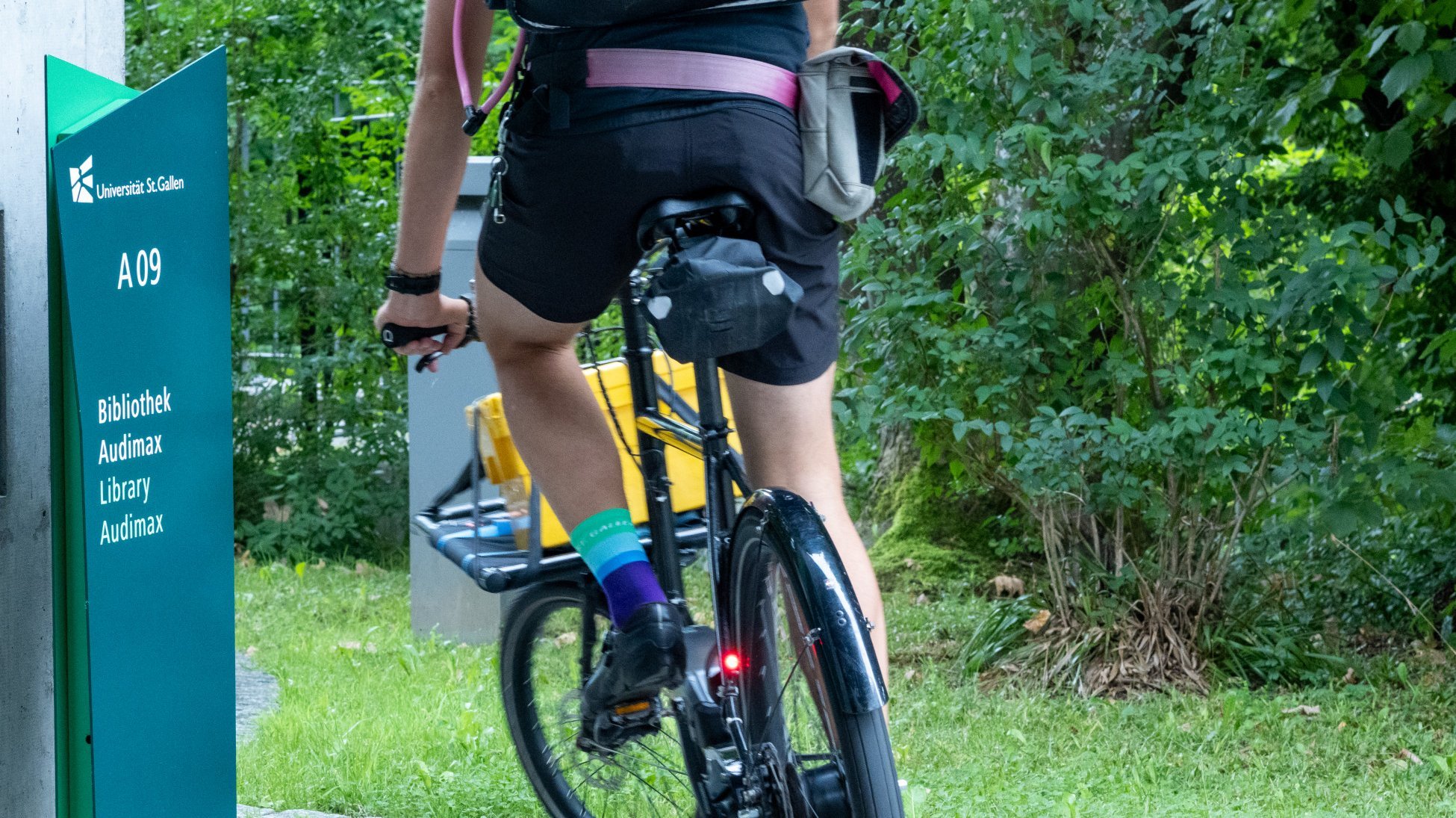
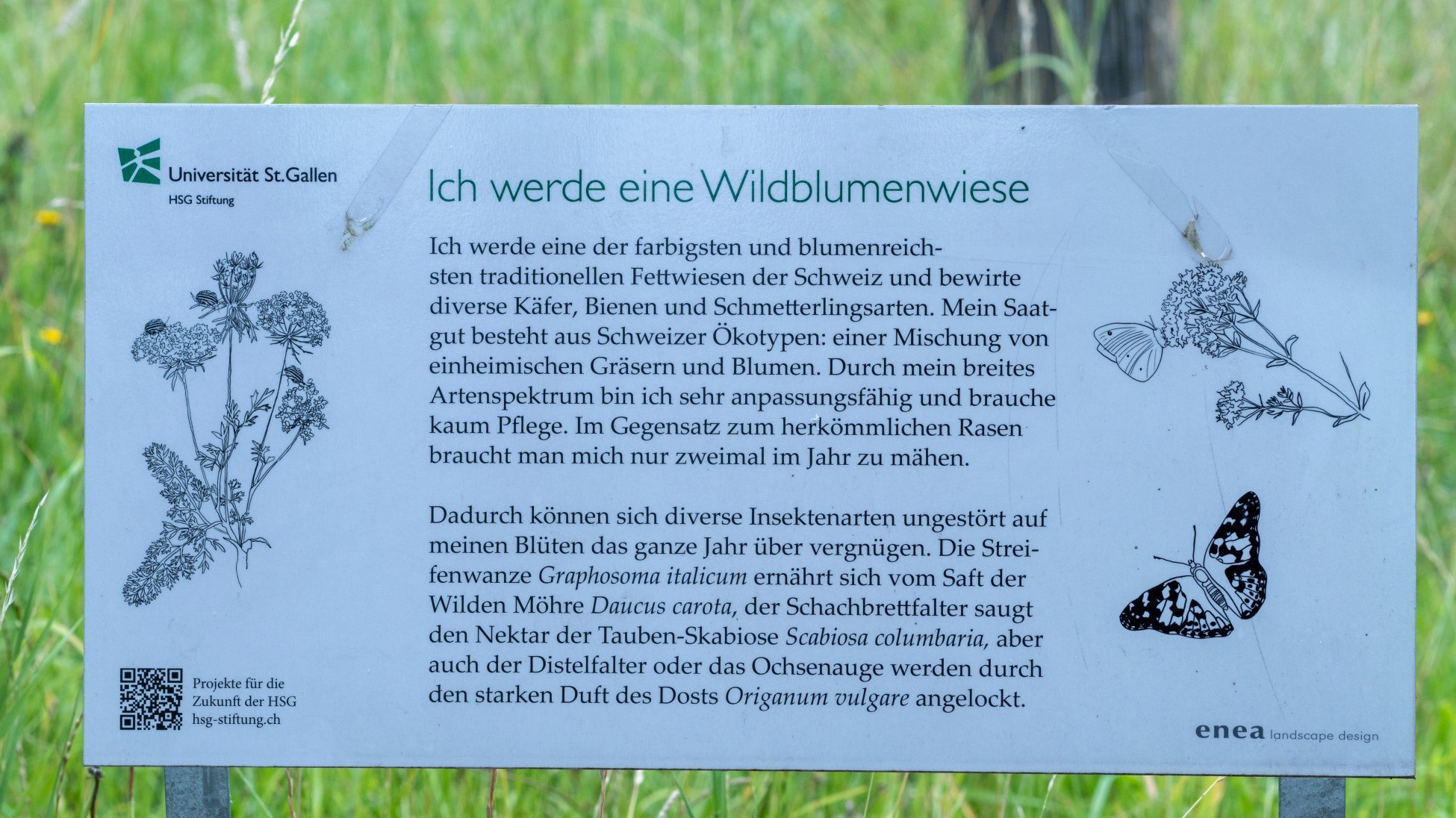
Finally, our efforts to strengthen sustainability on campus have continued. HSG’s carbon footprint has decreased by around 10 percent compared to the baseline year of 2019, despite rising student numbers. To further strengthen climate action, we finalised HSG's net zero roadmap, which lays out how the University will work towards its goal of net-zero in core operational emissions (Scope 1 and 2) by 2030, and a 25 percent reduction across all scopes (1-3) by 2030 against our 2019 baseline. Travel, procurement, and food have been identified as priority levers. Academic travel, in particular, is an area that will require innovative solutions: it accounts for a substantial share of our footprint, yet the intercultural experience of a semester abroad is invaluable to our students, as is international conference travel for early-career scholars. We are in the process of exploring targeted measures on this issue that do not compromise the important experience.
In sum, the past year again brought significant achievements, and this report offers a window into the stories and progress behind them. At the same time, the state of our planet reminds us that much more remains to be done, and with urgency. At HSG, we do not have all the answers for ourselves yet, but we remain committed to advancing innovative solutions across all dimensions of our strategy – thereby ensuring that business becomes part of the solution. None of this would be possible without the dedication of our internal and external partners, to whom I extend my heartfelt thanks. I look forward to continuing this important work together.
Professor Judith L. Walls
Delegate, Responsibility & Sustainability
University of St.Gallen (HSG)