"From insight to impact" – this is the slogan of the University of St.Gallen (HSG). It expresses our ambition to empower people to engage actively in shaping the world through research and scientific inquiry. In its HSG Vision 2030+, the University has set itself the goal of jointly creating innovative and sustainable solutions for the grand challenges of our time – at the intersection of academia, business and society. For knowledge to have an impact, it must fulfil two conditions: it must be relevant to society, and it must find its way from academia into practice.
The media are an important channel for reaching society. In 2025, HSG researchers were quoted in several hundred media articles on sustainability issues. The media outlets range from local newspapers, such as St.Galler Tagblatt, to national television channels, such as SRF, and international newspapers, for example, the Handelsblatt. Journalists relied on the expertise of HSG specialists, for example, for reports on the circular economy, the energy transition, equality, diversity, and the role of marketing in the sustainability transformation.
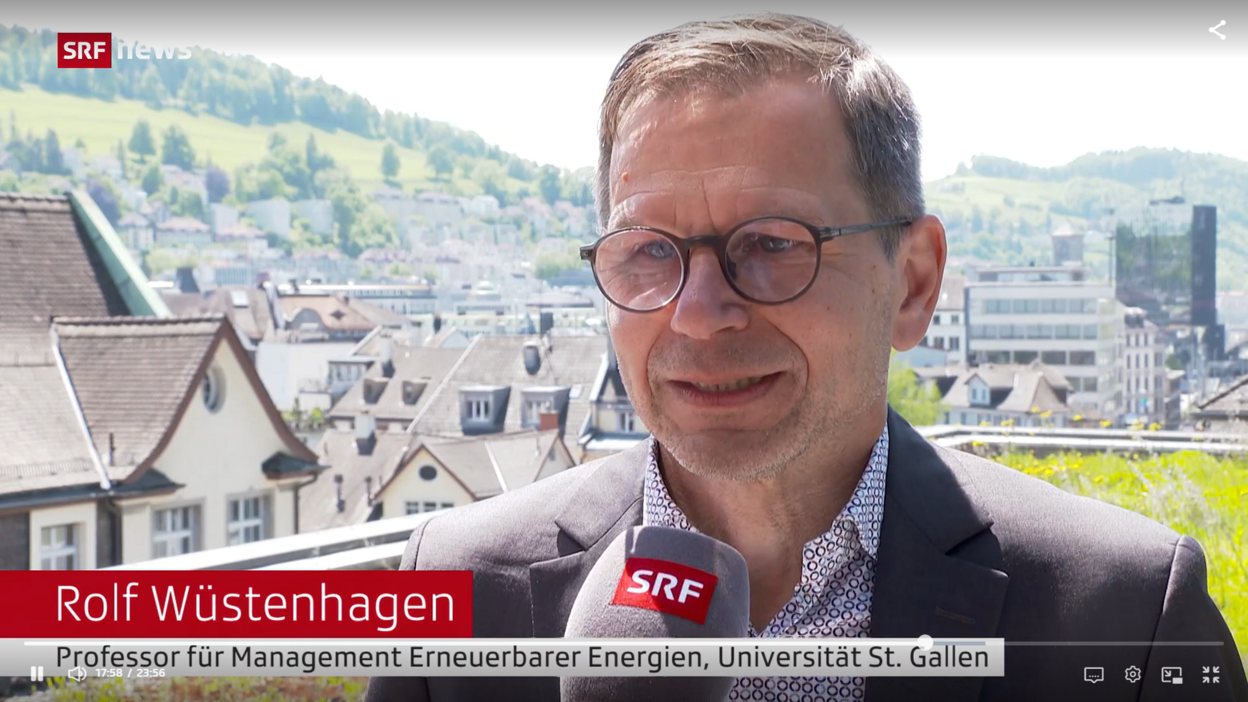
In these articles, researchers contribute their knowledge in order to contextualise current developments, explain complex interrelations, and reflect on societal trends. Professor of Renewable Energy Management, Rolf Wüstenhagen, is a sought-after expert who states:
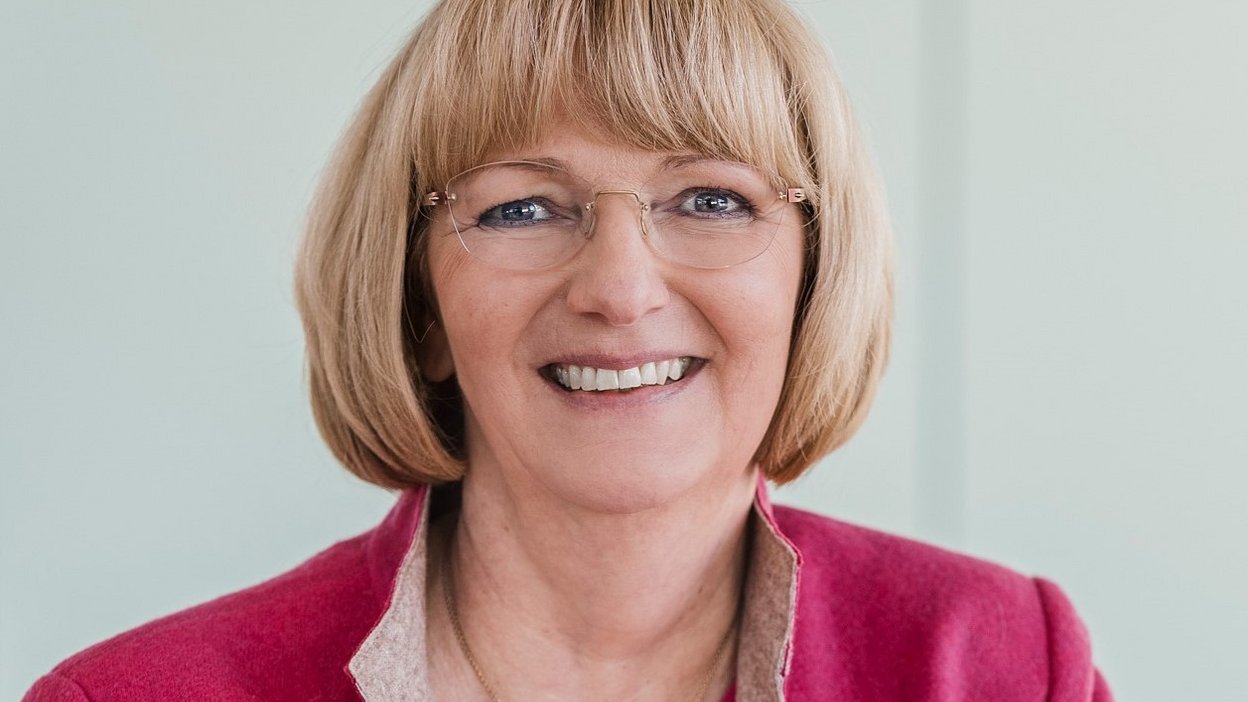
Gudrun Sander, Adjunct Professor of Management, is also a frequent guest in the media. In March 2025, for example, the Handelszeitung interviewed her about challenges leaders face in the modern workplace. Sander emphasises the importance of science communication:
HSG not only contributes to public discourse but is actively involved in shaping the future through the engagement of her many alumni. In 2025, four HSG alumni were among the winners of Sustainable Shapers Switzerland, an award presented annually by Sustainable Switzerland, an initiative by NZZ, to individuals who have made outstanding contributions to sustainable development. From over 240 applications, a jury selected 15 winners across three categories – Leadership & Transformation, Knowledge & Opinion, and Vision & Innovation. Among them: Vincent Vida, founder of Upgrain, which turns brewing residues into nutrient-rich ingredients; Philipp Furler, co-founder of Synhelion, which produces renewable fuels from solar energy, CO2 and water; Nathalie Agosti, founder of Outlive Advisory, who raises awareness of issues such as mental health and equal opportunity among corporate leaders; and Hans-Dietrich Reckhaus, who has transformed his company INSECT-RESPECT from an insecticide manufacturer into a pioneer for biodiversity.
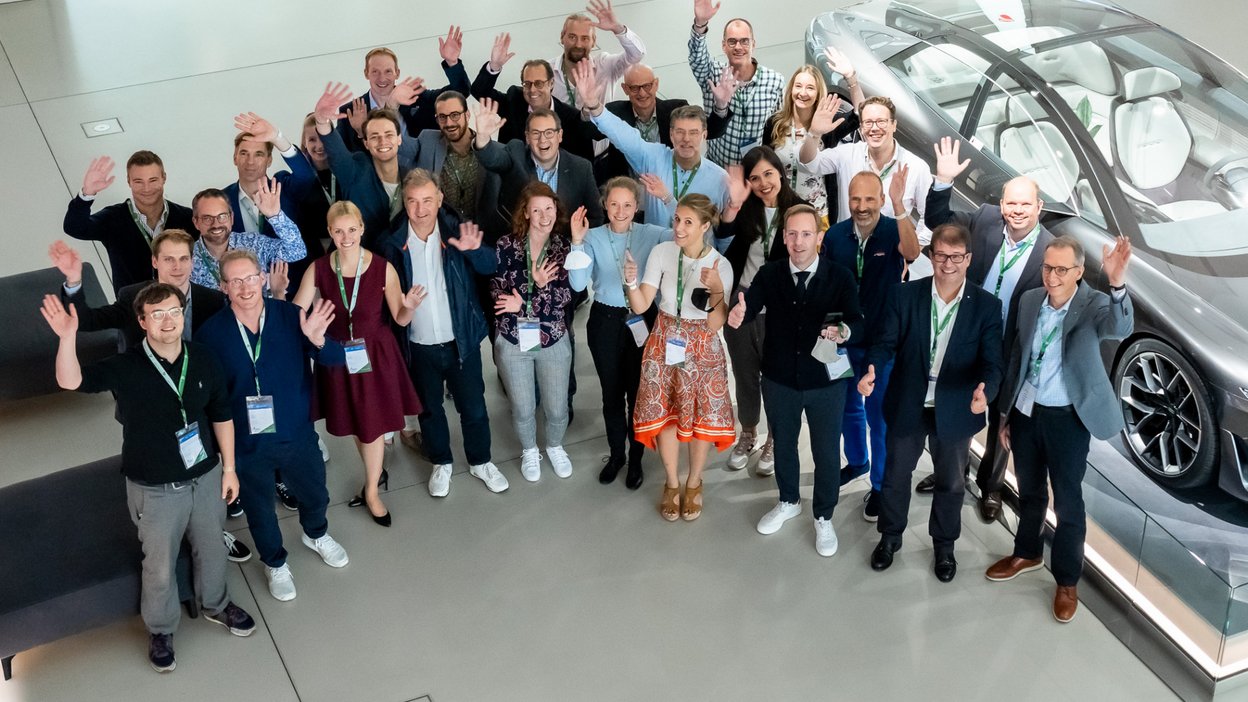
Another example of alumni's engagement is Zukunft-Fabrik.2050, an association within the HSG Alumni network. The goal of Zukunft-Fabrik.2050 is to develop realistic and positive visions of the future through open dialogue formats and to help bring these visions to life through concrete projects and initiatives. The association’s activities range from initiating practical, science-based initiatives to organizing digital events in the German-speaking region, as well as co-developing initiatives with student organizations such as START Global or the St.Gallen Symposium.
The intergenerational exchange facilitated by these events is particularly important to Dr Rainer Lampe, one of the initiators of Zukunft-Fabrik.2050. He comments: “To be able to actively shape the future, young people must be given a voice, and this is exactly what we are trying to do with our Young Leaders on Board initiative”. The initiative promotes sustainability and long-term thinking in progressive companies by systematically involving young executives in decision-making processes. Another project of Zukunft-Fabrik.2050 focuses on the future of healthcare. In various exchange formats, ten ideas for a future-proof healthcare system were developed together with HSG researchers and alumni working in the healthcare sector. The intention is to stimulate discussion and initiate concrete implementation projects to promote the sector’s positive transformation.
These initiatives are part of many other activities that share a common goal: to actively and constructively work for a better future. “The HSG alumni and alumnae build a unique network of engaged individuals who are active in various areas of business and society. Zukunft-Fabrik.2050 sees itself as a platform for uniting engagement toward a positive future,” states Dr Jochen Andritzky, one of the initiators of the initiative.
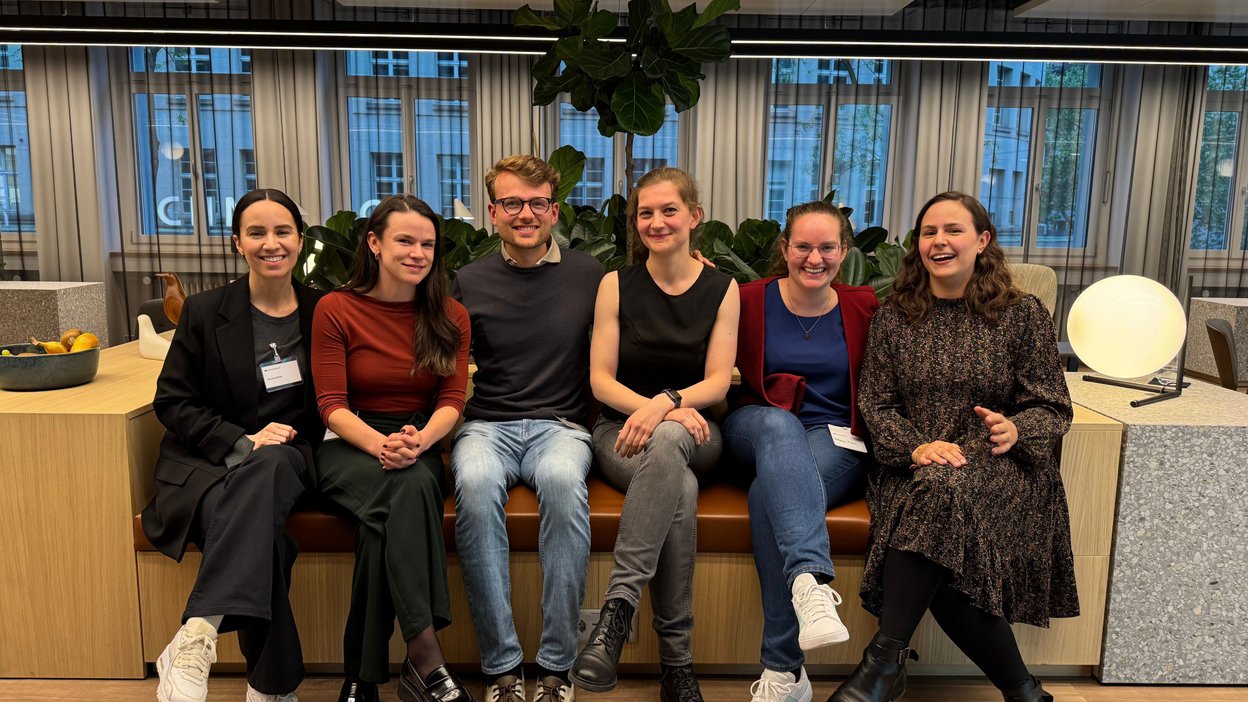
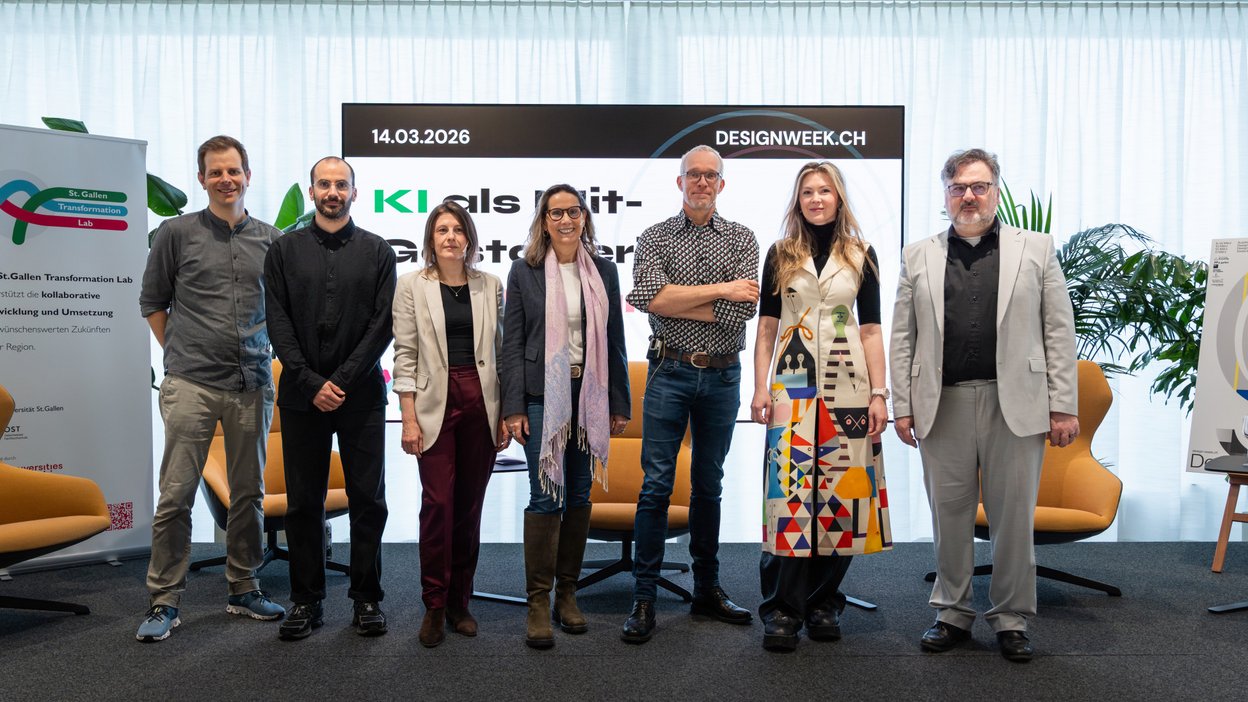
To promote and expand positive societal impact even further, the St.Gallen Transformation Lab was launched at the end of 2024. It offers a participatory platform for developing and implementing sustainable and innovative visions for the future in the St.Gallen region through collaboration among various groups. The goal is to get the public sector, NGOs and the general population involved, in addition to academia and business. The Eastern Switzerland University of Applied Sciences (OST) is a founding partner of the Transformation Lab, with funding provided by the founding institutions as well as by swissuniversities.
In addition to general support for the local ecosystem, various projects with specific impact goals are currently being implemented. . The past years have been particularly focused on working with different partners to create momentum in the local ecosystem . For example, a coordination- and collaboration circle for regular exchange has been institutionalised. Collaborative events such as ‘AI as co-creator of the future’ with Design Week St.Gallen or a workshop with the student organisation oikos have been organised. And a prologue to a future festival in the St.Gallen region is currently being developed. Its purpose is to establish a broadly shared understanding that the future is not something gloomy and predefined, but rather something citizens and local stakeholders can actively shape in collaboration. In addition, the Transformation Lab further develops proven formats such as the THRIVE Impact Summer School and the Partnership Catalyst – and provides space for the development of further innovation projects.
In order to generate knowledge from the Transformation Lab and make it widely accessible, the process is complemented by participatory action research. The overarching goal of all activities is positive societal impact through social innovation and thereby a contribution to a desirable future in St.Gallen – and in the long-term beyond.