At the University of St.Gallen (HSG), research is not just about academic excellence – it also aims to provide concrete answers to societal challenges. In the field of sustainability, HSG pursues the goal of further expanding its expertise, connecting researchers, and enabling impact beyond the scientific community. Numerous research projects that have received national and international awards demonstrate how this aspiration is made a reality.
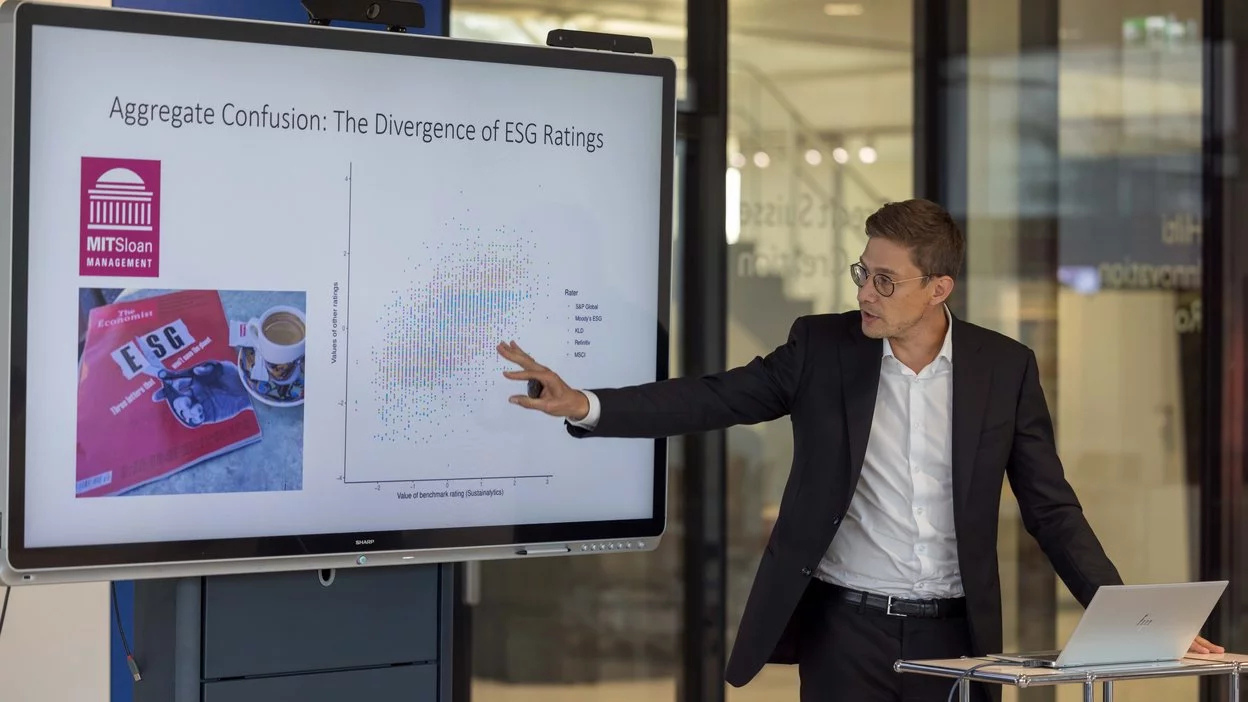
One example of award-winning research with far-reaching impact is the work of Julian Kölbel, Assistant Professor at the Centre for Financial Services Innovation. With his research focus on sustainable finance, he explores how financial markets can be made more sustainable. For the Aggregate Confusion: The Divergence of ESG Ratings project, which he developed together with Florian Berg and Roberto Rigobon, he received two prestigious awards: the Pagano and Zechner Prize from the Review of Finance and in 2024, and in early 2025, the Financial Times Responsible Business Education Award in the category "Research making a real difference”.
"I am delighted to receive these awards," said Kölbel. "They are a great recognition of our work and a strong impetus for further research in the field of sustainable investments. Our research shows that there are still many unresolved issues in measuring sustainability – it is now our task to address them."
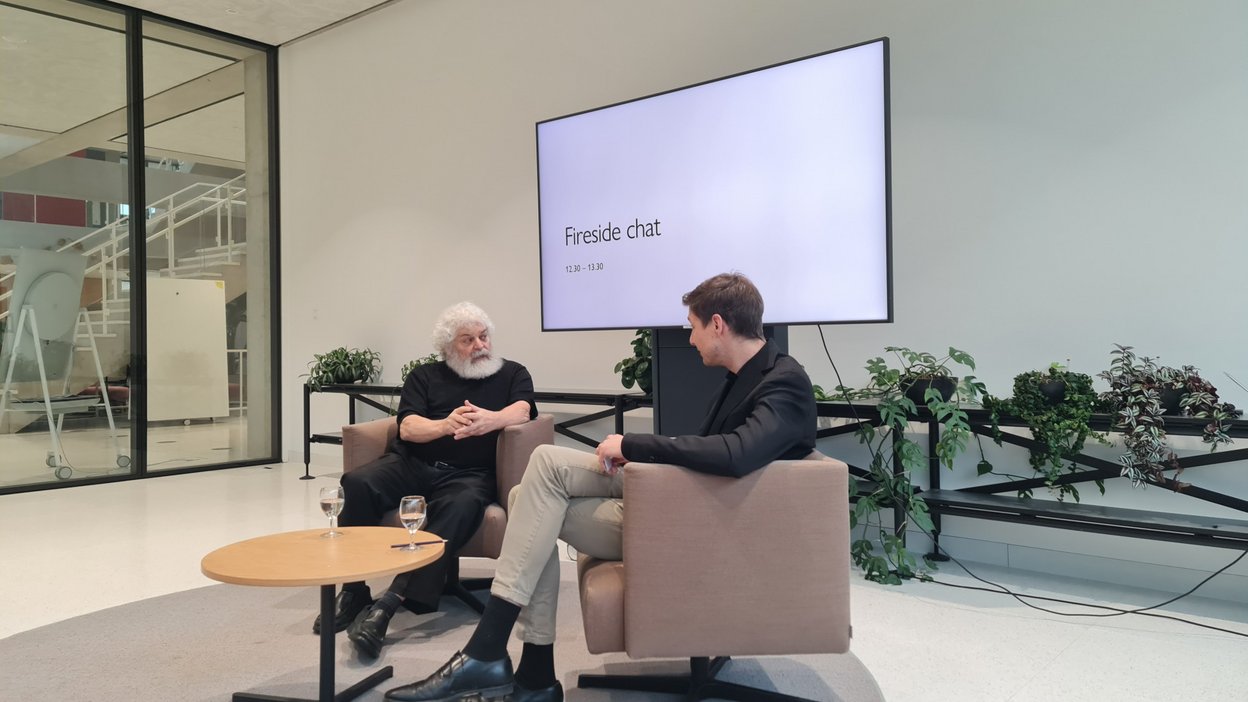
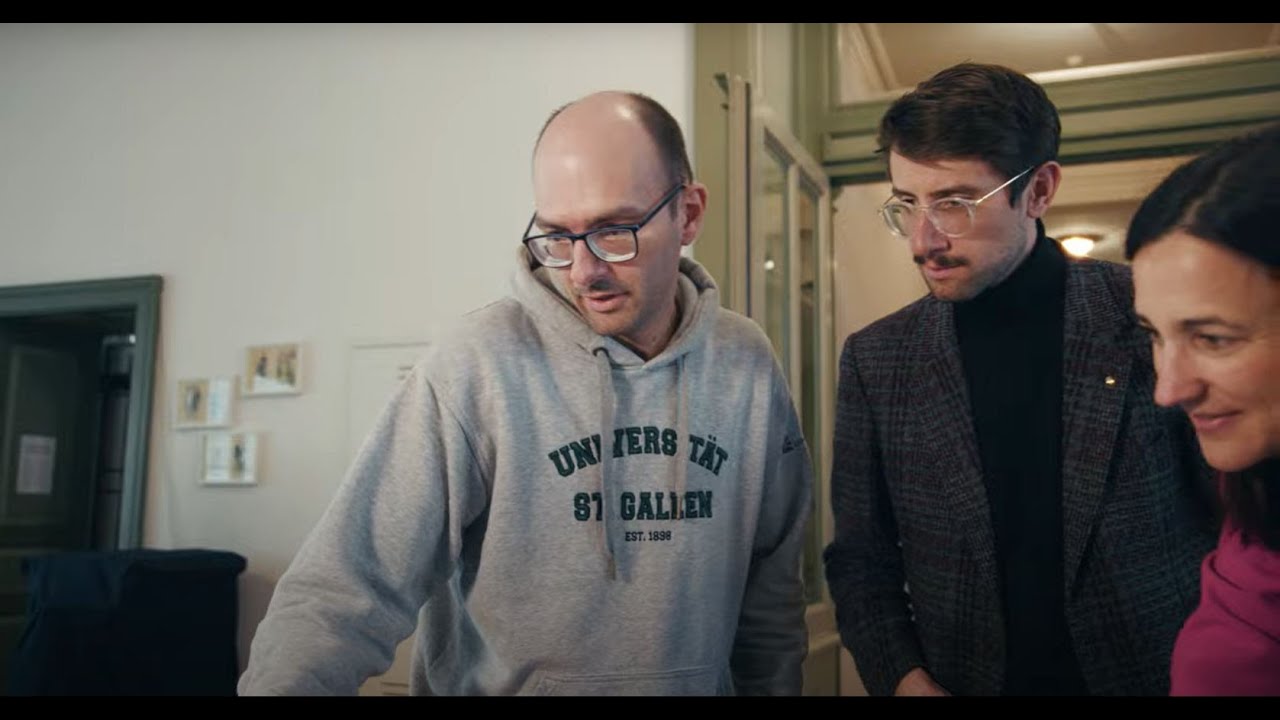
To bring new insights to a wider audience, Julian Kölbel hosts the Innovations in Sustainable Finance podcast and has already aired over 20 episodes, discussing current ideas, research findings, and practical examples relating to sustainable financial markets. He is also actively involved in the HSG Impact Scholar Community, an internal platform that connects HSG researchers working on sustainability-related topics across disciplines and supports them in their research work by organising world cafés and discussion rounds. During a session with Professor R. Edward Freeman, Personality in Residence at SQUARE, Kölbel discussed how research can bring about real change. He summarises his understanding of impact as follows:
"For me, impact means that my research changes the thinking or behaviour of relevant actors – be it companies, investors or political decision-makers. I measure impact by whether new findings are taken up, discussed and applied practically."
Professor Julian Kölbel, Assistant Professor of Sustainable Finance (FSI-HSG)
To structurally strengthen impact-oriented research, HSG offers further targeted support services. For example, under the direction of Professor Judith Ströhle (ACA & IWÖ), a podcast Numbers & Narratives was launched along with the Sustainability in Numbers seminar series to raise the profile of quantitative sustainability research and promote exchange between researchers. Additionally, various ESG databases are available to the HSG faculty. These data sets are freely accessible to students and researchers at HSG and enable evidence-based sustainability research.
At the annual Academic Poster Session event in 2025, around 40 posters presenting various research projects at HSG and the Eastern Switzerland University of Applied Sciences (OST) were on display once again providing an insight into latest sustainability research which ranges from climate risks and circular economy to issues of social justice and the societal impacts of AI. The event serves as a platform for interdisciplinary exchange and new research collaborations.
The diversity in HSG’s excellent sustainability research was demonstrated by various awards granted in 2025. Rita Kesselring, Associate Professor of Urban Studies at HSG, was awarded the Walter Enggist Research Prize for her book Extraction, Global Commodity Trade, and Urban Development in Zambia’s North-Western Province. By shedding light on the close links between the development of a Zambian mining town and Switzerland’s commodity trading hub, her work makes an important contribution to the debate on how Switzerland intends to position itself in a globally interconnected world.
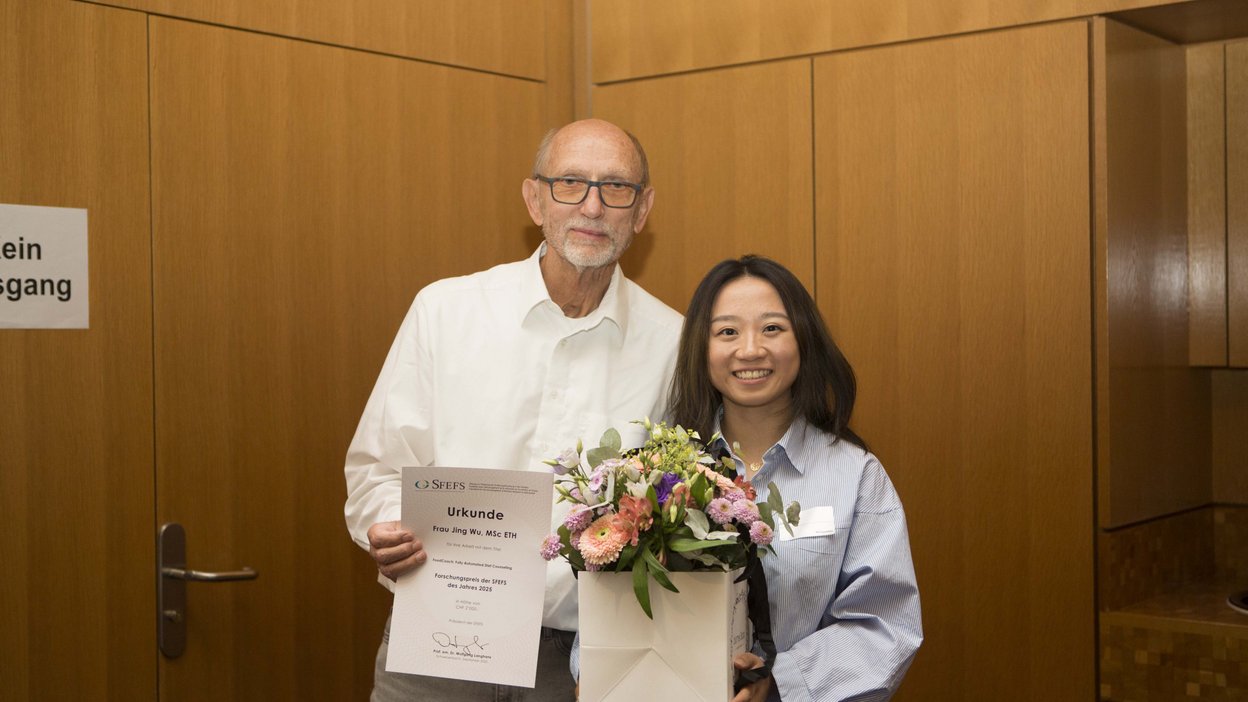
Jing Wu, a PhD student at the School of Computer Science, was awarded the 2025 Research Award in Human Nutrition by the Foundation for the Promotion of Nutrition Research in Switzerland (SFEFS). The award recognised her project “FoodCoach: Fully Automated Diet Counselling”, which combines shopping data, food information and large language models to enable scalable, data-driven nutritional counselling.
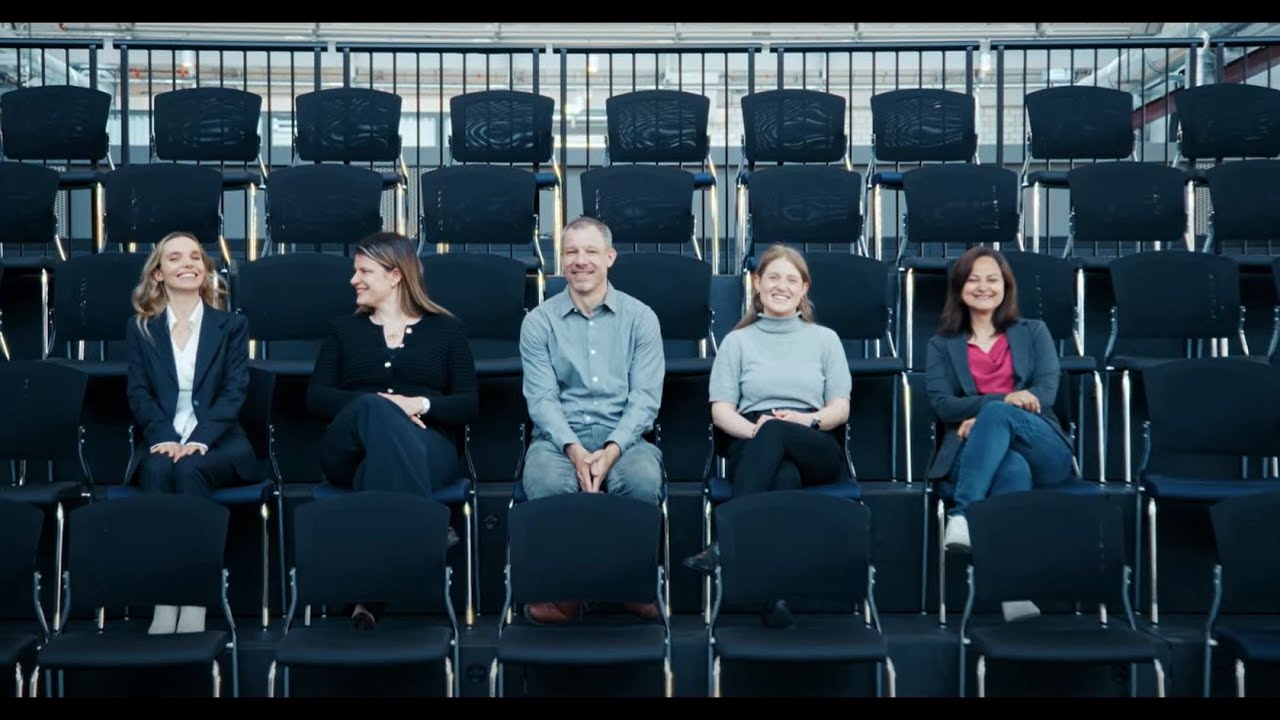
HSG is also recognising outstanding research: With the annual HSG Impact Awards, the University honours research projects that have a particularly significant impact on society. In 2025, the three awards went to the following projects: