Campus - 26.05.2026 - 12:00
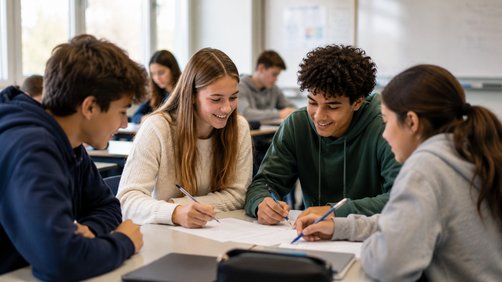
Eight start-ups, 25 investors, a day of negotiations – and, in the best-case scenario, a signed contract: this was the concept behind the HSG course ‘Venture Capital Lab’. Students on the HSG Master’s in Banking and Finance (MBF) took on the role of venture capitalists (VCs). These investors back young, unlisted companies with a correspondingly uncertain growth trajectory.
The start-ups in the course were not case studies, but real young companies from the “HSG START Accelerator” support programme. “The fact that these are start-ups with validated business models that are already active in the market increases the relevance for the students,” says Stefan Weik, HSG Professor of Finance and course leader.
MBF student Alexander Kekkas describes the course’s approach as follows: “We are thrown into practice relatively quickly and have to evaluate start-ups and negotiate with them. It’s challenging, but it’s a great learning experience.” The course is structured so that theoretical content can be applied directly.
During the one-week intensive course, Weik’s input was combined with practical insights from two VCs: Sara Theinert from UVC Partners and Nico Schönberger from 10x Founders. They explained how investors evaluate start-ups and structure negotiations.
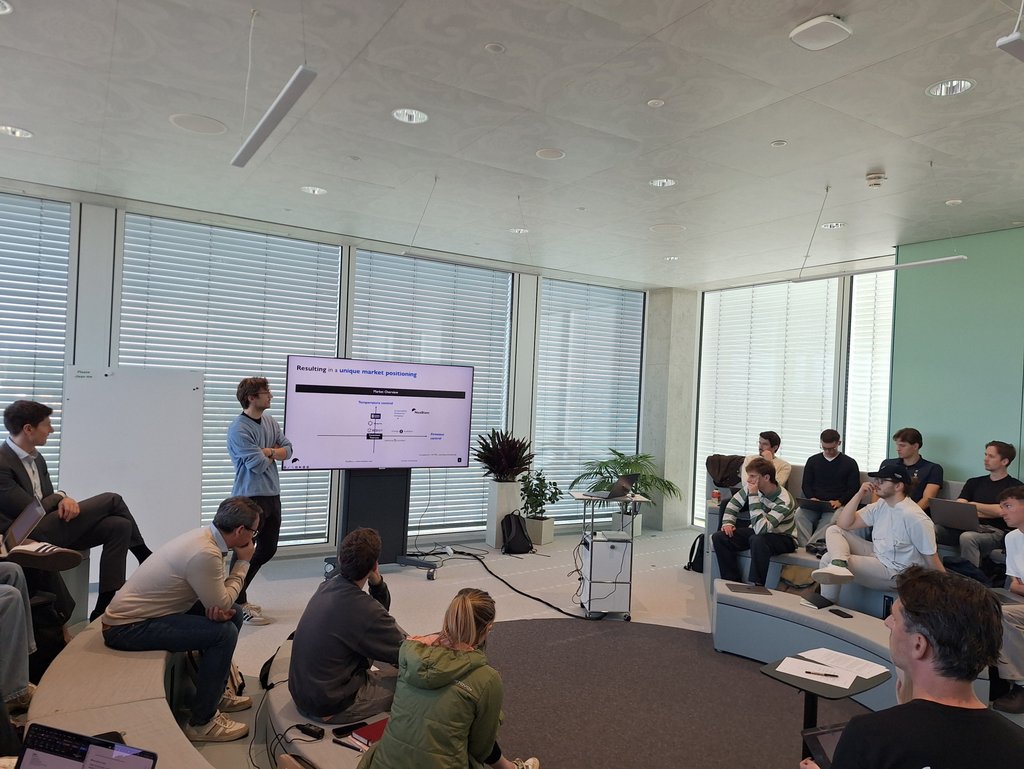
Following two introductory days – covering topics including valuation methods, investment criteria, investment memos and negotiation techniques – the pitches from the eight start-ups took place on the third day. After a 15-minute presentation, the students took on their VC roles: they asked critical questions and analysed the business models.
“The questions were well-founded and showed good preparation. It was striking that fewer fundamental questions were asked about technological feasibility – the understanding of AI applications was high overall,” says Raphael Eder, founder of the start-up GoNeon, which develops AI-based infrastructure planning (e.g. transport or energy).
Other participating start-ups were:
• Aithon Robotics (drones for inspection work),
• ExoSphere (early detection of cancer via blood test),
• FireDrone (drones for extreme operating conditions),
• Lightlink Instruments AG (hyperspectral cameras),
• NoxBlanc (personalised sleep systems),
• optohive (wearable brain imaging)
• SurfAce Cleantech (coating technology for sustainable packaging)
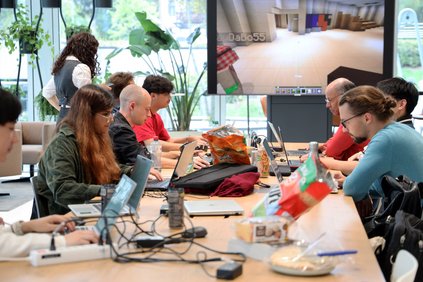
The students then worked in groups of three, each focusing on one start-up. The final day of the course was devoted to negotiations: the aim was to draw up a so-called term sheet – a preliminary agreement defining the key terms of an investment. “The students were also tasked with deliberately proposing conditions that were, in some cases, unfavourable. The learning effect should be mutual,” said Weik. An agreement was not reached in all cases.
According to Weik, interest in working in the venture capital sector has grown among HSG students. “VC investments are long-term in nature and enable targeted impact, for example in the area of sustainable business models.” At the same time, the sector is strongly characterised by individual negotiations: “Standardised contracts are rare, and individually negotiated clauses can quickly lead to complex financing situations. Success comes to those who can master this complexity and negotiate strategically.”
The European VC market is also on a growth trajectory. However, VCs naturally take on high risks; the failure rate of investments is high, and the pressure often is too. Overall, however, venture capital has developed into a serious alternative to traditional investment banking.
More articles from the same category
This could also be of interest to you
Discover our special topics