Who takes the lead when – and why? In times of growing complexity and acceleration, shared leadership is becoming a key model for contemporary leadership and employer attractiveness.
The modern world of work is undergoing fundamental change – what was long considered stable is now faltering. Trends such as digitisation, skills shortages and sustainability are demanding new forms of collaboration: "No one knows exactly what the working world of the future will look like, but the old ways no longer work in many areas," says leadership expert Heike Bruch, describing the "upheaval" between traditional hierarchical structures and new, contemporary leadership models.
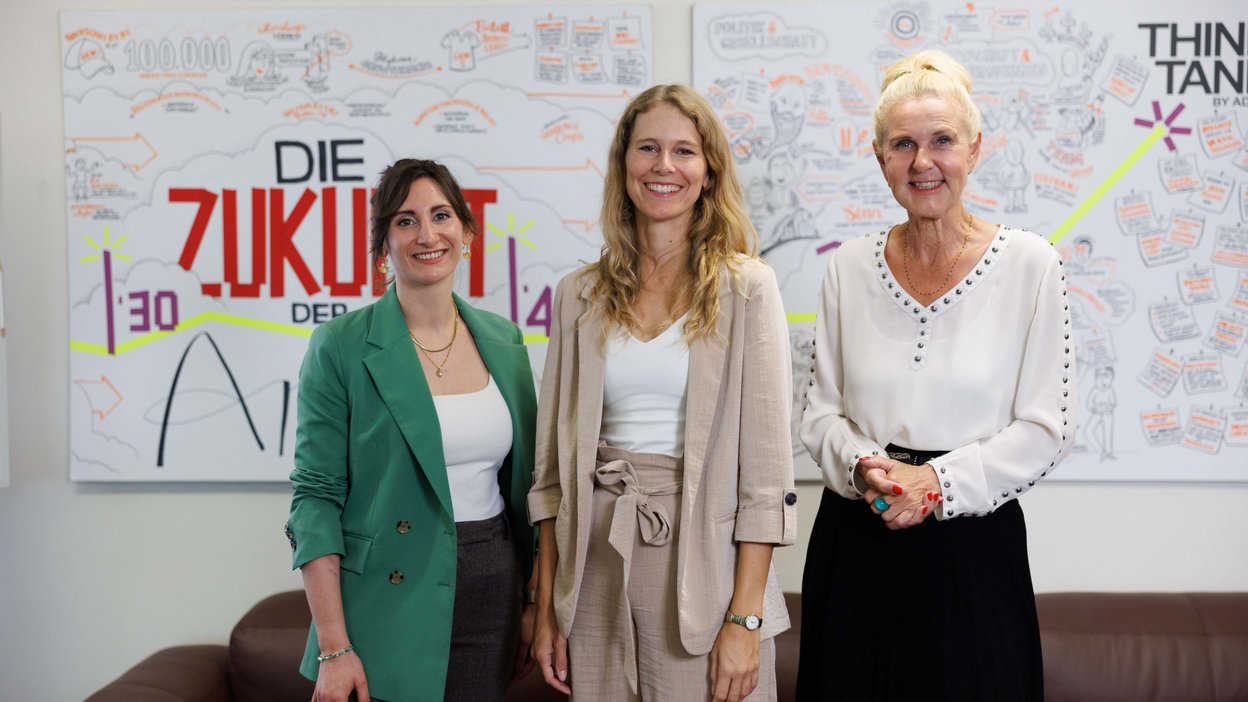
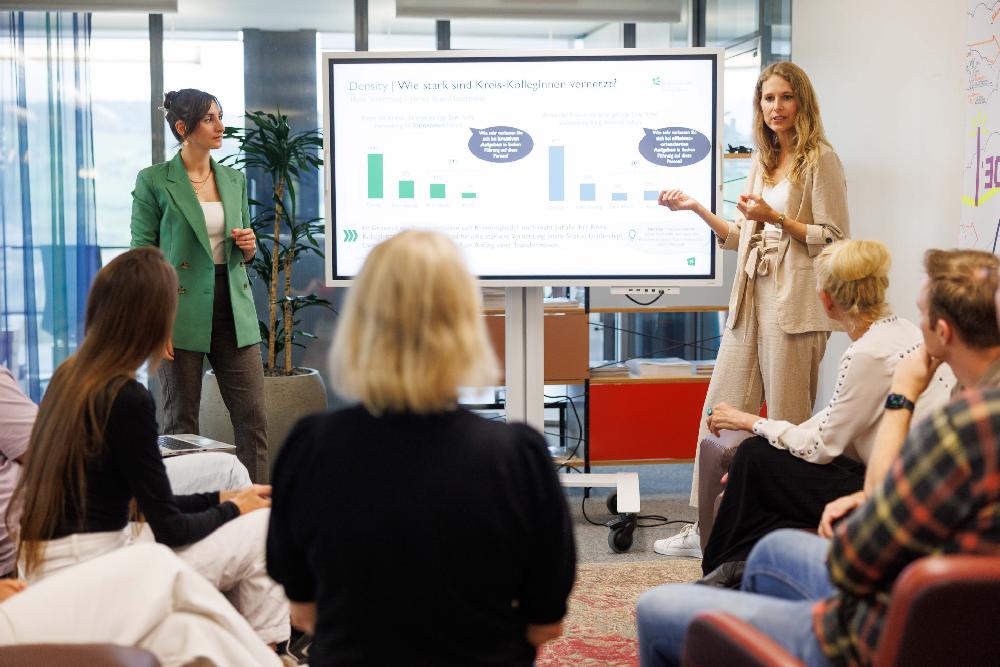
The traditional idea of leadership, in which one person bears responsibility, is increasingly reaching its limits, says Heike Bruch, Professor of Leadership and Director of the Institute for Leadership and Human Resource Management (IFPM-HSG). She has been researching the topics of modern leadership and new work & culture for over 20 years and is currently observing a decline in interest in leadership responsibility and a shift away from the traditional working world: a study by the IFPM shows that only half of Generation Z wants to take on leadership roles – and that of those who already hold leadership positions, around a quarter would like to relinquish their leadership responsibilities. "Companies need to become more innovative and develop a contemporary understanding of leadership in order to retain talent and make new leadership attractive again," says Heike Bruch. Lena Rudolf, Sophie Klüser and Heike Bruch are investigating a possible solution for modern leadership in their research project "Shared Leadership Dynamics". Shared leadership describes a dynamic, horizontal leadership process in which team members share leadership tasks and roles – in contrast to the classic top-down approach with a clear leadership hierarchy. This approach can strengthen collective responsibility, promote mutual trust and enable more flexible and faster decision-making processes in dynamic and complex work contexts.
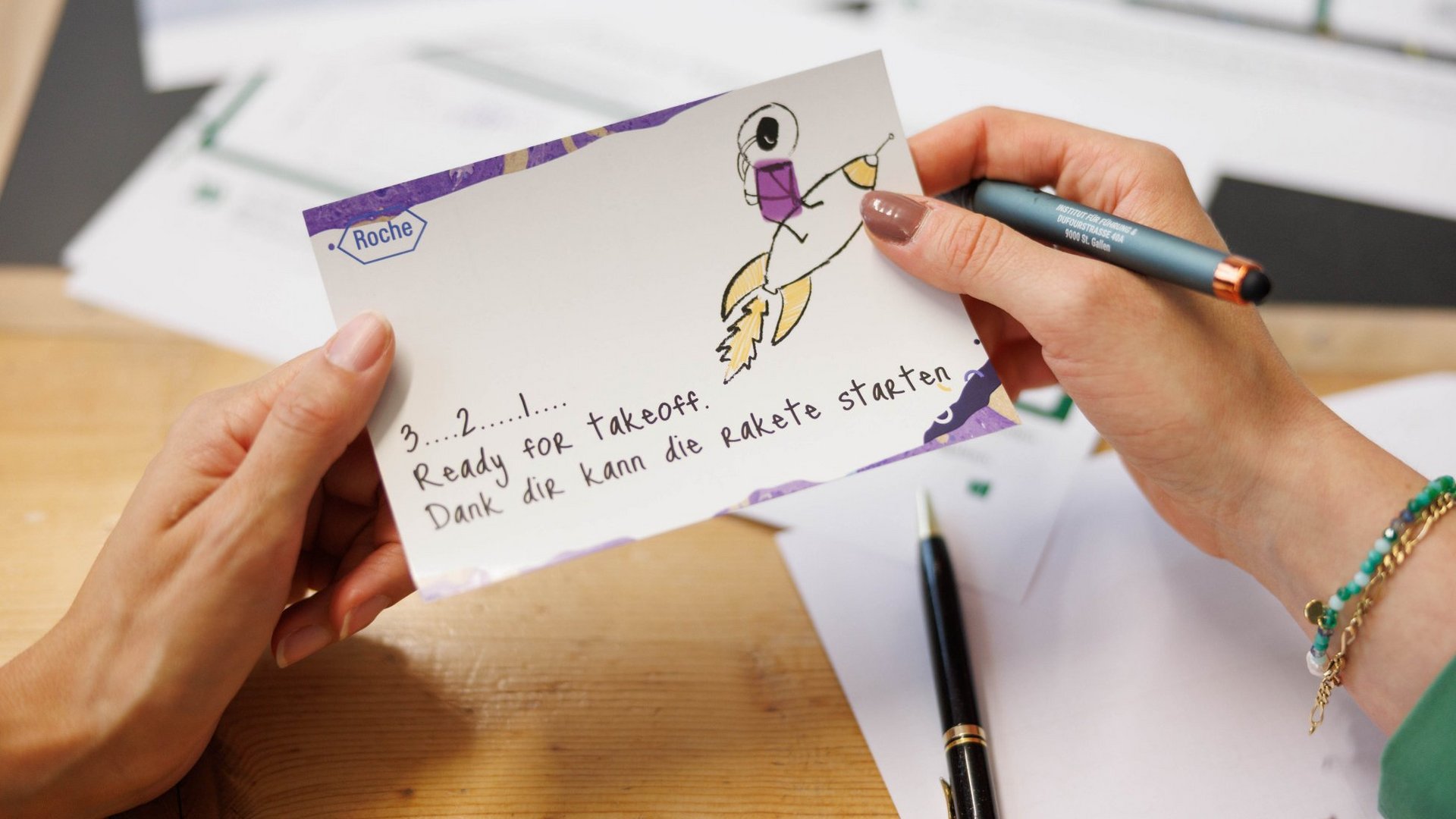
The project placed its research focus for the first time on the implementation of shared leadership in large companies with the complex task of reconciling competing demands for efficiency and innovation. As part of her doctoral thesis, Lena Rudolf initiated and led the research project and, together with her colleague Sophie Klüser, investigated how modern forms of leadership and work can be implemented in part of a large company at the Roche site organisation in Basel/Kaiseraugst. The focus was on how the new form of leadership affects performance, health and cooperation. From autumn 2023 to summer 2024, the two postdoctoral researchers, together with Professor Heike Bruch, provided scientific support for the transformation process at the site organisation, which has 1,500 employees. The aim of the transformation process in the work area was to create a new work and organisational model with purpose orientation, shared leadership and role-based work – in a very diverse working environment with complex requirements: "The fact that we have the entire spectrum from innovation to efficiency and precision under one roof in an organisational unit of this size, with standardised processes and increased time pressure, is unique and has been scientifically investigated for the first time in connection with shared leadership," says Heike Bruch.
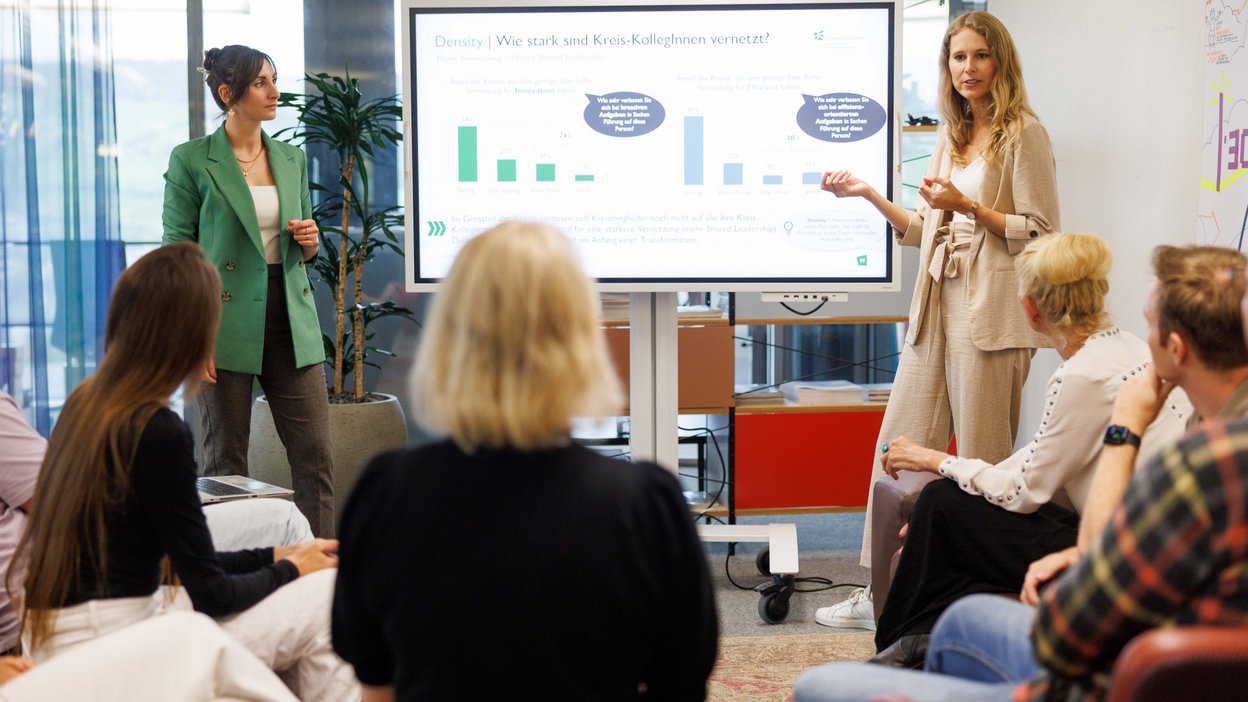
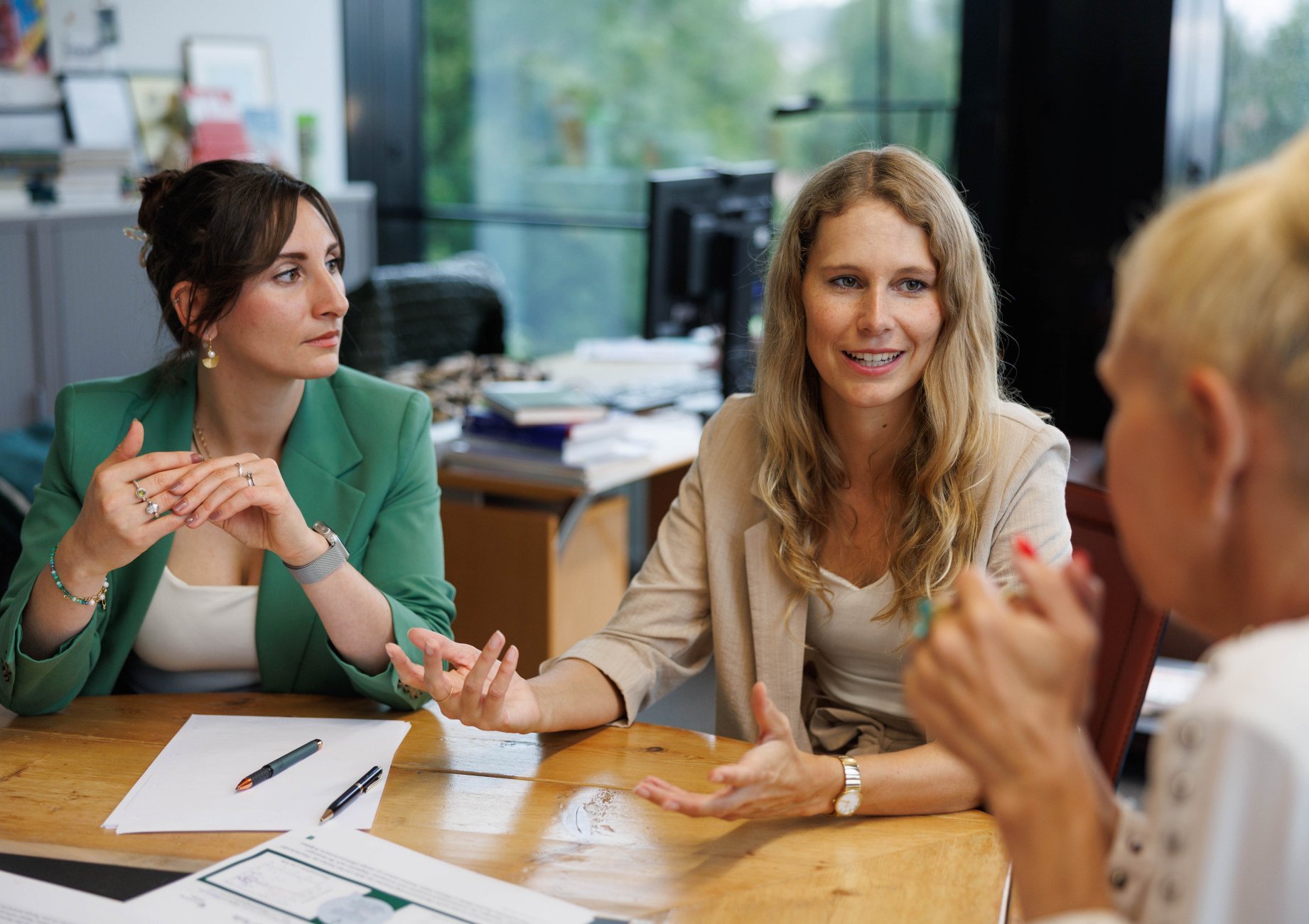
To examine the dynamics in shared leadership teams, Lena Rudolf and Sophie Klüser not only collected survey data, but also conducted network analyses. In the context of shared leadership, social network analysis makes it possible to examine how people or groups interact – with a specific focus on which team members rely on each other for certain tasks. This enabled them to identify who takes on leadership roles at the team level, when and why. The results show that a shared vision, productive energy and psychological safety are important drivers for the successful implementation of shared leadership. In terms of psychological safety, this means that opinions and criticism can be freely expressed within teams and that a positive culture of error is established.
Individual strengths also have a higher value in the shared leadership model than in traditional hierarchical leadership. This results in a task-based distribution of leadership based on the individual abilities of team members. "When daily tasks and talents match, it has a positive effect on team performance and reduces individual overload," says Lena Rudolf. Sophie Klüser adds: "At a time when more than half of all managers are emotionally exhausted, shared leadership can offer a countermeasure by distributing responsibility and decision-making across several shoulders. Especially in large companies, where innovation and efficiency are in demand, the challenge is to promote employee health and satisfaction while ensuring productivity." Last but not least, the focus on individual strengths is also a success factor for employer branding: "When employees are more involved in decisions and are encouraged, it increases the attractiveness of the employer," notes Heike Bruch.
The researchers unanimously describe the desire to make the world of work contemporary and meaningful, thereby contributing to the solution of social challenges, as the fundamental motivation for their scientific research on shared leadership – in line with the university's vision of "From Insight to Impact". Leadership approaches always reflect social upheavals and trends. Shared leadership is also a mirror of society, says Lena Rudolf: "The realisation that major challenges can only be solved collectively has also reached leadership research and practice. By attempting to involve all stakeholders and bear responsibility collectively, the basic social principle of participation is reflected in the organisational context." Research shows that organisations with shared leadership are not only more innovative because different perspectives are incorporated into the solution-finding process, but also that efficiency and well-being can be increased when leadership tasks are shared in a context-specific manner. However, shared leadership also carries the risk of uncontrolled growth if no one is coordinating and prioritising upcoming tasks: the trend towards "unbossing", i.e. the dismantling of traditional leadership structures, does not mean that structures and guidance are no longer necessary, according to Sophie Klüser. More than ever, organisations with flat hierarchies need clear orientation through a common goal, the targeted development of management skills and self-efficacy – as well as a conscious sharing of leadership so that no leadership vacuum arises, adds Lena Rudolf.
“Research shows that organisations with shared leadership are not only more innovative because different perspectives are incorporated into the solution-finding process, but also because efficiency and well-being can be increased.”
So is shared leadership the recipe for success in the future? "Shared leadership is not a panacea, but it is a possible response to the realities of the new world of work," summarise Lena Rudolf and Sophie Klüser. However, Heike Bruch emphasises that one thing is essential for developing a modern working environment with a contemporary leadership style: "Shared leadership is not an alternative to modern hierarchical leadership. On the contrary. The most important success factor for shared leadership is a modern leadership culture. This is because empowering and inspiring leaders actively promote shared leadership in their teams. However, almost half of all companies are currently overwhelmed because they have not developed their leadership and culture." So the rule is: culture first, structures second. With flatter hierarchies, more leadership and self-organisation, shared leadership embraces the values and behaviours of today's society and Generation Z. The leadership model thus offers an opportunity to complement modern leadership and actively involve teams in shaping the working world of tomorrow.
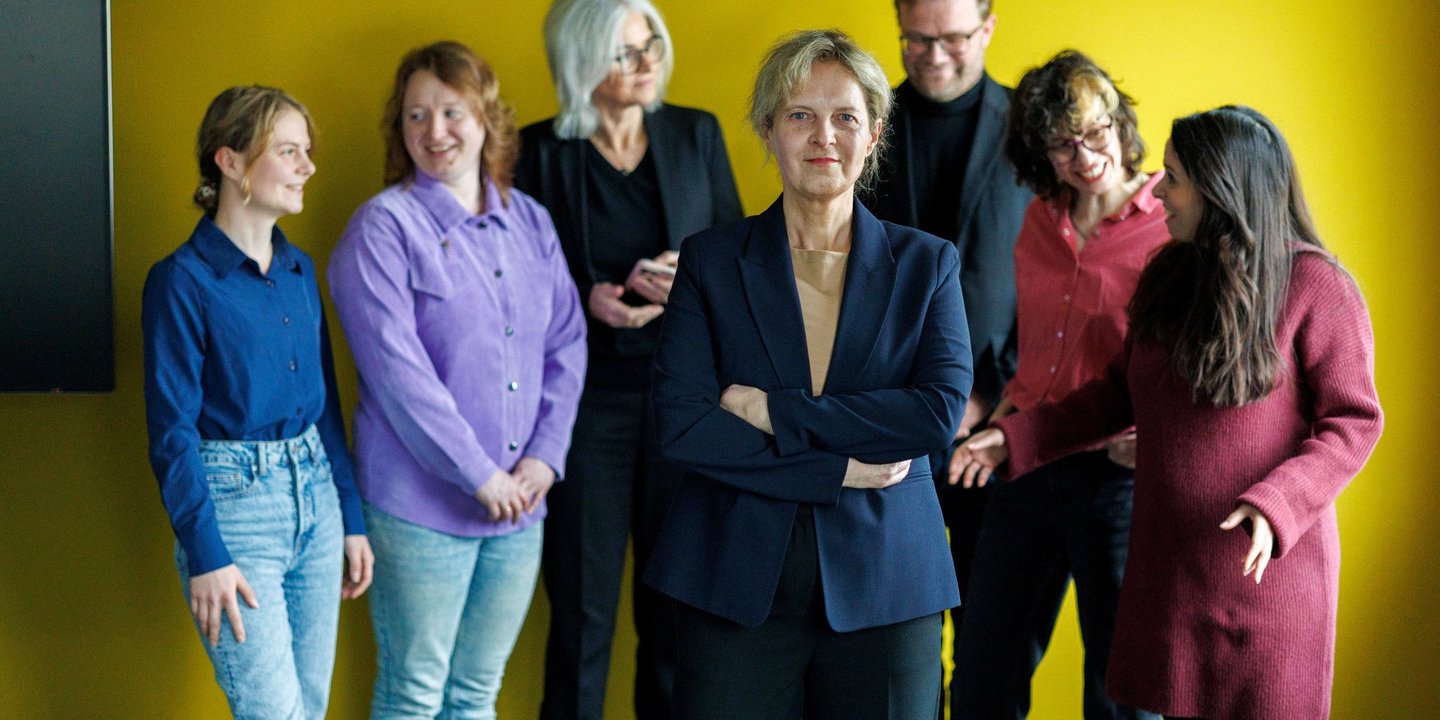
The "Shared Leadership Dynamics" research project, conducted in collaboration with the Roche site organisation in Basel/Kaiseraugst, is based at the "Pioneering - Future Leadership and Work" consortium at the Institute for Leadership and Human Resource Management (IFPM-HSG), where the institute supports companies in developing sustainable solutions for the world of work 4.0. The Pioneering network's approach is shaped by the vision of consistently placing people at the centre of the new world of work. Forward-looking companies engage in academic exchange with the IFPM team in order to shape the working world of tomorrow and develop responsible leadership concepts.
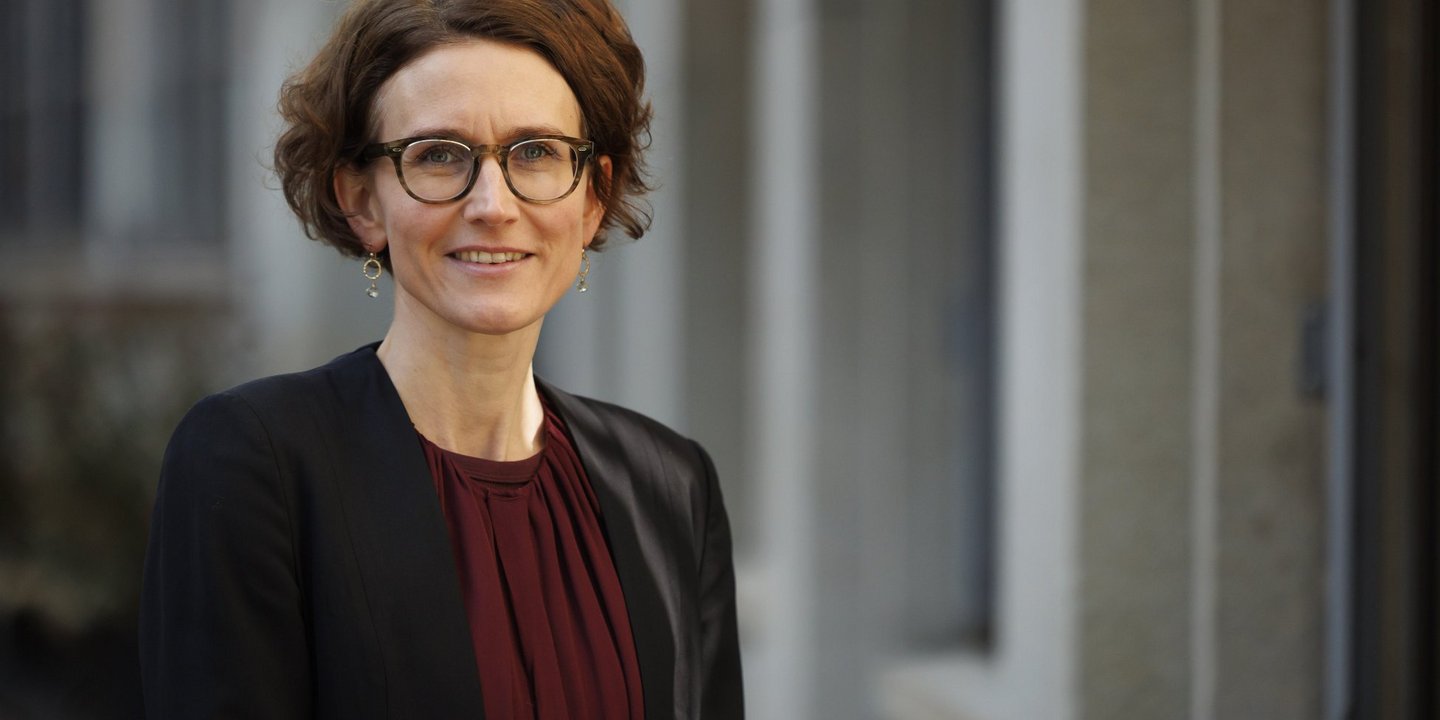
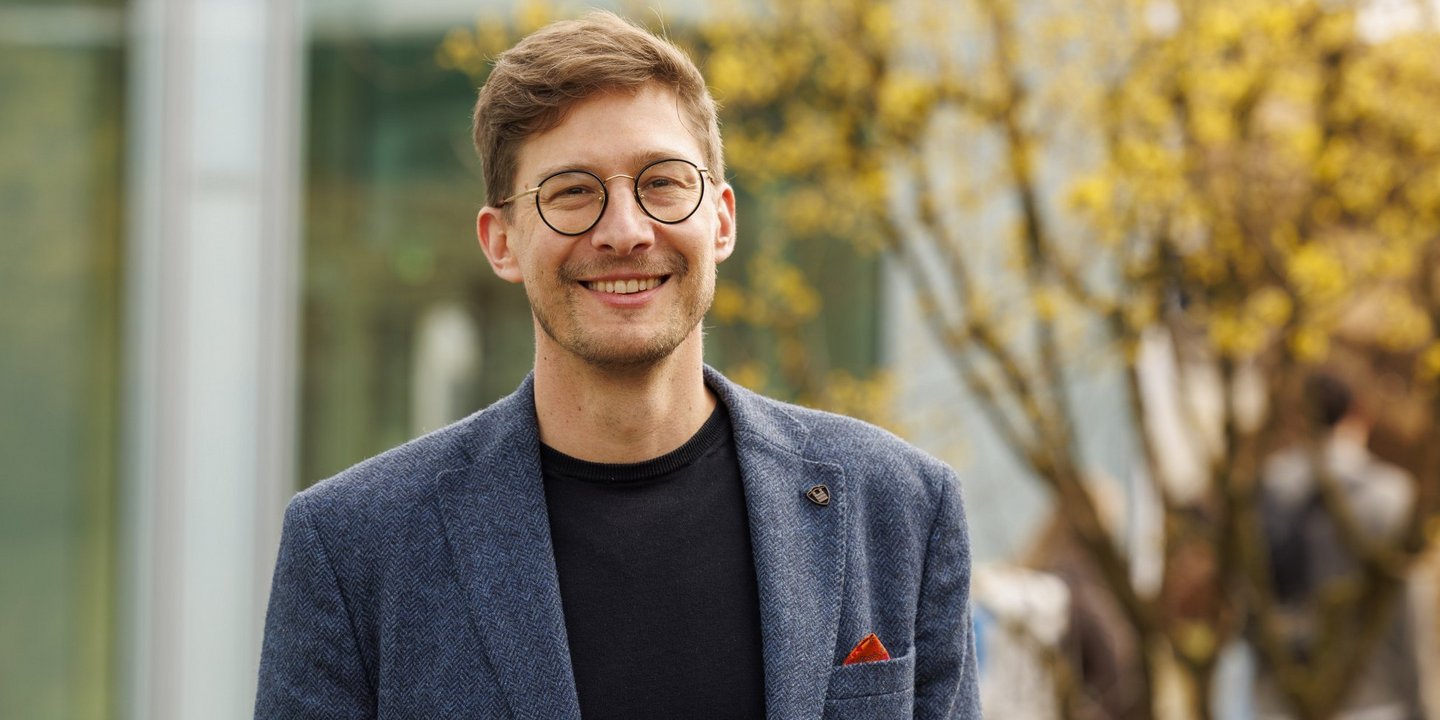
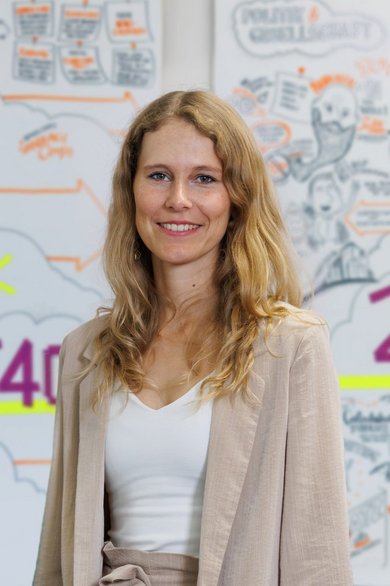
Prof. Dr. Heike Bruch
The director of the IFPM-HSG, Heike Bruch, conducts research on modern leadership, future work & culture, and energy and healthy high performance. The professor of leadership investigates how modern leadership and corporate culture promote innovation, speed and adaptability. The multi-award-winning expert in human resources research is one of the leading scientists in human resource management in the German-speaking world.
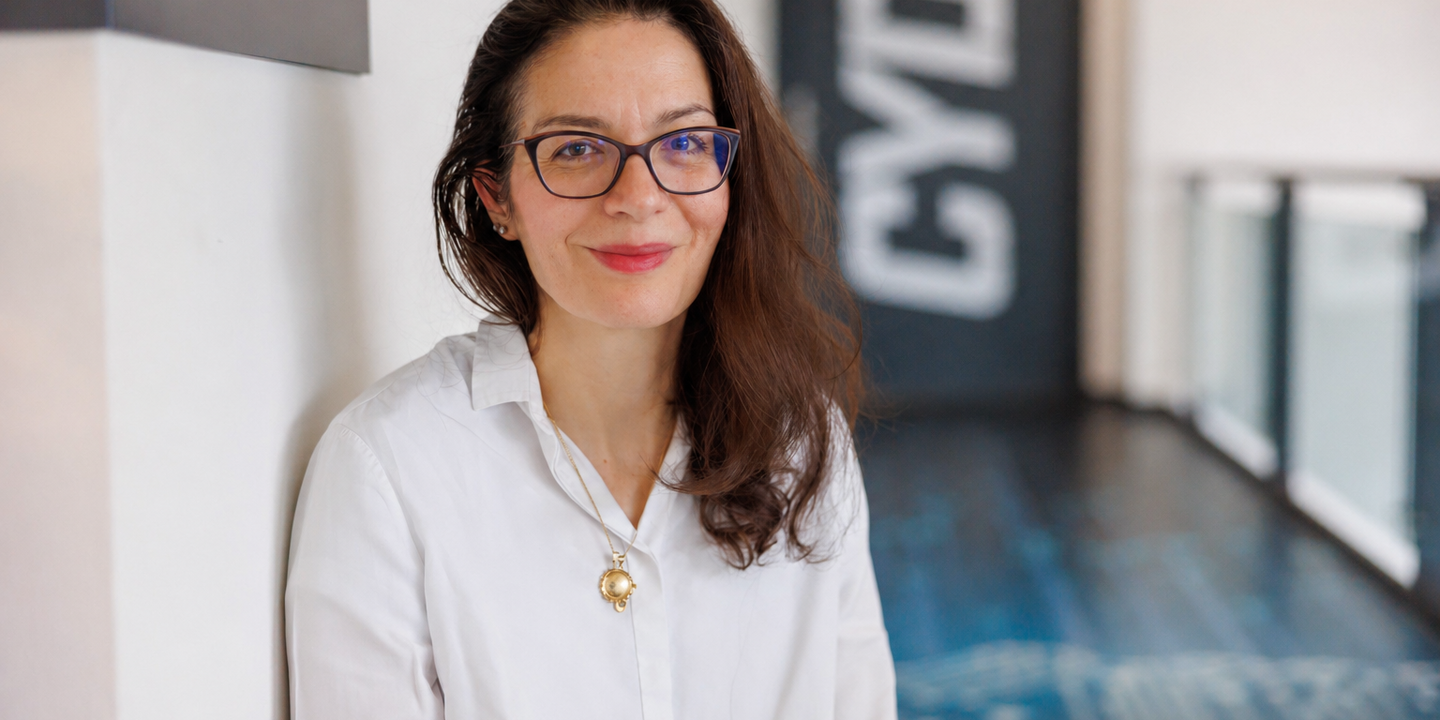
Dr. Lena Rudolf
Lena Rudolf is a postdoctoral researcher and research associate at IFPM-HSG. As a psychologist, she researches shared leadership in ambidextrous work contexts, new forms of leadership and organisation, and social network analysis. In her doctoral thesis Shared Ambidextrous Leadership: Fostering Innovation, Performance and Well-being – An Analysis on Multiple Levels, Lena Rudolf introduces the concept of shared ambidextrous leadership and examines the influence of this leadership model on innovation, performance and health.
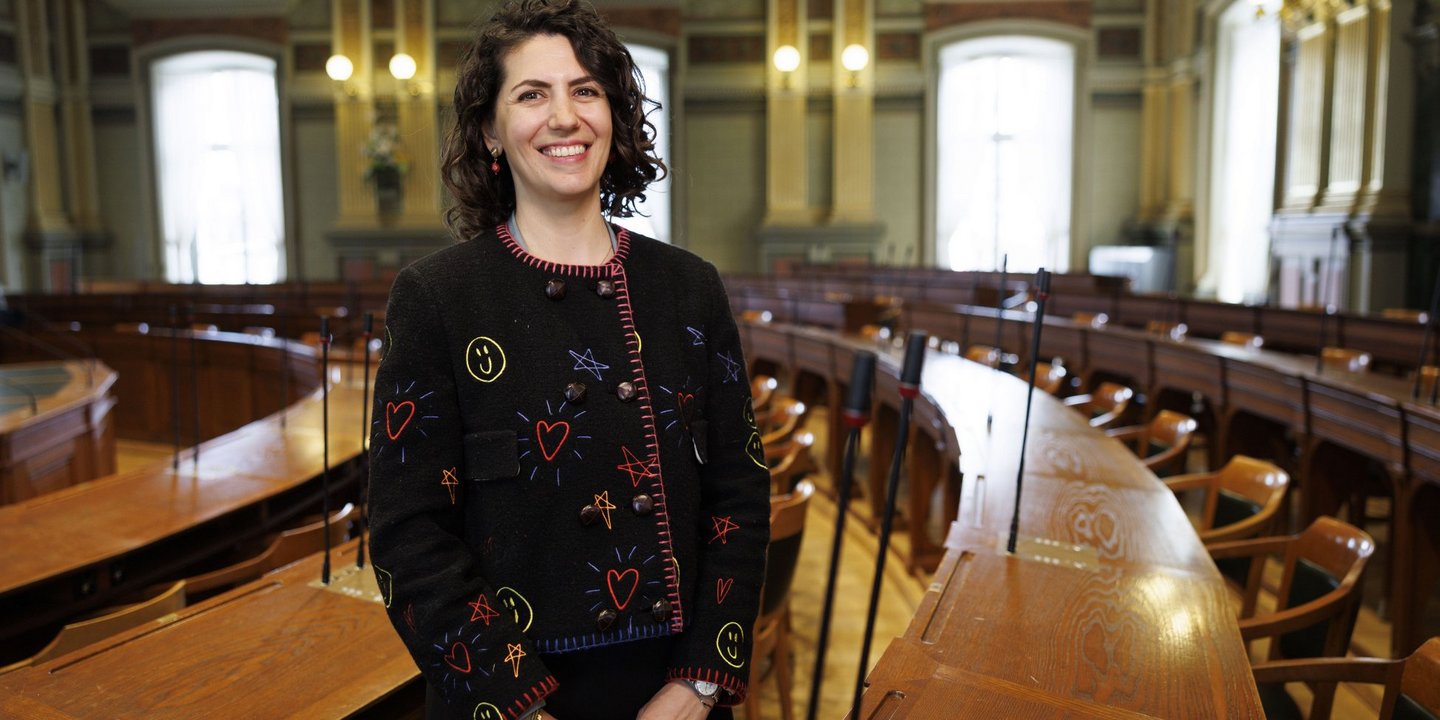
Dr. Sophie Klüser
Sophie Klüser is a research associate and lecturer at IFPM-HSG as part of the Great Minds Postdoctoral Fellowship Programme. As a management scientist, she researches performance and health in paradoxical work contexts and the influence of AI disruption on modern leadership. Her doctoral thesis Microfoundations of Ambidexterity: A Multilevel Perspective on Drivers, Consequences and Boundary Conditions examines the interplay of mindset, leadership and organisational context for a healthy and successful approach to ambidextrous requirements.
Ambidextrous (two-handed) leadership describes the ability of managers to efficiently manage the core business on the one hand and create space for innovation and change on the other. For large companies, this is crucial for sustainable success and positioning themselves for the future. Ambidexterity requires a conscious balancing of stability and change – for example, through flexible structures and appropriate leadership cultures such as shared leadership. Research in the "Shared Leadership Dynamics" project shows that shared leadership can also be implemented in large organisations with complex requirements. The newly introduced concept of shared ambidextrous leadership has gained international recognition in management research: in her doctoral thesis, Lena Rudolf analysed how "shared ambidextrous leadership" can promote innovation, performance and health in equal measure.
A key finding of the research conducted by Lena Rudolf, Sophie Klüser and Heike Bruch is that innovation- and efficiency-oriented departments require different conditions for successful leadership sharing and collaboration. Efficiency-oriented business areas are characterised by greater time pressure and a dense network of norms. The leadership structure must be adapted to daily tasks so that they can meet the demands of the outside world. In the efficiency sector, active investment in a culture of trust is required, whereas in the innovation sector, this is usually already more firmly established.
Prof. Dr. Heike Bruch ist Direktorin des IFPM-HSG und forscht zu modernem Leadership, Future Work & Culture sowie Energie und gesunder Hochleistung. Dr. Lena Rudolf ist Postdoktorandin und wissenschaftliche Mitarbeiterin am IFPM-HSG. Dr. Sophie Klüser ist im Rahmen des Great Minds Postdoctoral Fellowship Programms wissenschaftliche Mitarbeiterin und Lehrbeauftragte am IFPM-HSG.