Background - 07.05.2026 - 16:15
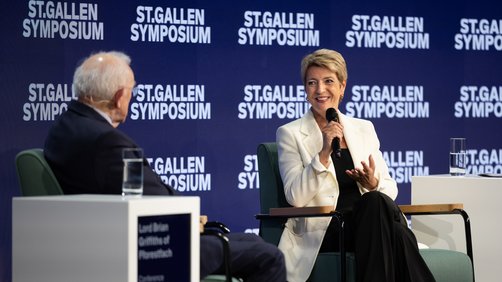
On May 6-7, 2026, international leaders from business, academia, and politics gathered at the University of St.Gallen to discuss the theme "Disrupted Age". Many sessions at the Symposium focused on a fractured global order. Academics from the University spoke on such topics as China, AI, social order, life-design and longevity.
China is doubling down on AI and advanced industries and is integrating its technological capabilities in industrial and the services sector thus shaping broader global economic dynamics. If China is making massive strides, how can the EU position itself to benefit?
Director of the HSG China Competence Center Prof. Tomas Casas Klett had this to say: "China's approach to managing growth via continuous structural reforms stimulates sustainable value creation." He noted that the 15th Five-Year Plan, from 2026 to 2030, might be seen in this light and is designed to ensure that China benefits substantially from the AI era.
He also stated that Switzerland and its firms are enjoying productive exchanges and business with China, as is described in the most recent Swiss Business in China Survey . Switzerland’s experience in China offers a valuable reference for how Europe can harness a mutually beneficial relationship with China to advance its own growth.
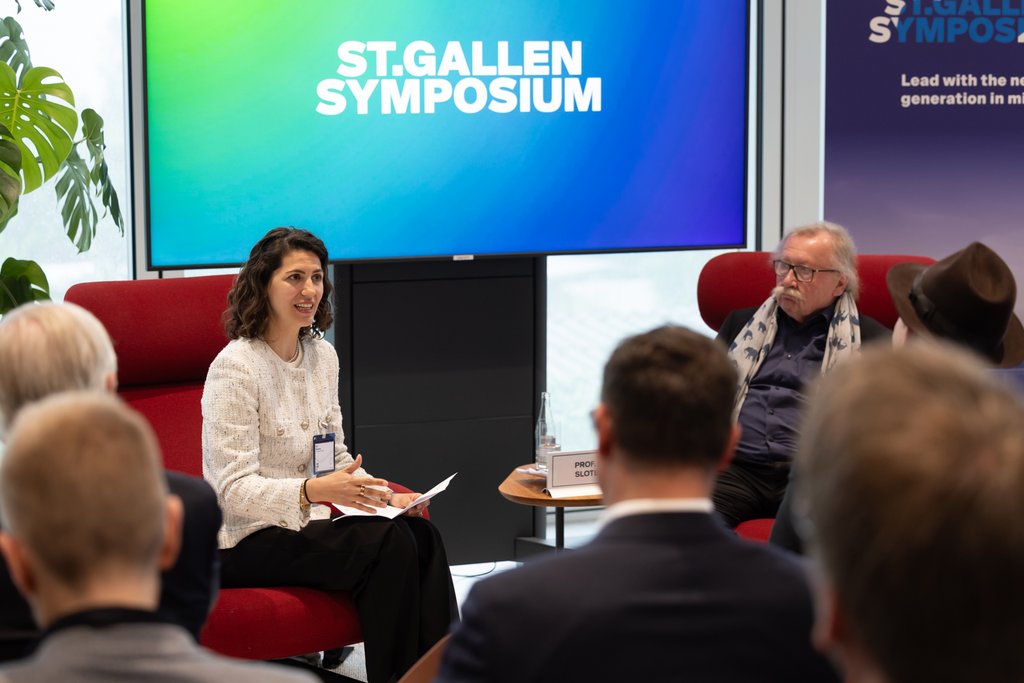
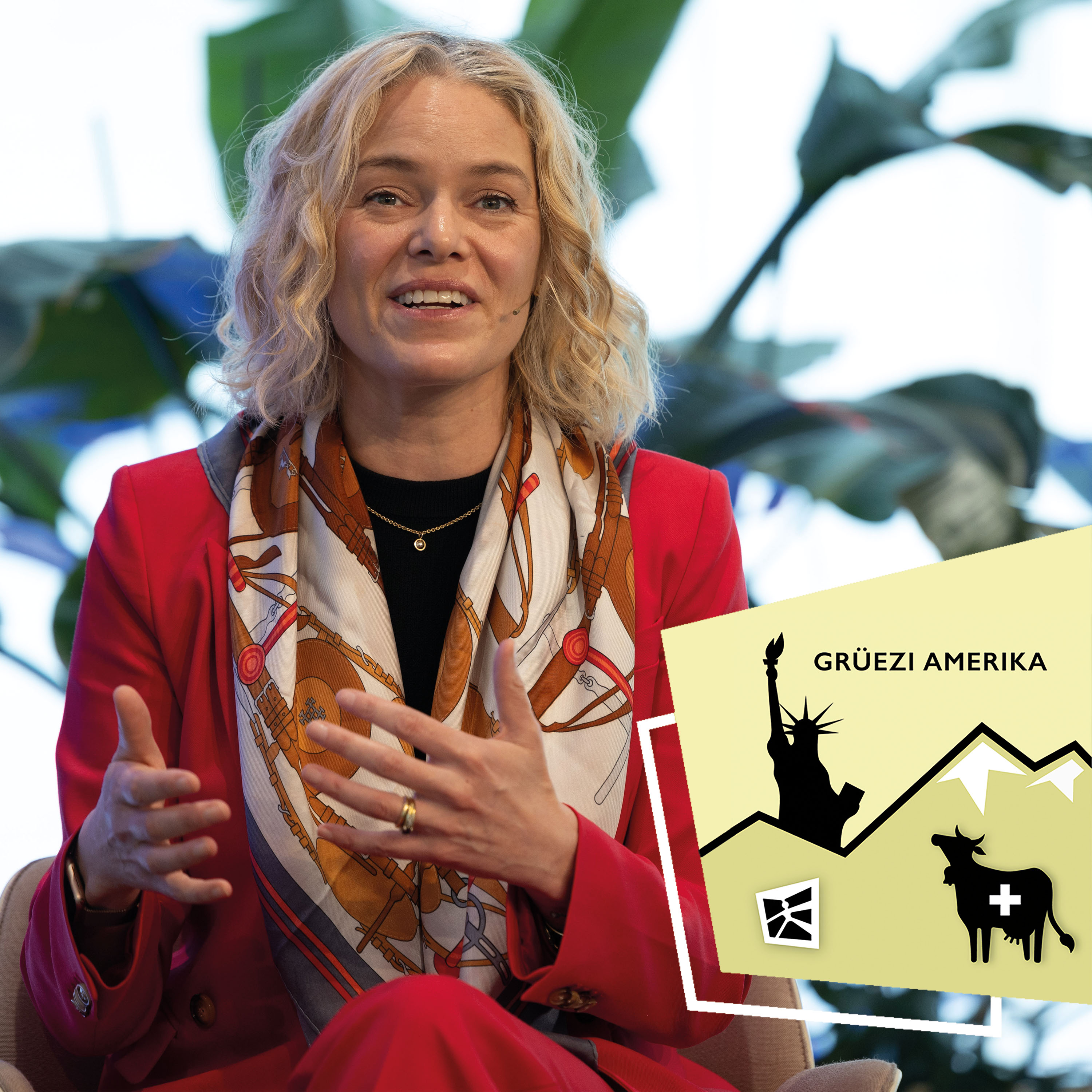
In the session Return of the Kings, HSG Assistant Professor Eri Bertsou engaged in conversation with German Philosopher Peter Sloterdijk on the global resurgence of personalised political leadership. Bertsou reflected on what the return of the visible "prince" on which post-war democracies have long relied. Drawing on research in political behaviour and democratic legitimacy, she examined what may be lost when authority shifts from institutional expertise to personalised leadership. Bertsou raised a more fundamental question: whether the challenge lies in citizens growing tired of institutions, or in institutions no longer being perceived to deliver for them.
Prof. Oliver Gassmann’s panel Europe Unplugged – Is Digital Sovereignty More Than Cloud Dreams? explored the growing importance of digital sovereignty in an increasingly fragmented geopolitical and technological landscape.
Gassmann framed the debate by pointing to a fundamental paradox: "Europe has benefited enormously from openness and global technology integration—but now seeks greater sovereignty. The key question is whether we are trying to de-risk globalization or reverse it."
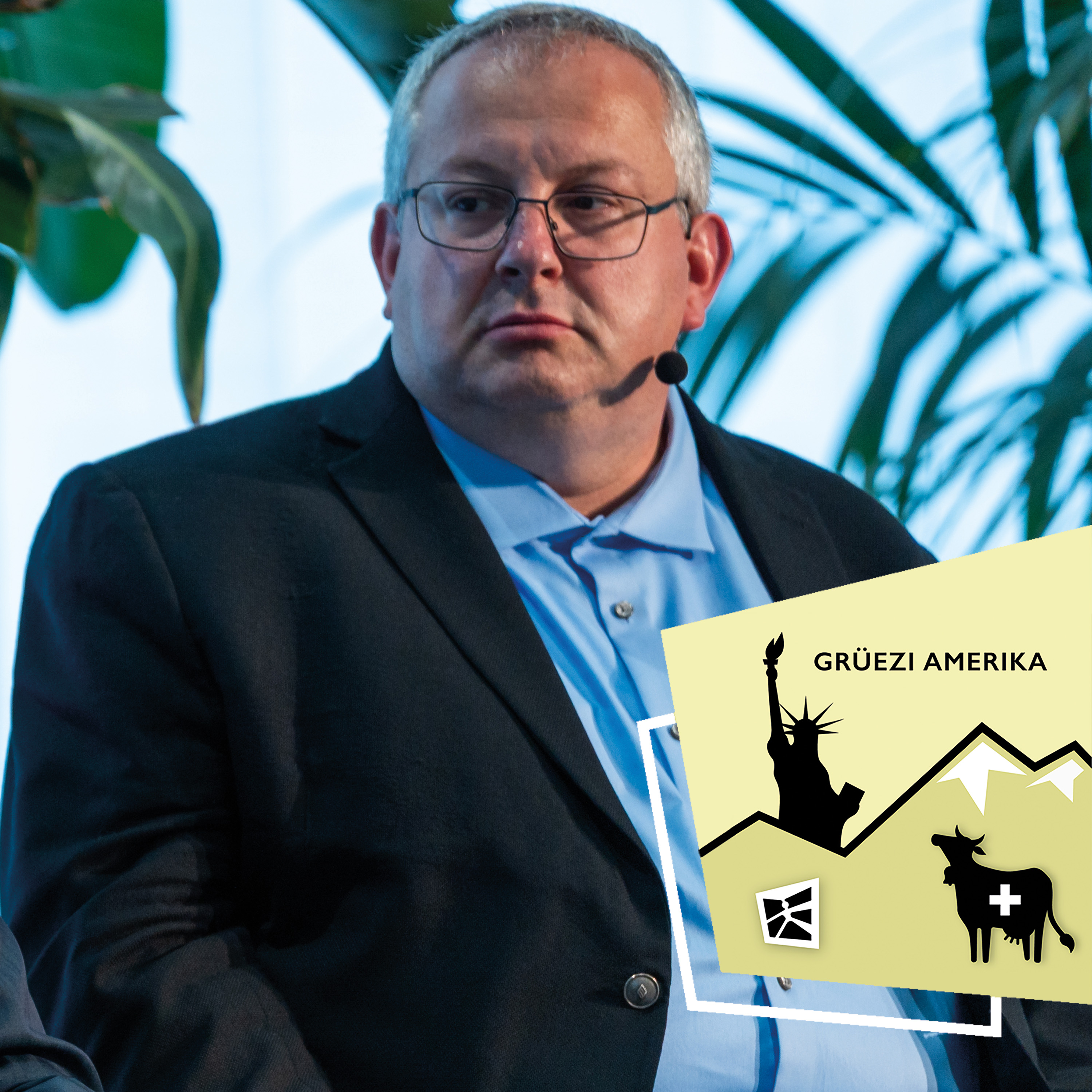
He further highlighted structural challenges within Europe’s innovation ecosystem. "Europe regulates technology exceptionally well, but struggles to build global tech champions," Gassmann noted. He also underscored Europe’s dependence on non-European providers. 70% of European cloud business is provided by US companies Microsoft, AWS, and Google. There is also no European company which produce chips on the level of Nvidia.
Prof. Dietmar Grichnik participated in a panel on longevity. Under the title Reprogramming Life – TheTechnology Powering the Longevity Revolution, he urged the audience to not confuse marketed promises with scientific evidence. At the same time, he stated that the evidence alone is not enough without considering how the interventions may or may not fit the individual. He said, "The most important longevity intervention may be critical thinking: asking what is proven, what is personalized, and what is merely promised."
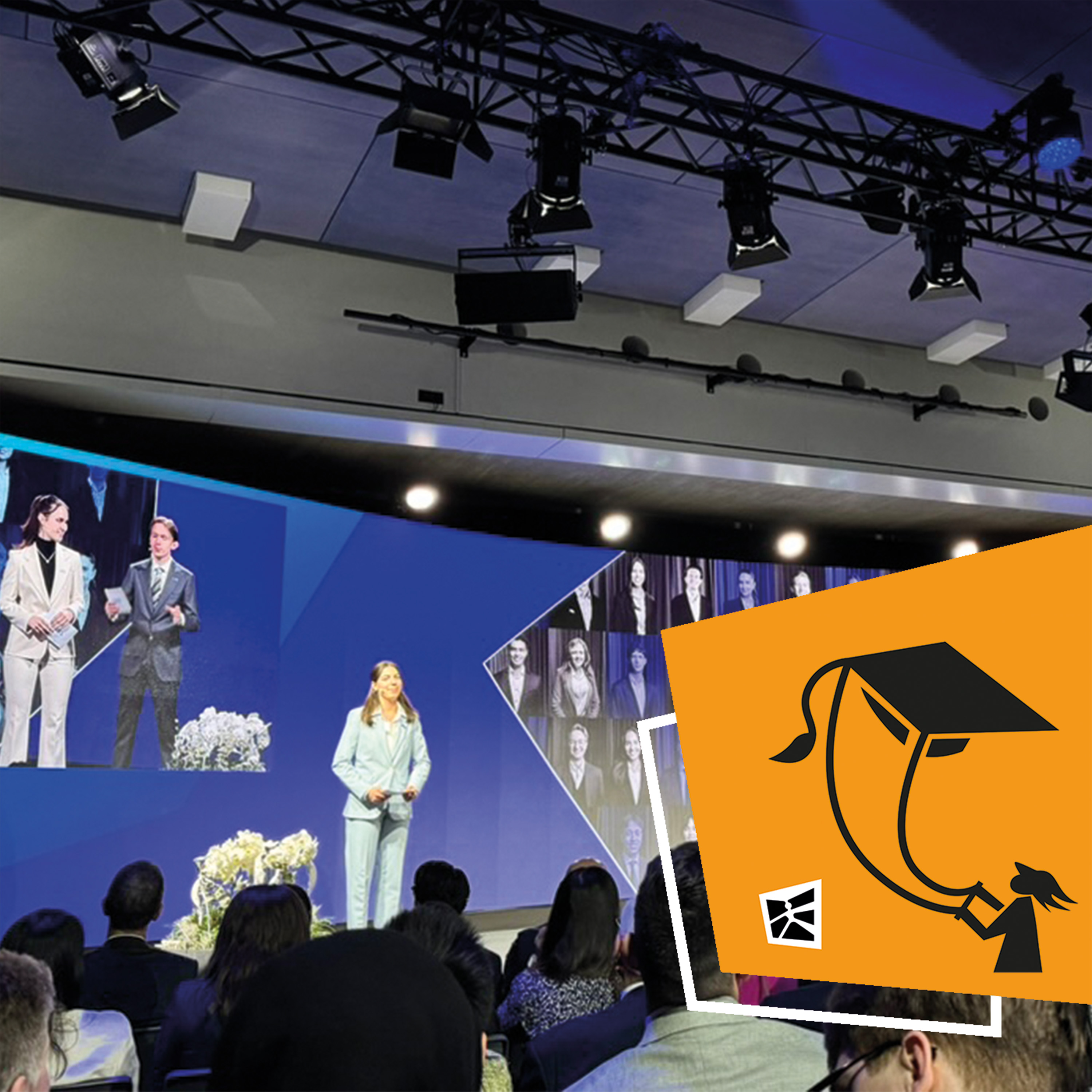
In the session Shaping the Future of Cross-Generational Dialogue HSG Assistant Professor Sebastian Kernbach discussed how meaningful dialogue between generations can be strengthened in times of conflict. Kernbach related his experiences as a life-design researcher and expert. He pointed out that while society is changing rapidly, most individuals are poorly equipped to navigate career and life transitions. In his research and most recent book he explores explore how people can develop the mindset to shape transitions rather than merely react to them.
More articles from the same category
This could also be of interest to you
Discover our special topics