Events - 21.04.2026 - 11:00
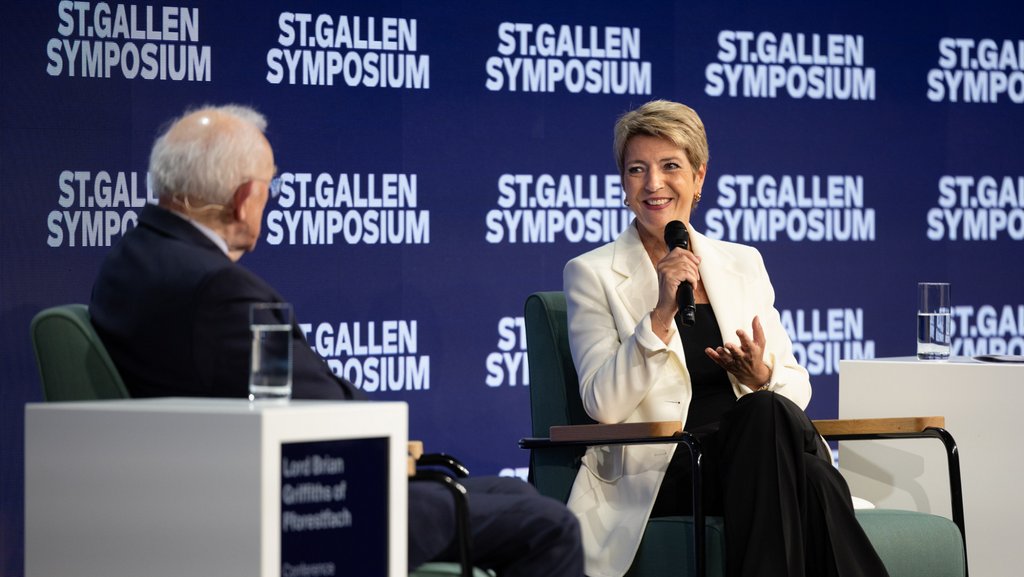
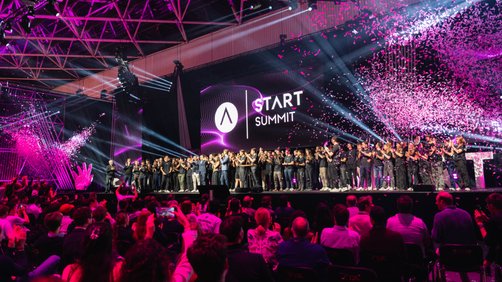
Presidents, Federal Councillors, activists, Nobel laureates, managers and entrepreneurs – for over 50 years, the St. Gallen Symposium has been bringing distinguished guests to St.Gallen to address global challenges and to foster dialogue between generations. This exchange is becoming increasingly important, particularly in a “Disrupted Age”, where established certainties are being challenged and decision-making processes are taken place amid uncertainty. The Symposium sees itself not merely as a platform for analysis, but as a venue where concrete courses of action are discussed. From securing global supply chains to shaping future models of innovation and society.
Many leading figures will once again be guests on the St.Gallen campus in May to discuss issues with students from all over the world. “Our aim is to challenge established perspectives with new ideas and, in doing so, capture the spirit of our times. We want to develop solutions together for an increasingly complex world,” says University of St.Gallen student Lena-Sophie Vogt. The co-president of the International Students’ Committee (ISC) is organising this year’s conference together with around 30 students from the University of St.Gallen.
A glance at the programme reveals the thematic breadth and topicality of the debates, accompanied by exclusive research findings. Panel discussions will include a focus on subjects such as “Trade, Tariffs, and the Future of Globalisation” and “The Cost of Money: Europe’s Markets in a New Monetary Era”. They will be complemented by discussions on digital sovereignty, geopolitical fault lines in the Middle East, and the future of transatlantic relations. Interactive formats address questions such as “The New Geometry of Power” or the ethical limits of technological progress. Numerous CEOs, executives from SMI, DAX and multinational companies, as well as a good dozen governments from around the world, will gather in St.Gallen for the conference.
Speakers for 2026 include:
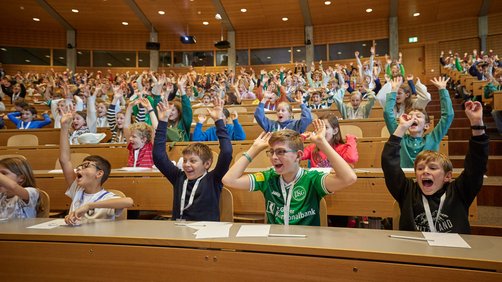
These young talents qualify to participate in the Symposium via a global essay competition. This year, participants in the Global Essay Competition addressed the question: “Technology, politics and demographics in flux: what happens when these forces collide? And what can minimise the risks?” The essay competition attracted an exceptionally high number of entries from young people around the world; the top 25 essays can already be read here. Time and again, winners of this competition and members of the conference organising team go on to achieve remarkable things: take Philipp Navratil, for example, who was a member of the Student Committee in 1998 and is now a guest speaker in his capacity as CEO of Nestlé.
Other former participants are also influencing international debates and returning to St. Gallen in new roles: These include Martin Blessing, Germany’s Investment Commissioner and former member of the ISC team; Jagdish Karel, who has taken on political responsibility in Nepal; and Emma Theofelus, Namibia’s Minister for Information and Communication Technology. These individuals' careers demonstrate how 'Leaders of Tomorrow' are becoming the influential voices of today.
The University of St.Gallen is also contributing its academic perspective to the debates: researchers such as Tomas Casas Klett (geopolitics and China), Leena Grover (human rights), Oliver Gassmann (innovation), Damian Borth (AI and technology), Claudia Brühwiler (USA), Dietmar Grichnik (Entrepreneurship), Eri Bertsou (Democracy and Politics) or Sebastian Kernbach (Leadership) provide insights into questions relating to the conference theme. Their contributions combine academic research with practical experience from business and politics, enriching international discussions with a well-founded, interdisciplinary perspective. In this way, the University of St.Gallen contributes to making sense of complex global developments.
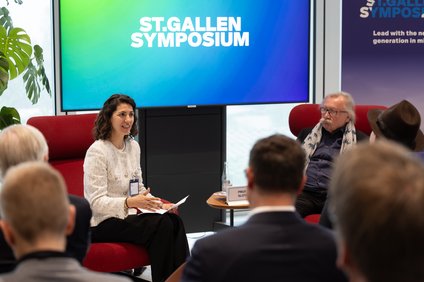
From 3 to 7 May 2026, “SGS in Town” will once again bring international guests together with the city’s residents. A total of seven events will take place in cafés and pubs in the old town, including a concert and a visit to the St.Gallen Abbey Archives. Panellists will include:
“With the St. Gallen Symposium and the public programme in the city, we are positioning St.Gallen as a global hub for dialogue with a diversity of international perspectives,” says Dr Gunnar Hauptmann, programme director and designated managing director of the St. Gallen Symposium. The events in the city encourage social exchange in an inspiring atmosphere. Advance online registration for “St. Gallen Symposium in Town” is recommended.
You can find the latest details on the website regarding the programme and all speakers.
More articles from the same category
This could also be of interest to you
Discover our special topics