Research - 13.05.2026 - 09:30
While most widely used statistics such as GDP and national unemployment figures capture a snapshot of the past, the EQx compiles its data to paint a forward-looking picture, essentially, the current sustainable value creation of nations which results from decisions at elite business models made today and affect the future. In the Elite Quality Index, the term “elite” refers to those business models that have generated the most income – from the financial and corporate world to trade unions and public administrations.
Perhaps not surprisingly Asia dominates the EQx2026. Singapore remains at #1, Japan climbs to #3, Korea holds strong at #6 and China surges to #11 while India, Indonesia, and Vietnam continue their impressive rise. Asian economies show that strong investments in technology, physical and social infrastructure will place them in positions to sustain progress and growth.
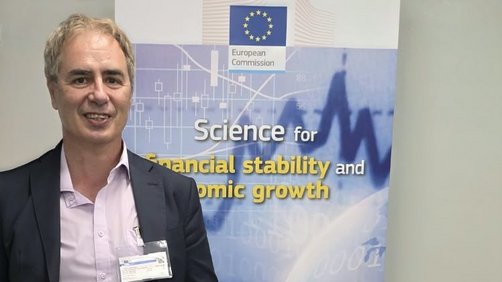
Besides Asia there is another key finding: “This year it has become increasingly clear that innovation and AI play a significant role in determining a country’s current growth and future success. Countries whose elites invest proactively in intelligence infrastructures are already seeing the rewards,” said EQx co-author Guido Cozzi.
Specific results include:
Elites at the helm of business models typically play a disproportionate role in shaping how society functions because they coordinate and allocate resources. When elites use their power to create value, they increase the pie and a country thrives; when they use it to extract value and instead focus on their slice, stagnation follows and social upheaval becomes more likely.
The EQx consolidates data from 148 international economic, political, and financial organisations such as the World Bank and the United Nations to capture the sustainable value creation of value extraction occurring in artificial intelligence, the environment, in trade, finance and security systems.
The Elite Quality Index 2026 edition as well as the previous six years of data are available as an interactive, easy-to use digital resource, popular with students, journalists and the general public.
More articles from the same category
Discover our special topics