
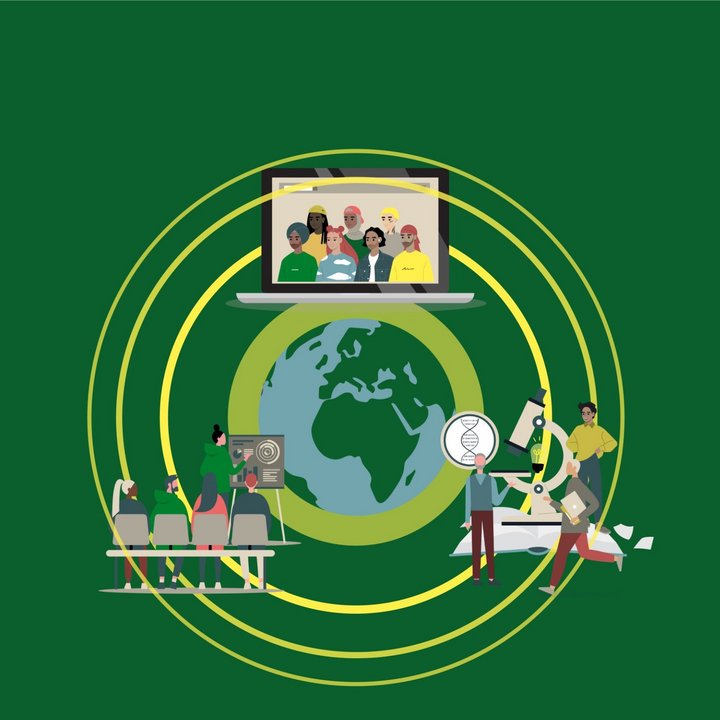
Open Science combines various movements and practices aiming to make scientific knowledge openly available, accessible, and reusable for everyone, to increase scientific collaboration and the sharing of information for the benefit of science and society, and to open the processes of scientific knowledge creation, evaluation, and communication to societal actors beyond the traditional scientific community.
(1) Transparency Making research traceable. Research becomes transparent through practices such as preregistration, registered reports, Open Data, and Open Source software. All of these Open Science practices target a more open and inclusive research lifecycle, from the inception of a project to its dissemination. Transparency in research is increasingly expected by major funders, leading journals, and evaluation bodies, and is central to maintaining scientific credibility, public acceptance, and the responsible use of public funding. | 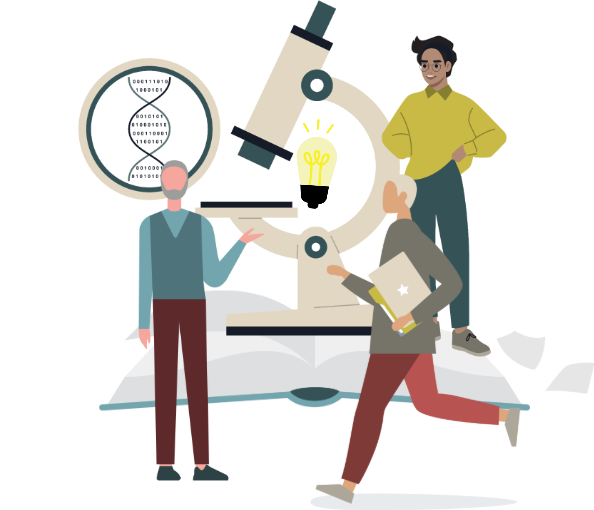 |
 | (2) Sharing Making research accessible and usable. Research becomes accessible through Open Access publications, Open Protocols, materials and code, and through conducting and presenting research with citizens outside of universities in mind. All of these practices foster a research environment that facilitates collaboration across research teams, but also with citizens beyond these borders. By actively sharing publications, data, materials, and code, these practices lower barriers for industry partners, enable faster translation of research into applications, and support evidence-based innovation beyond academia. |
(3) Inclusivity Involving and crediting more contributors to research. Research becomes inclusive through practices such as Citizen Science and Team Science. They bridge the gap between research teams and citizens outside of universities. Open Science also fosters more inclusive practices by removing research paywalls through preprints and Open Access publication. This also facilitates the inclusion of industry partners and public organizations such as governments and NGOs, which benefit from Open Science. |  |
Open Science strengthens the quality, visibility, and credibility of your research and is increasingly decisive for funding success. Transparent practices support reproducibility, reduce errors, and align your work with the expectations of major funders, leading journals, and evaluation bodies.
Open Science therefore supports long-term projects, facilitates collaboration, and increases reach and citation potential while reducing duplication and publication bias.
Open Science also enhances teaching through Open Educational Resources (OER), Open Data, and Open Source code that allow students to work with real research materials, promoting transparency, critical thinking, and reproducibility skills that are increasingly central to academic and non-academic careers.
At the same time, reusing and adapting existing open materials can reduce preparation time, support collaborative course development, and improve alignment between teaching and current research practice.
Open practices ensure that research outputs and participant contributions create lasting value through reuse. Open Science supports more efficient research workflows, facilitates collaboration with external partners in industry, and increases the societal and policy relevance of research outputs.
Much of the content on this page is adapted from resources provided by the Center for Open Science, published under a CC BY 4.0 licence, and the UNESCO Recommendation on Open Science, available under a CC BY-SA 3.0 IGO licence. We sincerely thank these organizations and their contributors for making this valuable information freely available.