Research - 03.02.2026 - 09:00
Brazil isn't unique in this regard—it's a global phenomenon. What makes it analytically valuable is the visibility of the problem, the data we've generated, and the combination of colonial history, deep inequalities, and widespread social media adoption. Brazil has about 90% internet penetration; 95% of users use WhatsApp daily, and average social media use exceeds 3.5 hours per day. While general prevalence is statistically comparable to global rates, Brazil shows unique severity in specific categories, ranking seventh globally for online sexual harm. The psychological impact appears particularly acute—the country ranks at the top tier for reports where online violence affects physical safety, mental health, and the desire to live. Feminist academics like Débora Diniz faced such sustained attacks that they went into exile. Misogyny in Brazil is also inextricably linked with racial hierarchies, reflecting heightened vulnerability of Black and Indigenous women.
We saw both an increase in online misogyny and a transition from lack of public recognition of the problem to open discussions of the matter. In 2011, we saw the start of a "Feminist Spring", which also targeted online violence, while at the same time, there was a conservative backlash to this. Extreme-right politics also normalized misogyny in political discourse. Legally, this era saw juridification through legislative landmarks named after victims, such as the Carolina Dieckmann Law (2012) and Rose Leonel Law (2018). I map eight laws approved as direct responses to technology-facilitated gender-based violence. Recently, concerns have expanded toward gender-based political violence and AI-automated harm.
Bolsonaro's defeat removes a figure who weaponized misogynistic discourse. However, he didn't create Brazilian misogyny—he only amplified it. The “machosfera” remains a robust, highly monetized ecosystem. While the current government prioritizes addressing gender-based violence, implementation remains weak. However, in 2025, the Brazilian Supreme Court redefined platform liability by establishing specific duties of care for service providers regarding serious crimes against women. The consequences remain to be seen.
Deeply concerned. Deepfakes represent an industrialization of image-based violence. Research shows 98% of deepfake videos involve sexual content, and 99% target women. In Brazil, we've documented cases in schools and political campaigns. What concerns me most is scale and accessibility. But this isn't entirely novel—it's a continuation of the same misogynistic logic with new technical means. Brazil passed a Deepfakes Law in 2025, but it reflects familiar limitations: criminal law as societal message without sufficient attention to enforcement, victim support, or platform accountability. What's needed isn't just legislation against individuals but ecosystem regulation: duties on AI developers to prevent malicious use, platform requirements to detect and remove sexual imagery proactively, and victim resources.
The shift arose from three simultaneous drivers. First, legal liability. Initially, platforms invoked the Marco Civil - Brazil's 2014 foundational internet law defining citizens' rights online - to argue they had no responsibility until they received a court order. Their position became untenable after two young women died by suicide in 2013 following intimate image sharing. Public outcry led to Article 21, requiring platforms to remove non-consensual intimate images after victim notification, no court order needed. Second, sustained feminist activism created pressure on platforms to be more responsible. Third, international legislation such as Europe's Digital Services Act made different standards untenable. In 2025, Brazil's Supreme Court partially struck down the Marco Civil's general liability rule, establishing broader duties of care. Platforms responded to legal requirements, public pressure, and economic incentives. That's why regulation matters: it locks in baseline standards.
First, a comprehensive risk assessment for algorithms and products, with public findings and auditable results. Second, transparency—publish granular data on removal requests. Third, address coordinated harassment by detecting patterns and disrupting campaigns, not just individual posts. And most importantly, establish mechanisms for co-regulation with civil society and provide victim-centered redress focusing on restoring digital safety. The goal isn't eliminating all hostile speech—that's neither possible nor desirable. The goal is preventing misogyny from operating as censorship that prices women out of participation. That is a global issue.
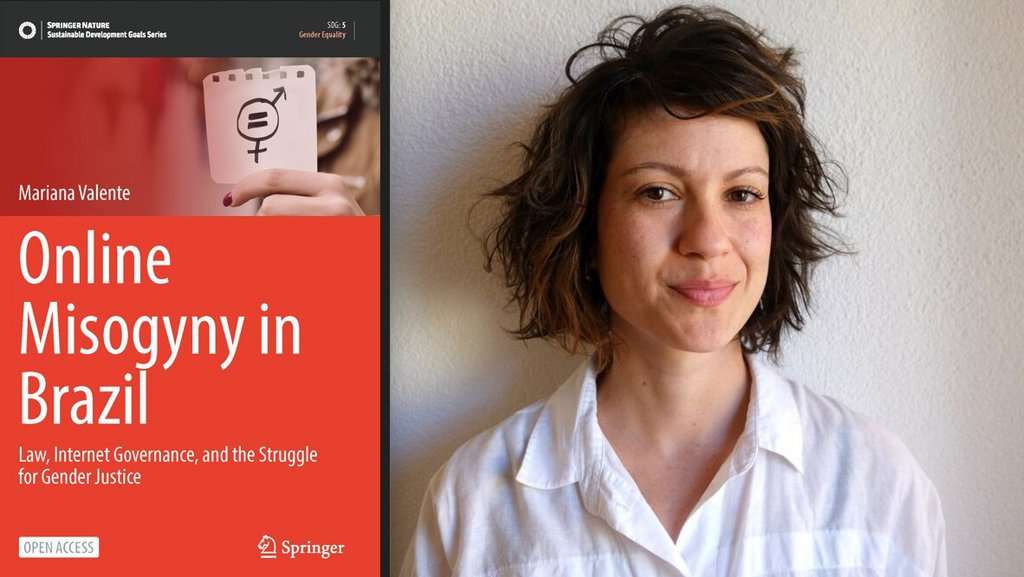
The book "Online Misogyny in Brazil: Law, Internet Governance, and the Struggle for Gender Justice" can be downloaded for free at Springer. On 5 February, Mariana Valente presents her findings in a webinar from the Centre for Protecting Women Online. Participation is free.
More articles from the same category
Discover our special topics