Research - 08.04.2026 - 08:00
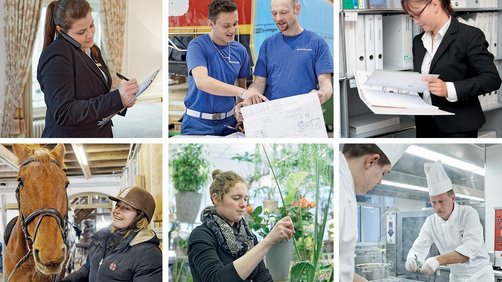
Switzerland is proud of its vocational education and training system, yet it faces major upheavals: solutions must be found to challenges such as the skills shortage, the digital and green transformation of the economy, and migration. The large-scale GOVPET (Governance in Vocational and Professional Education and Training) project, funded by SERI, has been examining the governance of collectively organised vocational education and training systems since 2015. Led by Prof. Dr Patrick Emmenegger from the School of Economics and Political Sciences at the University of St.Gallen (HSG) and Prof. Dr Giuliano Bonoli from the University of Lausanne, the project examines the key question of how the state, associations and companies can collaborate in the face of current challenges to ensure that the skilled workers trained are precisely those needed by the market.
Following the first two project phases, which have already been completed, GOVPET is launching its third five-year research phase this summer, examining the following key questions:
During the first two phases of GOVPET, which ran from 2015 to 2026, research was conducted, among other things, into how vocational training could be made more attractive for both trainees and training companies. “We were able to see, for example, that many people still regard general education as being of higher value than vocational education, even though the latter is perceived as better preparation for the labour market,” says Prof. Dr Patrick Emmenegger. “However, we were also able to demonstrate how the permeability of the education system – for instance through the vocational baccalaureate and universities of applied sciences – has increased the attractiveness of vocational education.” The findings from GOVPET are being incorporated into the policy-making process for shaping the future vocational education and training system not only in Switzerland but also in many other countries and international organisations such as the EU and the OECD. The third phase of GOVPET is being funded by SERI with a grant of CHF 2.4 million. This brings the total budget across all three project phases to CHF 7.5 million.
More articles from the same category
This could also be of interest to you
Discover our special topics